

Fully Automatic Reciprocating Car Wash Machine for Commercial Use
Upgrade your car wash business with a fully automatic reciprocating car wash machine designed for efficient, consistent, and convenient vehicle cleaning. This automatic car wash system combines controlled machine movement with an integrated washing process to help commercial operators deliver reliable service with less manual work.
Whether you run a car wash center, fuel station, auto dealership, or vehicle service facility, this machine offers a practical way to automate daily washing tasks. It can be configured with different cleaning functions to meet your site conditions, service needs, and business goals.
In addition, its reciprocating gantry design makes it a suitable choice for businesses that need an automatic car wash solution without a traditional long conveyor tunnel. With the right configuration, operators can offer a repeatable wash process, improve workflow, and make better use of available space.

Fully automatic reciprocating car wash machine
Looking for a commercial automatic car wash machine for your next project? Contact our team to discuss your vehicle size requirements, site layout, wash programs, and technical options.
What Is a Fully Automatic Reciprocating Car Wash Machine?
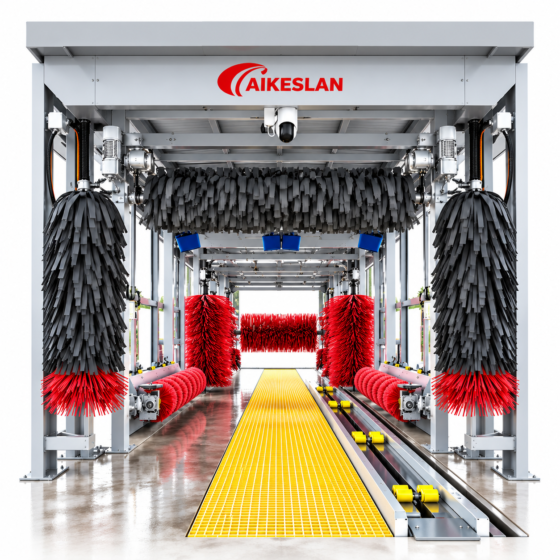
A fully automatic reciprocating car wash machine is a vehicle washing system that moves along a fixed track or gantry path to clean a parked vehicle. During the wash cycle, the machine follows a programmed sequence to apply water and cleaning agents, perform the selected cleaning steps, and rinse the vehicle.
Depending on the model, the system may also include rotating brushes, high-pressure spray, wax application, wheel cleaning, and automatic air drying.
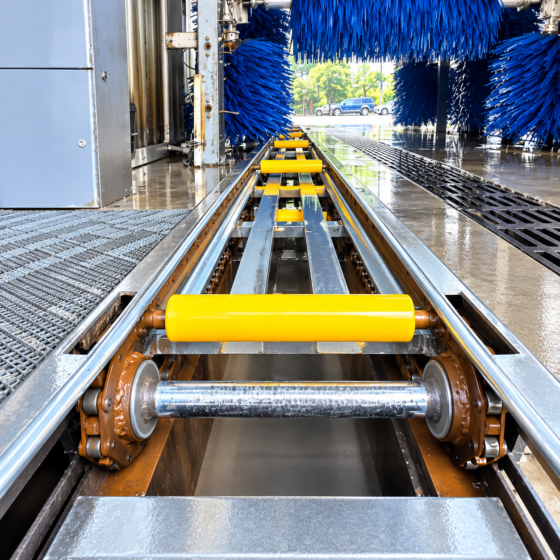
Unlike a conveyor car wash, where vehicles move through a series of washing stages, a reciprocating car wash system usually keeps the vehicle in a fixed washing bay while the machine moves around it. As a result, it can be a good fit for sites that want automated washing with a defined bay layout.
The exact cleaning method depends on the selected model. Brush-based systems use contact cleaning, while touchless systems rely on water pressure and cleaning chemicals without physical brush contact. These two configurations serve different needs, so buyers should select the system based on their target vehicles, cleaning expectations, and operating conditions.
Key Features of Our Automatic Reciprocating Car Wash System
1. Fully Automatic Washing Process
Automate routine vehicle cleaning with a programmed wash sequence. Once the vehicle is correctly positioned and the cycle is started, the machine can carry out its configured washing steps with limited manual intervention.
This helps reduce repetitive work and makes the service process easier to standardize. It also allows operators to focus more on customer service, site management, and other daily tasks.
2. Reciprocating Gantry Structure
The gantry structure moves along a defined path to cover the vehicle during the wash cycle. This layout supports a structured washing process and can suit commercial sites that need a dedicated automatic wash bay.
Furthermore, the required installation space can be assessed during project planning. This helps buyers check the available bay length, bay width, ceiling clearance, and equipment access before installation.
3. Flexible Washing Functions
Different businesses need different wash packages. Therefore, the machine can be configured, where supported by the selected model, with functions such as:
- Pre-wash and high-pressure rinsing
- Automatic detergent or foam application
- Top and side brush cleaning
- Wheel and lower-body cleaning
- Fresh-water rinsing
- Wax or paint-care application
- Automatic air drying
The available functions depend on the machine configuration. Buyers can select the options that match their service plans, local demand, and target operating costs.
4. Intelligent Control and Vehicle Detection
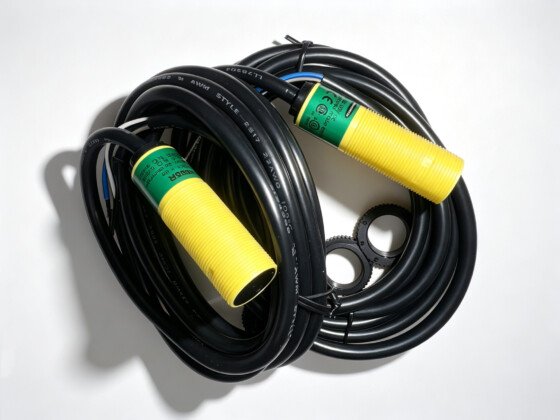
A programmable control system manages the wash sequence and helps coordinate the machine’s main functions. Depending on the model, the system may include a PLC controller, a touchscreen interface, vehicle detection sensors, and adjustable wash programs.
These features can support repeatable operation and help reduce errors caused by inconsistent manual procedures. However, the exact control functions and safety features should be confirmed against the final technical specification.
5. Designed for Commercial Daily Use
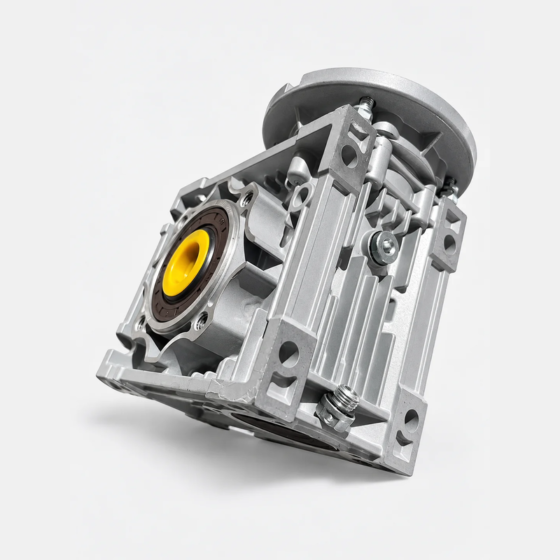
Commercial car wash equipment must support regular operation and straightforward maintenance. For this reason, buyers should assess the machine frame, drive components, water system, electrical controls, and access to service parts before purchase.
A suitable maintenance plan can also help operators keep the equipment in good working condition. Routine inspection, brush care where applicable, nozzle cleaning, and timely replacement of wear parts all contribute to stable operation.
6. Optional Water and Chemical Management
Water use and cleaning chemical costs affect the operating budget of a car wash business. Depending on the selected configuration, the system may support controlled chemical dosing or integration with a water treatment and recycling system.
These options can help operators manage resource use. Actual savings depend on the wash program, local water conditions, equipment settings, and the design of the site’s water treatment system.
How Does a Reciprocating Car Wash Machine Work?
The automatic washing process follows a programmed sequence. Although the exact steps vary by model, a typical workflow includes the following stages.
Step 1: Vehicle Positioning
The driver moves the vehicle into the marked wash bay. The vehicle must be positioned within the machine’s approved size limits and according to the operating instructions.
Step 2: Vehicle Detection and Program Selection
The operator or customer selects an available wash program. Where supported, vehicle detection sensors help the control system identify vehicle position and guide the wash sequence.
Step 3: Pre-Wash and Dirt Removal
The system applies water to loosen loose dirt and road residue. Some configurations also use cleaning agents or a dedicated pre-wash stage to prepare the vehicle surface for further cleaning.
Step 4: Main Washing
The machine moves along its programmed path. Depending on the configuration, it uses rotating brushes, high-pressure water, or a combination of cleaning methods to wash the vehicle’s exterior.
Step 5: Rinsing and Optional Waxing
The system rinses away remaining foam and cleaning agents. If the selected wash package includes wax or another approved surface-care product, the machine applies it during the relevant stage.
Step 6: Automatic Drying and Vehicle Exit
Where an air-drying system is installed, fans direct air across the vehicle surface to remove water. After the cycle ends and the system indicates that it is safe to leave, the driver exits the bay.
This structured process helps businesses deliver a more consistent service. Actual cycle time and cleaning results depend on the selected program, vehicle condition, water pressure, chemicals, and machine configuration.
Technical Advantages for Car Wash Operators
Consistent Cleaning Performance
A programmed wash process helps standardize the sequence of cleaning operations. As a result, operators can offer more consistent service across daily shifts, provided that the equipment is correctly configured and maintained.
Better Use of Staff Time
Automatic operation reduces the need for staff to perform every washing step manually. Therefore, team members can spend more time on customer support, site cleaning, vehicle preparation, and other business activities.
The actual labor savings depend on the operating model, staffing levels, and the amount of manual work required before and after each wash.
Flexible Wash Packages
Multiple wash programs can help operators serve customers with different needs. For example, a basic package may focus on exterior washing, while a higher-value package may include additional rinsing, wax, or drying functions.
This flexibility can help businesses develop service options that fit local customer demand. Available programs must be confirmed for the selected model.
Practical Space Planning
A reciprocating car wash machine operates within a defined bay. It may suit businesses that want an automatic wash service but do not need a full conveyor tunnel.

Fully automatic reciprocating car wash machine
Before ordering, check the machine dimensions, vehicle clearance, track layout, drainage, water supply, electrical connection, and maintenance access. Proper planning helps reduce installation changes and avoid delays.
Easier Maintenance Planning
A clear maintenance schedule helps operators plan inspections and replacement of wear parts. It can also make service needs easier to track over the equipment’s working life.
For B2B buyers, access to technical documentation, spare parts, installation guidance, and after-sales support should be part of the supplier evaluation.
Applications of Fully Automatic Reciprocating Car Wash Equipment
Commercial Car Wash Centers
Car wash centers need equipment that supports repeatable service and a clear customer workflow. A reciprocating car wash system can help automate exterior cleaning while giving operators the flexibility to offer different wash packages.
Fuel Stations and Service Stations
Fuel stations can add vehicle washing as an extra customer service. Depending on available space and local demand, an automatic wash bay may help the business make better use of its site and create an additional service revenue stream.
Auto Dealerships and Vehicle Preparation Centers
Dealerships need clean vehicles for display, delivery, and routine preparation. An automatic car wash machine can support regular exterior cleaning of inventory and customer vehicles, subject to the vehicle size limits and cleaning requirements of the selected system.
Fleet Operators and Rental Car Companies
Rental companies, corporate fleets, and vehicle service providers often need a repeatable cleaning process. An automatic washing system can help standardize routine exterior cleaning for eligible vehicles.
For larger or specialized fleets, confirm the vehicle dimensions, body shape, ground clearance, and any restrictions on roof-mounted equipment before choosing a model.
Parking Facilities and Mixed-Use Sites
Some parking facilities and commercial properties have space for an automatic wash bay. In these cases, project planning should consider customer access, traffic flow, drainage, utility capacity, noise requirements, and local operating rules.
The suitability of each site should be checked before equipment selection.
Technical Specifications
The following table outlines the main technical details that B2B buyers should review before ordering. Enter the confirmed values for your selected model before publishing this section.
| Specification | Details |
|---|---|
| Product name | Fully Automatic Reciprocating Car Wash Machine |
| Model number | [Insert model] |
| Machine type | Reciprocating / gantry automatic car wash |
| Washing method | [Brush / touchless / combination] |
| Compatible vehicle types | [Confirm supported vehicle types] |
| Maximum vehicle length | [Insert value in mm] |
| Maximum vehicle width | [Insert value in mm] |
| Maximum vehicle height | [Insert value in mm] |
| Machine dimensions | [Insert L × W × H in mm] |
| Required installation space | [Insert site dimensions] |
| Power supply | [Confirm voltage, phase, and frequency] |
| Total rated power | [Insert value in kW] |
| Water pressure | [Insert operating range] |
| Water consumption | [Insert verified value per wash] |
| Wash cycle time | [Insert verified range] |
| Control system | [PLC / HMI / other confirmed system] |
| Drying system | [Included / optional / not available] |
| Water recycling | [Included / optional / not available] |
| Payment system | [Available options] |
| Safety features | [List verified safety devices] |
| Certifications | [List applicable, verified certifications] |
| Warranty | [Insert confirmed terms] |
| Installation support | [Confirm available services] |
Note: Specifications vary by model and configuration. Please confirm the final dimensions, utility requirements, wash functions, and compliance documents with the supplier before placing an order.
Built for EU and North American B2B Projects
Choosing commercial car wash equipment involves more than comparing the purchase price. Buyers also need to assess site requirements, electrical compatibility, water management, safety, service access, and long-term operating costs.
Electrical and Site Compatibility
Electrical systems differ across countries and project sites. Before ordering, confirm the required voltage, phase, frequency, rated power, protective devices, and installation conditions with the equipment supplier and a qualified local installer.
Do not assume that one electrical configuration is suitable for every EU or North American site.
Safety and Local Compliance
The complete installation should be reviewed against the rules that apply in the destination market. Depending on the product and installation, relevant considerations may include machinery safety, electrical safety, emergency stopping, moving-part protection, drainage, wastewater handling, and local building requirements.
For EU projects, ask the supplier for the applicable conformity documentation and supporting technical information. For North American projects, confirm the requirements of the local authority having jurisdiction and any applicable electrical or equipment approval requirements.
Only state that a product is CE marked, UL listed, or otherwise certified when the specific equipment and relevant documentation support that claim.
Water Use and Wastewater Management
Water supply, drainage, and wastewater handling should be planned before installation. Where required or commercially useful, a suitable water treatment or recycling system may help manage water demand.
The appropriate solution depends on local rules, water quality, wash volume, and the site’s existing infrastructure.
Documentation and After-Sales Support
For international projects, request clear installation drawings, operating instructions, maintenance schedules, spare parts lists, and troubleshooting guidance. Also confirm training options, warranty coverage, technical support hours, and the process for obtaining replacement parts.
These details help distributors, installers, and end users plan the project with fewer uncertainties.
Why Choose Our Reciprocating Car Wash Machine?

Fully automatic reciprocating car wash machine
A commercial car wash machine should match the way your business operates. Instead of paying for features you do not need, you can review the available configurations and select the functions that fit your site, target vehicles, and service plans.
Our project-based approach can help you assess:
- Equipment configuration: Choose the washing method and available functions that suit your business.
- Site requirements: Review bay dimensions, vehicle clearance, utilities, drainage, and installation access.
- Commercial applications: Match the equipment to car wash centers, fuel stations, dealerships, or fleet facilities.
- Project documentation: Confirm the technical data and compliance documents needed for your destination market.
- Maintenance planning: Review spare parts, service procedures, warranty terms, and technical support options.
- Export requirements: Discuss packing, shipping arrangements, installation coordination, and project delivery needs.
The right configuration depends on your operating conditions. We recommend reviewing your project requirements with our team before confirming the final equipment model.
Request a Quote for Your Car Wash Project
Looking for a fully automatic reciprocating car wash machine for a new site or an existing facility? Tell us about your project, and our team can help you review the available options.
To prepare a more accurate quotation, please share the following details:
- Destination country: Where will the machine be installed?
- Business type: Car wash center, fuel station, dealership, fleet facility, or distributor.
- Vehicle requirements: Typical vehicle types and maximum vehicle dimensions.
- Site information: Available bay dimensions, ceiling height, water supply, drainage, and electrical supply.
- Preferred functions: Brush washing, touchless washing, waxing, drying, water recycling, or payment integration, where available.
- Order requirements: Estimated quantity, target delivery date, and any customization needs.
Contact us today to discuss your project, request a technical datasheet, and receive a quotation for a suitable automatic car wash solution.
Frequently Asked Questions
1. What is a fully automatic reciprocating car wash machine?
It is an automated vehicle washing system that moves along a fixed track or gantry path to clean a vehicle parked in a designated bay. Depending on the model, it may use rotating brushes, high-pressure water, cleaning chemicals, rinsing, and automatic drying.
2. What is the difference between a reciprocating car wash and a tunnel car wash?
A reciprocating car wash usually cleans a stationary vehicle while the machine moves around it. A tunnel car wash moves vehicles through a series of washing stations, often using a conveyor. A reciprocating system may suit sites that prefer a dedicated wash bay rather than a long conveyor layout.
3. Is a reciprocating car wash machine suitable for commercial use?
Yes, it can be suitable for commercial car wash centers, fuel stations, dealerships, and fleet facilities. However, the correct model depends on daily wash volume, vehicle dimensions, wash quality requirements, site conditions, and maintenance support.
4. Can the machine wash SUVs and larger vehicles?
Some models support SUVs, MPVs, and selected commercial vehicles. Always check the maximum permitted vehicle length, width, height, wheelbase where relevant, and body clearance before ordering.
5. Does the machine use brushes or touchless technology?
The washing method depends on the selected model. Brush-based systems use physical contact to clean the vehicle surface, while touchless systems use high-pressure water and cleaning chemicals. Confirm the cleaning method and available options in the technical datasheet.
6. How long does one wash cycle take?
The cycle time varies by model and wash program. Pre-wash, brushing, rinsing, waxing, and drying options can affect the total time. Ask the supplier for the verified cycle time of the exact configuration you plan to purchase.
7. How much water and electricity does the machine use?
Water and electricity consumption depend on the pump, drive system, wash program, drying equipment, and site conditions. Request verified consumption figures for the selected model and use them to estimate operating costs for your location.
8. Can the machine be installed in Europe or North America?
It may be suitable for projects in these markets, provided that the selected configuration meets the site’s electrical, safety, installation, and environmental requirements. Confirm applicable conformity documents, local approval needs, and utility compatibility before purchase.
9. Can the system be customized for my business?
Depending on the manufacturer and model, options may include wash programs, brush configuration, drying, chemical dosing, payment integration, language settings, and water recycling. Confirm the available options, costs, and delivery impact with the supplier.
10. What should I provide to get a quotation?
Provide your destination country, expected order quantity, vehicle dimensions, available installation space, electrical supply, preferred wash functions, and target delivery date. If possible, include a site plan or installation drawing so the supplier can review the project more accurately.
11. What maintenance does an automatic car wash machine require?
Routine maintenance may include inspecting moving parts, cleaning spray nozzles, checking water and chemical lines, inspecting sensors, and maintaining brushes and drying equipment where fitted. Follow the manufacturer’s maintenance schedule and use approved replacement parts.
12. What documents should I request before placing an order?

Fully automatic reciprocating car wash machine
Ask for the technical datasheet, installation drawings, electrical requirements, operating and maintenance manuals, spare parts list, warranty terms, and applicable conformity or certification documents. You should also confirm packing, shipping, installation support, and after-sales service arrangements.
Find the Right Automatic Car Wash Solution for Your Site
A well-matched automatic car wash system can help your business standardize routine cleaning and build a more efficient service workflow. The key is to select equipment that fits your vehicle requirements, available space, local rules, and operating budget.
Contact our team today to discuss your fully automatic reciprocating car wash machine requirements and request a project-specific quotation.