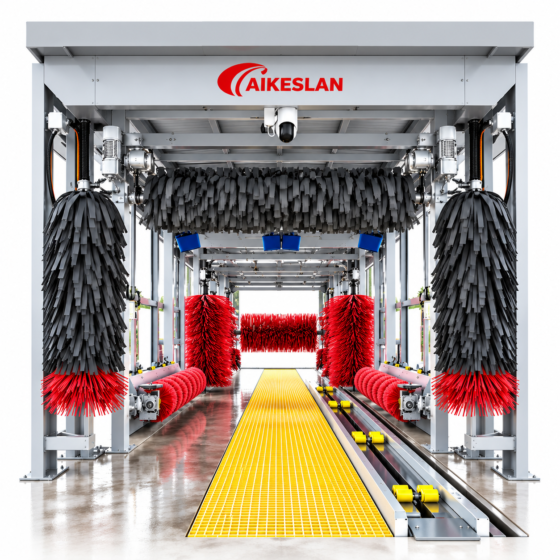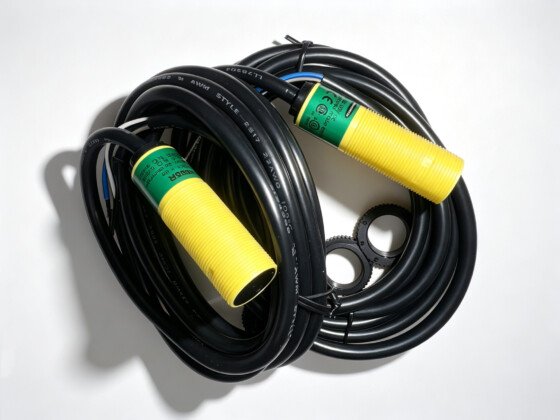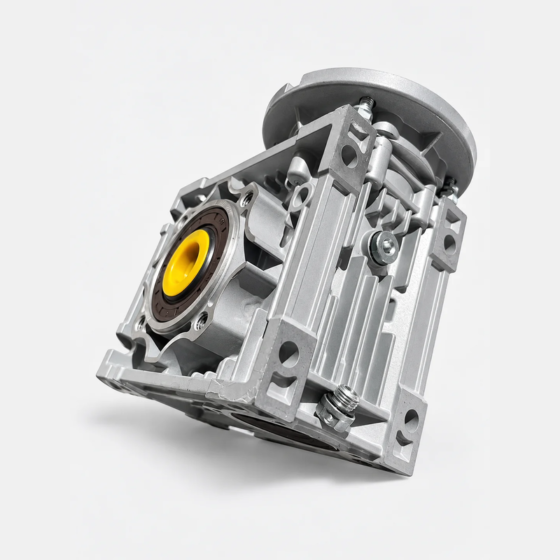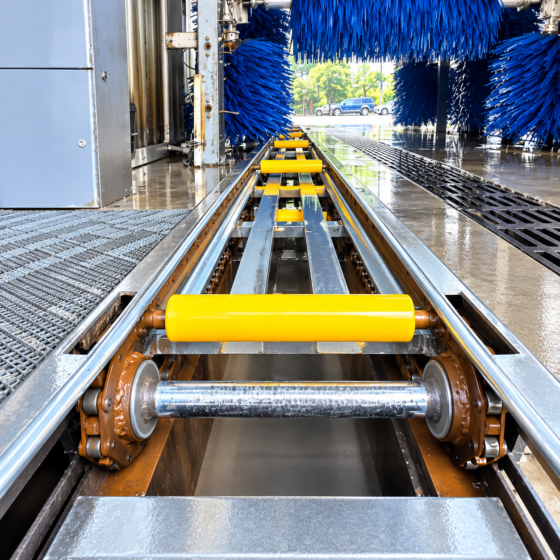
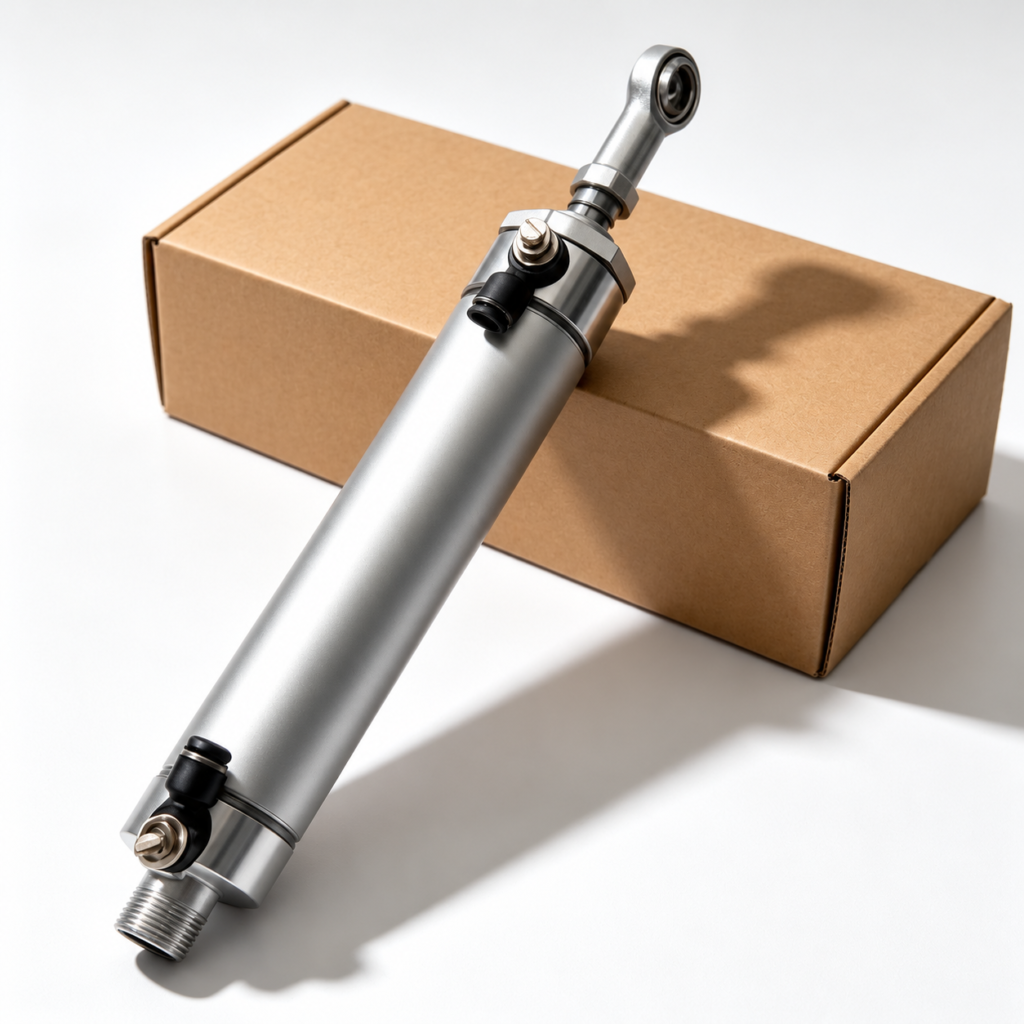


Pneumatic Cylinder for Automatic Car Wash Machine – Reliable Air Cylinder for Automated Car Wash Systems
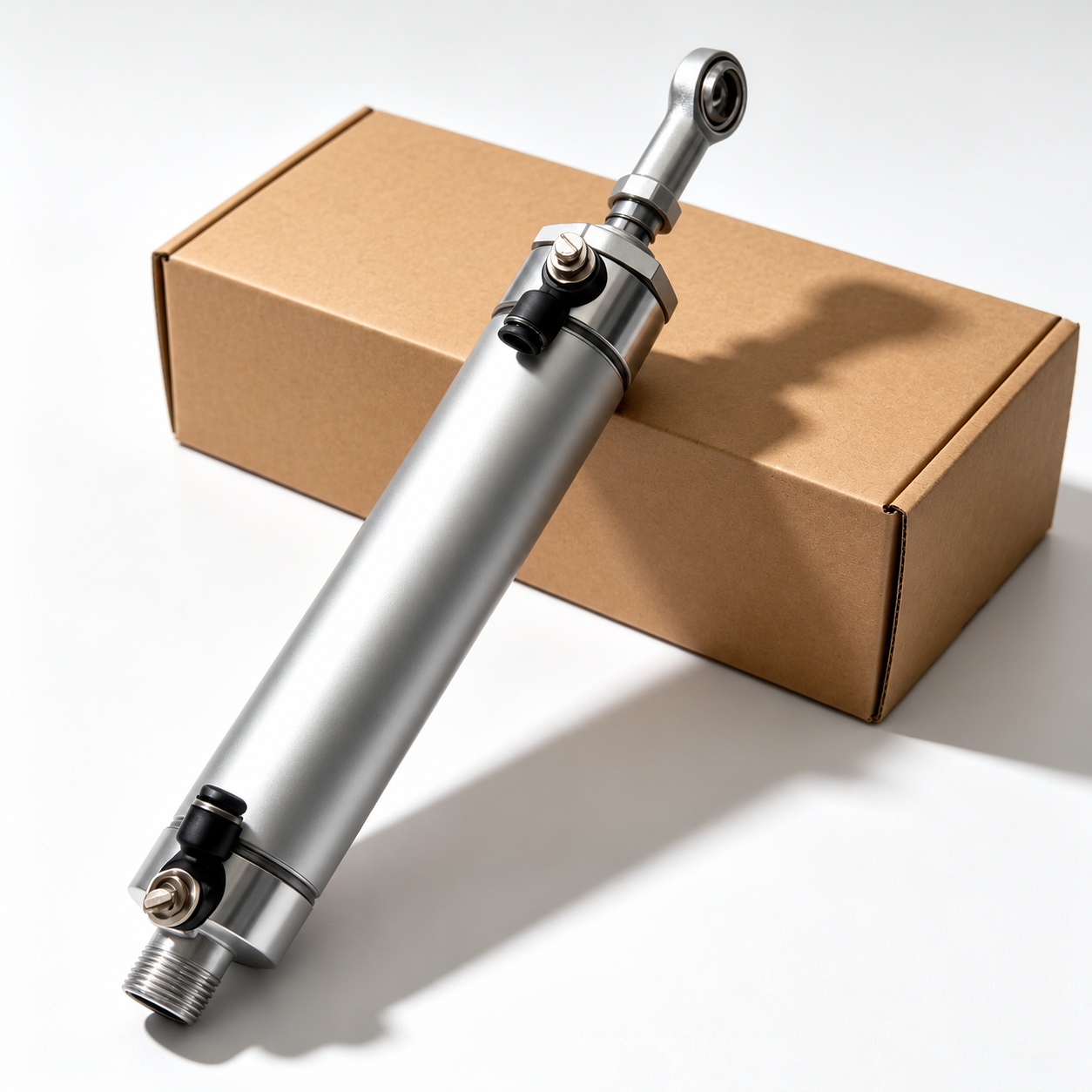
Pneumatic cylinder for automatic car wash machine
Durable Pneumatic Actuator Solutions for Car Wash Equipment, OEM Projects, and Replacement, Applications of Pneumatic Cylinders for Car Wash Machines
A pneumatic cylinder for automatic car wash machine is an important component in many automated vehicle washing systems. It uses compressed air to create controlled linear movement. This movement helps operate brushes, guide mechanisms, lifting devices, and other moving parts within the machine.
Reliable pneumatic motion is essential for smooth car wash operation. Therefore, choosing the right cylinder helps support stable equipment movement, accurate positioning, and efficient daily operation.
Our pneumatic cylinder solutions are intended for use in automatic car wash equipment, including tunnel car wash systems, rollover car wash machines, and other automated washing ,Applications of Pneumatic Cylinders for Car Wash Machines
Whether you need an air cylinder for a new equipment project or a replacement for an existing washing system, selecting the correct specification is essential.
Different machines require different cylinder designs. As a result, bore size, stroke length, working pressure, mounting type, and environmental conditions must be carefully reviewed.
We welcome pneumatic cylinder inquiries from car wash equipment manufacturers, international distributors, maintenance companies, and commercial car wash operators.
Key Product Highlights
- Suitable for pneumatic motion control in automatic car wash equipment
- Linear movement for lifting, pushing, pulling, and positioning mechanisms
- Cylinder selection based on bore size, stroke, force, and air pressure
- Single-acting and double-acting configurations, where available
- Support for various mounting and piston rod arrangements
- Material and seal options selected for operating conditions
- Replacement matching for existing car wash pneumatic systems
- OEM specification and bulk order inquiries
- Technical support for product selection and system compatibility
Looking for a reliable car wash pneumatic cylinder?
Contact our team with your cylinder specifications, machine model, or existing component details to discuss suitable product options.
Request a Quote | Contact Us | Send Your Specifications
What Is a Pneumatic Cylinder for an Automatic Car Wash Machine?
A pneumatic cylinder is a mechanical actuator that converts compressed air energy into straight-line movement.
Inside the cylinder, compressed air acts on a piston. This creates force and moves the piston rod. The rod then pushes, pulls, lifts, or positions a connected mechanical component.
In an automatic car wash machine, this movement can help control equipment parts that need to move between two positions.
For example, a pneumatic cylinder may extend or retract a mechanism, operate a brush support assembly, or control a suitable movable component.
The exact function depends on the machine design.
Unlike an electric motor, which commonly provides rotary motion, a pneumatic cylinder provides linear motion.
Because of this, pneumatic cylinders are useful for automated mechanisms that require short, repeated movements.
How Does an Automatic Car Wash Pneumatic Cylinder Work?
A typical pneumatic cylinder works through a simple process.
First, compressed air enters the cylinder through an air port. Next, the air pressure acts on the piston and creates force. The piston then moves inside the cylinder barrel.
As the piston moves, the rod extends or retracts.
In a double-acting cylinder, compressed air can be directed to either side of the piston. This allows powered movement in both directions.
In a single-acting cylinder, compressed air drives the piston in one direction, while a spring or another external force provides the return movement.
The movement is commonly controlled by valves, air preparation units, and the equipment control system.
Therefore, the cylinder works as part of a complete pneumatic system rather than as an independent device.
Key Features of Automatic Car Wash Pneumatic Cylinders
1. Reliable Linear Motion Control
Automatic car wash machines often use moving components that must operate at the right time.
Pneumatic cylinders can provide controlled extension and retraction for suitable mechanisms.
For example, a cylinder may move a guide arm or position a brush support structure within its designed range.
When the cylinder is correctly sized and installed, it helps deliver the required movement.
However, the final motion accuracy depends on the full pneumatic system, including valves, sensors, mechanical guides, and air supply stability.
2. Fast Response for Repeated Operations
Compressed-air systems can provide quick actuator movement.
As a result, pneumatic cylinders are commonly used in automated equipment that needs repeated extension and retraction.
In car wash equipment, this may help support mechanisms that operate during different stages of the cleaning cycle.
However, cylinder speed depends on air pressure, flow rate, valve capacity, tubing size, load, and exhaust control.
Therefore, selecting the correct cylinder and pneumatic circuit is important for reliable response.
3. Compact and Practical Design
Many pneumatic cylinders offer a compact way to create linear motion.
This can be useful when the installation area inside a car wash machine is limited.
For example, compact cylinders may fit in spaces where larger mechanical drives are difficult to install.
Meanwhile, standard-profile cylinders may provide more mounting and accessory options.
The correct design depends on the available space and required mechanical force.
4. Suitable Material Options for Wet Environments
Car wash equipment operates in an environment where water spray, moisture, and cleaning chemicals may be present.
Therefore, cylinder materials and seals must match the expected exposure.
Depending on the selected model, pneumatic cylinders may use anodized aluminum bodies, stainless steel components, or other suitable materials.
However, corrosion resistance varies by material, surface treatment, and seal design.
For this reason, buyers should confirm material compatibility with the actual cleaning chemicals and operating conditions.
5. Flexible Mounting Options
Automatic car wash machines use different mechanical layouts.
Some applications require fixed cylinder mounting, while others need a pivoting arrangement.
Common mounting options may include foot mounts, flanges, clevis mounts, and other suitable brackets.
In addition, the piston rod end may require a specific thread, joint, or connector.
Therefore, mounting selection should be part of the cylinder specification review.
6. Easy Integration With Pneumatic Control Systems
Pneumatic cylinders can be integrated with suitable valves, air preparation units, sensors, and flow controls.
For example, a double-acting cylinder may operate through a directional control valve.
Flow control valves can help adjust actuator movement speed.
Position sensors may also be used when the cylinder design supports them.
As a result, pneumatic cylinders can be useful in automated car wash control systems.
7. Practical Replacement and Maintenance
Pneumatic cylinders are replaceable components in many industrial machines.
However, replacement compatibility depends on more than the cylinder bore.
Buyers must also check the stroke, mounting dimensions, port connections, piston rod design, operating pressure, and load requirements.
Matching these details can help reduce installation problems and unnecessary equipment downtime.
Main Types of Pneumatic Cylinders Used in Car Wash Equipment
Different pneumatic cylinder designs suit different movement requirements.
Therefore, selecting the right type starts with understanding the mechanical application.
Double-Acting Pneumatic Cylinder
A double-acting pneumatic cylinder uses compressed air to drive the piston in both directions.
This design provides powered extension and retraction.
It is commonly used in industrial automation where controlled movement is needed in both directions.
Possible applications in suitable car wash machine designs include brush support movement, guide mechanisms, positioning assemblies, and other controlled moving parts.
The cylinder’s force and speed depend on bore size, operating pressure, rod dimensions, and the pneumatic circuit.
Single-Acting Pneumatic Cylinder
A single-acting pneumatic cylinder uses compressed air for movement in one direction.
A spring or another return force moves the piston back.
This design may suit simpler mechanisms with limited stroke and force requirements.
However, the return force and available stroke must match the application.
It should not be used as a direct replacement for a double-acting cylinder without checking the mechanical and control design.
Compact Pneumatic Cylinder
Compact pneumatic cylinders are designed to provide linear movement in a shorter body.
They can be useful where installation space is limited.
For example, a compact cylinder may operate a small positioning mechanism inside an automatic car wash assembly.
However, compact construction does not mean that every model can handle high side loads or demanding movement conditions.
Therefore, the cylinder must be selected according to the actual force and installation requirements.
Standard-Profile Pneumatic Cylinder
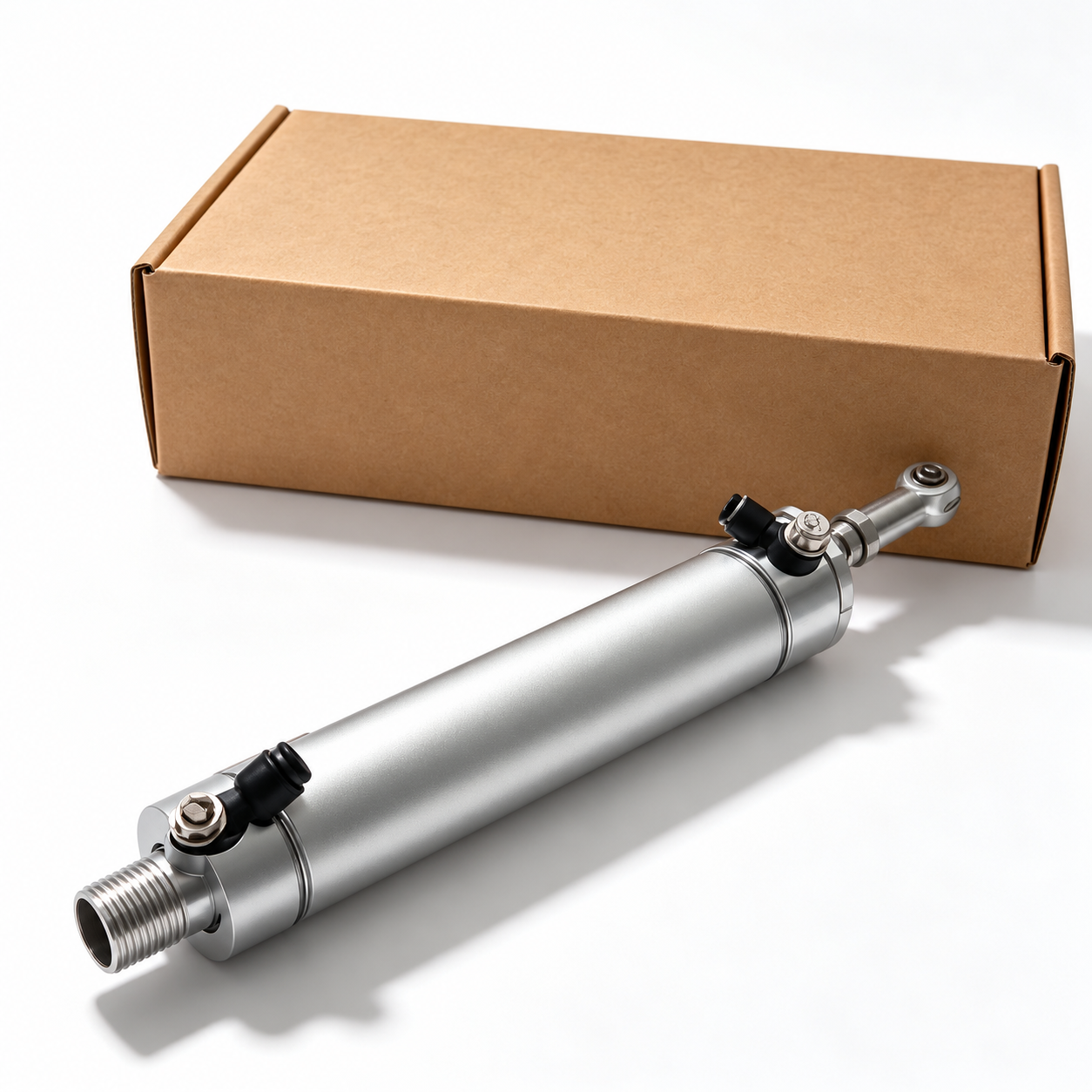
Pneumatic cylinder for automatic car wash machine
Standard-profile cylinders are widely used in industrial pneumatic systems.
Some models follow established dimensional standards that help simplify mounting and replacement.
These cylinders may offer different bore sizes, stroke lengths, mounting accessories, and sensor options.
For buyers, standard dimensions can make equipment design and maintenance easier.
However, cylinders from different brands should still be checked for complete compatibility.
Stainless Steel Pneumatic Cylinder
Stainless steel pneumatic cylinders may be suitable for applications where corrosion resistance is important.
They can be considered for equipment exposed to moisture or demanding cleaning environments.
However, stainless steel grades and seal materials vary.
Therefore, the selected model must be checked against the expected water, detergent, chemical, and temperature exposure.
Pneumatic Cylinder for Automatic Car Wash Machine Specifications
The correct pneumatic cylinder depends on its application within the automatic car wash machine.
The following table shows the main technical parameters buyers should review before ordering.
| Specification | Description |
|---|---|
| Product Name | Pneumatic Cylinder for Automatic Car Wash Machine |
| Product Category | Industrial Pneumatic Actuator |
| Operating Medium | Compressed Air |
| Cylinder Type | Single-Acting / Double-Acting, where available |
| Bore Diameter | Based on required force and selected model |
| Stroke Length | According to equipment movement requirements |
| Operating Pressure | According to cylinder model and system design |
| Maximum Pressure | Must follow the selected product rating |
| Piston Rod Material | According to model specification |
| Cylinder Body Material | According to selected material configuration |
| Seal Material | Selected according to environment and compatibility |
| Mounting Type | Model-dependent mounting options |
| Air Port Size | Based on cylinder dimensions and connection standard |
| Cushioning | According to selected cylinder design |
| Position Sensing | Available where supported by cylinder design |
| Operating Temperature | Based on product and seal ratings |
| Corrosion Protection | According to material and surface treatment |
| Application | Automatic Car Wash Equipment |
| Replacement Support | Specification and dimensional matching |
| OEM Requirements | Subject to technical review |
Note: Final bore size, stroke, pressure rating, materials, dimensions, and available options must be confirmed from the actual product datasheet.
Bore Size Selection
The bore size is the internal diameter of the pneumatic cylinder.
It affects the piston area and the theoretical force available at a given air pressure.
A larger bore generally provides greater force at the same pressure.
However, a larger cylinder may also use more compressed air.
Therefore, buyers should select the bore based on the load rather than choosing the largest available size.
Stroke Length Selection
Stroke length is the distance the piston travels between its end positions.
In a car wash machine, the required stroke depends on the movement of the connected mechanism.
For example, a positioning arm that moves a short distance may need a different stroke from a larger opening mechanism.
The stroke must provide enough travel without causing the connected parts to exceed safe mechanical limits.
Working Pressure Selection
Working pressure affects the force produced by a pneumatic cylinder.
However, higher pressure is not always the best solution.
The air supply must remain within the cylinder’s rated pressure range.
In addition, the system must provide enough pressure during operation to overcome the load and friction.
For this reason, the pressure available at the cylinder should be considered, not only the compressor’s nominal pressure.
Mounting and Connection Requirements
Mounting dimensions are important for both OEM and replacement applications.
Buyers should check overall length, mounting hole positions, rod thread, cylinder orientation, and air port connections.
Incorrect mounting can cause misalignment and unwanted side loads.
Therefore, dimensional drawings should be reviewed before installation.
How to Select the Right Pneumatic Cylinder for a Car Wash Machine
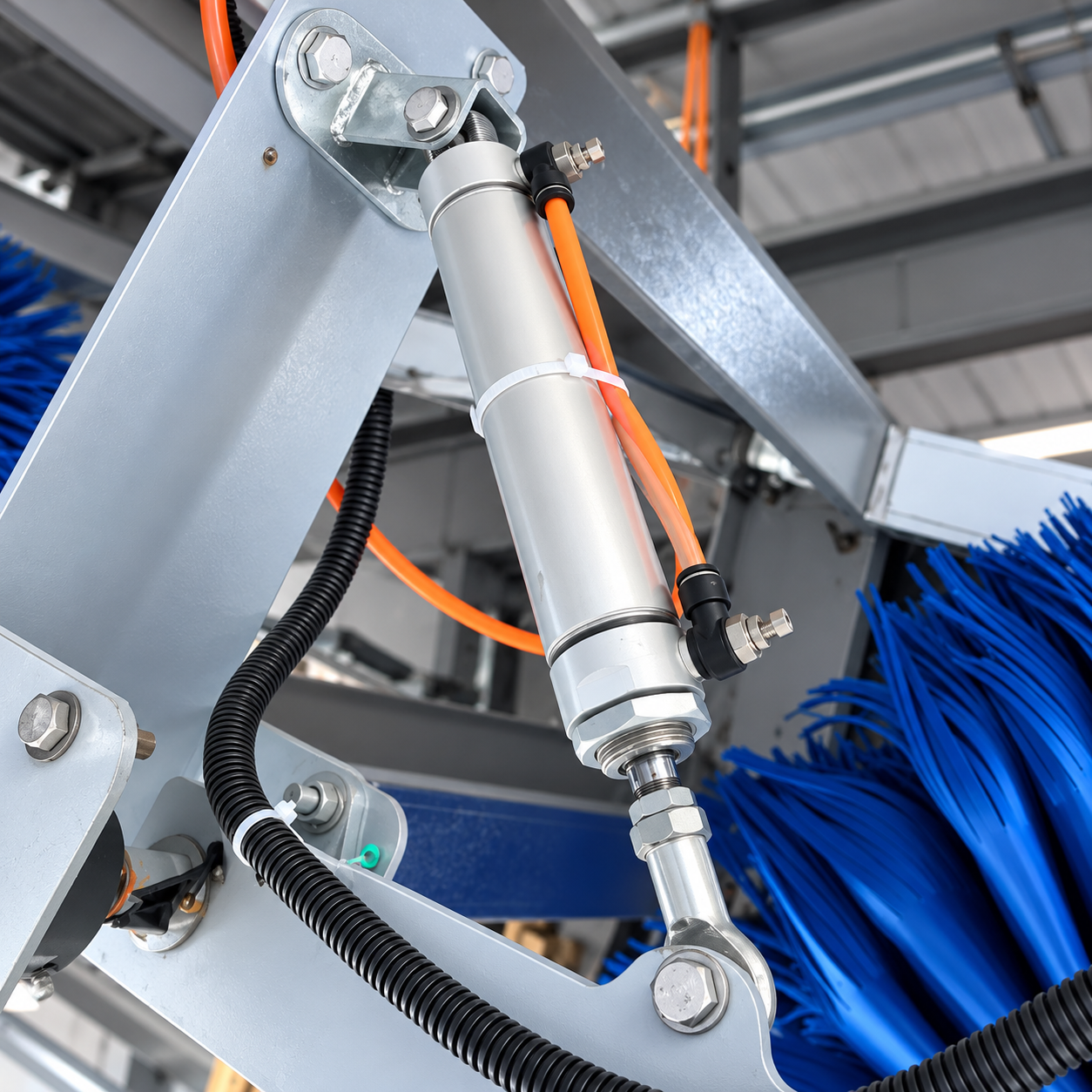
Pneumatic cylinder for automatic car wash machine
Choosing a pneumatic cylinder involves several technical steps.
Step 1: Identify the Application
First, confirm which machine component the cylinder will move.
Is it a brush support, a positioning arm, a guide mechanism, or another moving assembly?
The application determines the required movement and force.
Step 2: Calculate the Required Force
Next, identify the load that the cylinder must move.
The required force may depend on component weight, friction, movement direction, and external forces.
For example, lifting a load vertically requires different calculations from moving a guided part horizontally.
The cylinder must deliver enough force under real operating conditions.
Step 3: Determine Bore and Stroke
After calculating force, select a suitable bore diameter.
Then, choose the stroke length based on the travel distance.
Both dimensions must match the machine design.
Step 4: Confirm Air Pressure and Flow
Check the air pressure available at the actuator during operation.
Also, confirm that the valves and tubing can supply enough airflow for the required speed.
A cylinder may have enough theoretical force but still move too slowly if the air supply is restricted.
Step 5: Select the Mounting Type
Choose a mounting method that matches the mechanism.
The piston rod should be aligned with the intended direction of force.
If the moving component creates side loads, suitable external guides or mechanical supports may be required.
Step 6: Review the Operating Environment
Consider moisture, water spray, cleaning chemicals, temperature, and possible dirt exposure.
Choose materials and seals according to the actual working conditions.
Step 7: Confirm Compatibility
Finally, review the complete specification, including bore, stroke, mounting dimensions, ports, cushioning, and sensor requirements.
For replacement cylinders, compare the new model with the original product drawing.
Applications of Pneumatic Cylinders in Automatic Car Wash Machines
Pneumatic cylinders can support different movement functions in automatic car wash equipment.
However, not every car wash system uses pneumatic cylinders for the same operations.
Their applications depend on the mechanical design and control method.
Tunnel Automatic Car Wash Systems
Tunnel car wash systems use a sequence of cleaning, rinsing, and drying stages.
Some tunnel designs include pneumatic mechanisms for brush movement, guide devices, and other controlled assemblies.
A pneumatic cylinder may extend or retract a movable component at a specific point in the washing process.
Therefore, cylinder selection must match the timing, force, and movement requirements of the complete system.
Rollover Automatic Car Wash Machines
A rollover car wash machine moves a gantry around a stationary vehicle.
Depending on the equipment design, pneumatic cylinders may be used for auxiliary positioning or other controlled movements.
In these systems, cylinder operation must be coordinated with the machine’s control system.
Proper sizing and mounting help support smooth mechanical movement.
Brush Positioning Mechanisms
Some automatic car wash machines use pneumatic actuators to move or position cleaning brush assemblies.
For example, an air cylinder may control a guided brush arm within a defined movement range.
However, brush contact force and movement must be controlled according to the equipment design.
The cylinder must not be treated as a substitute for a suitable mechanical guidance or safety system.
Wheel and Tire Cleaning Equipment
Certain wheel cleaning systems use movable cleaning components.
Where pneumatic actuation is part of the design, a cylinder may extend or retract a brush or positioning mechanism.
Because these parts may operate close to vehicle wheels, accurate movement limits and correct equipment control are important.
Touchless Car Wash Systems
Touchless systems use water pressure and cleaning chemicals instead of brushes that contact the vehicle body.
Some designs may use pneumatic cylinders to operate auxiliary mechanisms, positioning devices, or protective structures.
However, many touchless machines rely mainly on electric, hydraulic, or other actuation methods.
Therefore, cylinder suitability must be confirmed for the specific equipment model.
Truck and Bus Wash Equipment
Commercial vehicle washing machines may include larger moving structures.
Where a pneumatic cylinder is used, the required force and travel distance must be calculated according to the mechanism.
In addition, the cylinder and mounting components must be suitable for the working loads.
Why Choose Pneumatic Cylinders for Automatic Car Wash Equipment?
Simple and Effective Linear Motion
Pneumatic cylinders offer a practical way to create repeated linear movement.
They can extend and retract without needing a separate rotary-to-linear transmission.
As a result, they may simplify some automated mechanism designs.
Easy Integration With Air Control Systems
Many industrial machines use compressed air to operate actuators.
A pneumatic cylinder can be connected to suitable valves, regulators, tubing, and sensors.
This allows its movement to be coordinated with the rest of the machine.
Flexible Installation
Different cylinder types and mounting options support a wide range of equipment layouts.
Therefore, engineers can select a configuration that suits the available installation space.
Practical Component Replacement
Many pneumatic cylinders can be replaced as individual assemblies.
This can simplify certain maintenance tasks compared with rebuilding a damaged actuator.
However, the replacement must match the original system requirements.
Suitable for Repeated Operating Cycles
Properly selected pneumatic cylinders can handle repeated movements within their rated operating conditions.
This makes them useful for many automated industrial applications.
However, service life depends on loads, stroke speed, air quality, alignment, sealing, and maintenance.
Pneumatic Cylinder vs. Electric Actuator for Car Wash Equipment
Both pneumatic cylinders and electric actuators can provide controlled linear movement.
However, each system has different advantages.
| Feature | Pneumatic Cylinder | Electric Linear Actuator |
|---|---|---|
| Energy Source | Compressed Air | Electricity |
| Movement | Linear | Linear |
| Control | Valves and Pneumatic Controls | Motor and Electronic Controls |
| Positioning | Often Suited to End-to-End Movement | May Support Precise Intermediate Positions |
| Installation | Requires Compressed Air Supply | Requires Suitable Electrical Supply |
| Speed Control | Based on Airflow and Circuit Design | Based on Motor and Drive Control |
| Maintenance | Seals, Air Quality, Fittings | Motor, Drive, Mechanical Parts |
| Best Use | Application-dependent | Application-dependent |
A pneumatic cylinder may be suitable when the machine already has an air supply and requires simple repeated motion.
Meanwhile, an electric actuator may be preferred when accurate intermediate positioning is important.
However, the final choice should depend on the equipment’s performance, energy, maintenance, and control requirements.
Pneumatic Cylinder Materials and Corrosion Resistance
Automatic car wash equipment operates in demanding environments.
For this reason, cylinder material selection should be based on more than appearance.
Aluminum Cylinder Bodies
Aluminum is widely used in industrial pneumatic cylinders because it is lightweight and practical for many applications.
Some aluminum cylinder bodies use anodized surfaces to improve surface protection.
However, resistance to corrosion depends on the actual material and treatment.
Stainless Steel Components
Stainless steel may be used for piston rods, fasteners, or complete cylinder structures.
This can be useful where moisture exposure is a concern.
However, different stainless steel grades have different corrosion resistance.
For this reason, buyers should check the material specification and the chemicals used at the installation site.
Seal Material Selection
Cylinder seals are essential for controlling internal air leakage.
Common industrial seal materials include polyurethane, NBR, and other elastomers, depending on the product design.
The correct material depends on temperature, operating medium, lubricant, and chemical exposure.
Using unsuitable seals may lead to swelling, wear, leakage, or early failure.
Protecting the Cylinder From Water and Chemicals
Even when the cylinder has suitable materials, proper installation remains important.
Where possible, avoid unnecessary direct exposure to high-pressure cleaning jets.
In addition, protect air fittings, sensor connections, and other vulnerable components.
This can help reduce avoidable maintenance problems.
How to Improve Pneumatic Cylinder Performance
Use Clean Compressed Air
Compressed air quality affects pneumatic equipment.
Water, oil contamination, and particles can cause wear or valve problems.
Therefore, the air supply should meet the needs of the selected pneumatic components.
Suitable filters, dryers, and air preparation equipment may be required.
Maintain Proper Operating Pressure
Low pressure may reduce cylinder force.
Meanwhile, excessive pressure can damage components or exceed the system’s rated limits.
Use a suitable regulator and confirm the working pressure during operation.
Prevent Side Loading
Pneumatic cylinder rods are mainly designed to transmit axial force.
Excessive side loads can increase wear and damage seals or bearings.
Therefore, use appropriate mounting and mechanical guides where needed.
Control Cylinder Speed
Cylinder speed should suit the mechanism.
Excessive speed may create impact forces near the end of travel.
Flow controls and cushioning devices can help manage movement when correctly selected.
Inspect Seals and Connections
Air leaks reduce system efficiency and may affect movement.
Inspect connections, tubing, and cylinder seals according to the maintenance plan.
If a leak occurs, identify the cause and repair or replace the affected component.
Pneumatic Cylinder Replacement for Automatic Car Wash Machines
Replacing a damaged car wash pneumatic cylinder requires careful specification matching.
A cylinder that looks similar may still have different operating limits or mounting dimensions.
Therefore, buyers should avoid selecting replacement parts by appearance alone.
What to Check Before Ordering
Check the following details:
- Original cylinder brand and model number
- Bore diameter and stroke length
- Cylinder type
- Working pressure range
- Overall dimensions
- Mounting configuration
- Piston rod thread and dimensions
- Pneumatic port size
- Cushioning requirements
- Sensor compatibility
- Operating environment
If the model number is not available, clear photos and dimensional drawings can help with the selection process.
Common Signs of Cylinder Problems
A pneumatic cylinder may need inspection if the machine shows:
- Slow or uneven actuator movement
- Air leakage around fittings or seals
- Failure to extend or retract
- Unusual impact during movement
- Damaged piston rod surfaces
- Loss of movement force
- Unstable positioning
- Repeated valve or air supply faults
However, not all these problems are caused by the cylinder itself.
Some may result from valves, tubing, low air pressure, or mechanical misalignment.
Therefore, troubleshooting should cover the complete pneumatic system.
OEM Pneumatic Cylinder Solutions for Car Wash Equipment Manufacturers

Pneumatic cylinder for automatic car wash machine
Automatic car wash equipment manufacturers often need pneumatic components that match their machine designs.
For OEM projects, cylinder selection should consider mechanical dimensions, required force, operating pressure, and the control system.
Our team welcomes technical inquiries for pneumatic cylinders used in new equipment and existing product designs.
OEM Project Requirements
Please provide the following information when requesting a cylinder for an OEM project:
- Automatic car wash machine type
- Cylinder application
- Required bore diameter
- Required stroke length
- Working pressure
- Mounting arrangement
- Piston rod dimensions
- Material requirements
- Quantity and expected order volume
- Destination country or market
Based on these details, suitable product configurations can be reviewed.
Replacement and Equipment Upgrade Projects
Maintenance companies and equipment distributors may need cylinders for older automatic car wash machines.
In this case, matching the original cylinder is important.
We recommend providing the original component model, photos, and dimensions.
For equipment upgrades, the complete mechanical and pneumatic system should also be reviewed.
European and North American B2B Market Considerations
International buyers must confirm that pneumatic cylinders meet the requirements of their destination markets and equipment designs.
Pneumatic Cylinders for European Equipment
European OEM projects may use ISO-based cylinder dimensions.
For example, ISO 15552 defines basic and mounting dimensions for certain pneumatic cylinders with detachable mountings.
However, compliance with a dimensional standard does not mean that every cylinder is interchangeable in all respects.
Buyers must still verify the selected product’s dimensions, pressure rating, performance, and accessories.
In addition, applicable EU regulatory and documentation requirements must be reviewed for the actual product and its intended use.
Pneumatic Cylinders for North American Equipment
North American equipment may use inch-based dimensions, different pneumatic port standards, and application-specific mounting arrangements.
For this reason, buyers should check both dimensional and connection compatibility.
A metric cylinder should not be assumed to replace an inch-based model without checking the installation.
International Equipment Integration
For export projects, the cylinder must match the machine design and the destination market’s operating requirements.
Therefore, it is helpful to confirm the installation country during the quotation process.
FAQs About Pneumatic Cylinders for Automatic Car Wash Machines
1. What is a pneumatic cylinder used for in an automatic car wash machine?
A pneumatic cylinder creates linear movement using compressed air. In an automatic car wash machine, it may control brush arms, positioning mechanisms, guide devices, or other moving components, depending on the equipment design.
2. How does a car wash pneumatic cylinder work?
Compressed air enters the cylinder and pushes a piston. The piston moves a rod that extends or retracts. Valves control the airflow and movement direction.
3. What is the difference between single-acting and double-acting pneumatic cylinders?
A single-acting cylinder uses compressed air for one direction and a spring or external force for the return. A double-acting cylinder uses compressed air to move in both directions.
4. How do I choose the right cylinder bore size?
Choose the bore size based on required force, available air pressure, and operating conditions. Larger bores generally produce more force at the same pressure. However, load, friction, and safety factors must also be considered.
5. What stroke length do I need for my car wash machine?
The correct stroke length depends on how far the connected mechanism must move. Measure the required travel distance and confirm the available installation space before ordering.
6. Can pneumatic cylinders operate in wet environments?
Some pneumatic cylinders are suitable for wet environments when they use appropriate materials and protection. However, resistance to water and chemicals varies by model. Always verify the product specifications.
7. Can I replace an old pneumatic cylinder with another brand?
Yes, a different brand may be suitable if the cylinder meets the required dimensions and operating specifications. Check bore, stroke, mounting, ports, pressure, and rod connections before ordering.
8. What causes a pneumatic cylinder to move slowly?
Slow movement may result from low pressure, restricted airflow, incorrect flow control settings, air leakage, excessive load, or mechanical friction. Inspect the complete pneumatic system to identify the cause.
9. How long does a pneumatic cylinder last?
Service life depends on the cylinder design, cycle frequency, operating pressure, air quality, load, and maintenance. Proper sizing and installation help support reliable operation.
10. Are pneumatic cylinders suitable for tunnel car wash systems?
Yes, pneumatic cylinders can be used for suitable moving mechanisms in tunnel car wash systems. However, their exact applications depend on the equipment design.
11. What materials are used in industrial pneumatic cylinders?
Common materials include aluminum, steel, stainless steel, and various sealing materials. The final material combination depends on the cylinder model and operating environment.
12. Do pneumatic cylinders require regular maintenance?
Yes. Regular inspection can help identify air leaks, rod damage, seal wear, and mounting problems. Maintenance requirements depend on the cylinder design and working conditions.
13. Can pneumatic cylinders work with automatic control systems?
Yes. Pneumatic cylinders can be operated using suitable solenoid valves, flow controls, and position sensors. These components allow the machine controller to coordinate actuator movement.
14. Can I request a custom pneumatic cylinder for OEM equipment?
OEM inquiries can be reviewed based on technical specifications and project requirements. Available cylinder configurations and customization options must be confirmed for the selected product range.
15. How can I request a quotation for a car wash pneumatic cylinder?
Send us the cylinder type, bore size, stroke, pressure requirements, mounting details, order quantity, and delivery destination. Photos or drawings of the existing cylinder are also helpful.
Packing & Delivery
Secure Packaging for Pneumatic Cylinders
Pneumatic cylinders contain precision mechanical parts that should be protected during shipping.
Suitable packaging helps reduce the risk of impact damage, contamination, and scratches during handling and transportation.
Packaging options may include:
- Protective cartons for individual cylinders
- Inner cushioning for piston rods and cylinder bodies
- Strong outer cartons for multiple units
- Pallets for bulk shipments
- Wooden cases when additional protection is required
- OEM packaging arrangements, subject to confirmation
Packaging methods are selected according to product size, quantity, and shipping requirements.
International Shipping Options
Shipping options may include sea freight, air freight, and express delivery.
Sea freight is often suitable for large orders.
Meanwhile, air freight and express delivery may be considered for urgent replacement parts or smaller shipments.
The final shipping method depends on order size, destination, and carrier availability.
Order Processing and Delivery Time
Delivery time depends on the selected cylinder model, quantity, stock availability, and any special requirements.
Therefore, estimated lead times should be confirmed during the quotation process.
For international orders, buyers should also confirm the agreed shipping terms and delivery destination.
Why Choose Our Automatic Car Wash Pneumatic Cylinders?
Selecting the right pneumatic cylinder is an important part of reliable automatic car wash equipment design and maintenance.
Our focus is on helping B2B buyers define their technical needs and review suitable pneumatic cylinder options.
We welcome inquiries from:
- Automatic car wash equipment manufacturers
- Car wash machine parts distributors
- Industrial pneumatic equipment importers
- Car wash maintenance companies
- Machine repair service providers
- Automotive washing equipment integrators
- Fleet washing equipment operators
- Commercial car wash businesses
Whether you need a cylinder for a new machine or a replacement for existing equipment, detailed specifications help make product selection easier.
Request a Quote for Automatic Car Wash Pneumatic Cylinders
Find the Right Pneumatic Cylinder for Your Car Wash Equipment
Looking for a pneumatic cylinder for an automatic car wash machine?
We welcome inquiries for OEM equipment projects, replacement components, and wholesale purchasing.
Please send us your technical requirements.
For a faster review, include:
- Cylinder type and application
- Bore diameter and stroke length
- Operating pressure
- Mounting requirements
- Material preferences
- Original model number, if available
- Required quantity
- Delivery destination
Our team can review your requirements and provide information about suitable product options.
Contact Us Today
Explore pneumatic cylinder solutions for your automatic car wash equipment and request a quotation based on your technical needs.
Request a Quote | Send Your Requirements | Contact Our Sales Team
A correctly selected pneumatic cylinder helps support smooth movement, reliable automation, and efficient car wash equipment operation.