
Car Wash Machine Installation Requirements
Car Wash Machine Installation Requirements: Complete 2026 Guide
Updated October 2026 | Site Preparation, Electrical Supply, Water, Drainage, Permits and Installation Planning for Commercial Car Wash Equipment
What Are the Main Car Wash Machine Installation Requirements?
The main car wash machine installation requirements include sufficient site space, a suitable foundation, a safe electrical supply, reliable water flow, proper wastewater drainage, required permits, and professional equipment commissioning. The exact requirements depend on the machine type, project location, vehicle size, and local regulations.
For example, a compact rollover car wash machine usually needs a single wash bay with enough space for gantry movement. In contrast, a tunnel car wash system requires a longer site, conveyor foundations, vehicle queuing space, and more complex utility planning.
Touchless systems also need suitable pumps, water treatment, chemical storage, and drainage.
However, there is no single installation specification that applies to every automatic car wash machine.
Before construction, buyers should obtain the manufacturer’s technical drawings and confirm them with qualified local engineers, electricians, plumbing contractors, and relevant authorities.
This is especially important for businesses installing equipment in the United States, Canada, the United Kingdom, or the European Union.
In this guide, we explain how to prepare a commercial car wash site, compare different machine installation needs, review electrical and water requirements, and identify common mistakes.
We also provide a practical installation checklist for gas stations, car wash investors, dealerships, fleet operators, and international equipment buyers.
1. Car Wash Installation Requirements: Quick Overview
Before ordering equipment, review the complete installation scope.
A commercial automatic car wash needs more than an empty building.
It requires a suitable operating environment, reliable utilities, safe vehicle movement, and access for maintenance.
| Installation Area | Main Requirement | Who Should Confirm It? |
|---|---|---|
| Site dimensions | Machine clearance and vehicle routes | Manufacturer and site designer |
| Foundations | Load capacity, levels and anchoring | Structural engineer |
| Electrical supply | Voltage, frequency, load and protection | Licensed electrician |
| Water supply | Flow, pressure and water quality | Supplier and plumbing engineer |
| Drainage | Collection, treatment and legal discharge | Civil engineer and local utility |
| Chemical storage | Safe handling and containment | Supplier and safety professional |
| Ventilation | Moisture and chemical vapor control | Building services engineer |
| Safety systems | Guards, sensors and emergency stops | Manufacturer and safety assessor |
| Permits | Planning, construction and environmental approvals | Local authorities |
| Commissioning | Testing, adjustment and training | Qualified installation team |
A good installation plan should cover all these areas before equipment arrives.
Otherwise, delays can increase project costs.
2. Installation Requirements by Car Wash Machine Type
Different car wash technologies need different site layouts.

Aikesilun American-style large-chain structure
Therefore, equipment selection should happen alongside site planning.
Touchless Automatic Car Wash Installation
A touchless car wash cleans vehicles with high-pressure water and chemicals.
Many systems use a moving gantry inside a single wash bay.
The vehicle remains parked while the machine moves around it.
Important installation requirements include:
- Enough space for the gantry and approved vehicles.
- Suitable high-pressure pump connections.
- Reliable water flow and filtration.
- Chemical dosing and storage arrangements.
- Wastewater collection and drainage.
- Electrical supply for pumps, controls and dryers.
- Safe customer entry and exit.
Because high-pressure equipment is involved, pipe ratings and component compatibility are important.
However, buyers should not select pumps or piping based only on general online specifications.
Instead, follow the manufacturer’s approved design.
Rollover Car Wash Installation
A rollover car wash is also called a gantry car wash.
It may use brushes, high-pressure water, or both.
The main frame moves along floor-mounted rails or another guided system.
Installation planning must consider rail alignment, foundation strength, operating clearances, and moving equipment.
The floor must also support the machine and provide suitable drainage.
If the system uses brushes, additional access may be needed for inspection and replacement.
Tunnel Car Wash Installation
A tunnel car wash moves vehicles through cleaning stations using a conveyor.
It normally needs a longer site than a single-bay automatic system.
Important requirements include conveyor foundations, drainage channels, equipment modules, entry lanes, and exit space.
Furthermore, the building must provide enough clearance for vehicle movement and service work.
High-capacity sites may also need a separate equipment room and additional water treatment capacity.
Self-Service Car Wash Installation
A self-service wash allows customers to operate spray equipment.
The site needs suitable bays, water supply, pumps, hoses, payment controls, and drainage.
However, water use and operating patterns depend partly on customer behavior.
Therefore, self-service systems require different planning from fully automatic machines.
3. How Much Space Does an Automatic Car Wash Need?
One of the first questions buyers ask is how much space is required.
The answer depends on the machine dimensions, maximum vehicle size, and movement system.
Machine Footprint
The footprint includes the space occupied by the equipment.
However, the equipment footprint is not the same as the required building size.
The building must also allow for vehicle clearance, moving components, and maintenance.
Vehicle Clearance
Buyers should confirm maximum approved vehicle length, width, and height.
These limits are especially important for sites serving SUVs, pickup trucks, or commercial vans.
Vehicle accessories may create additional restrictions.
Entry and Exit Space
Drivers need enough room to approach the machine safely.
They also need a clear route after leaving the wash.
For gas stations, the wash queue must not block fuel pumps, parking spaces, deliveries, or emergency access.
Maintenance Clearance
Technicians must be able to inspect and repair the equipment safely.
Therefore, space around motors, pumps, rails, and control cabinets should not be overlooked.
How to Confirm Site Dimensions
Ask the supplier for a dimensioned general arrangement drawing.
It should identify equipment boundaries, moving parts, vehicle limits, and maintenance access.
Then have the drawing reviewed by a qualified local designer.
Important: Never begin structural construction using only a product photograph or general catalog dimensions.
4. Foundation and Concrete Floor Requirements
A suitable foundation is essential for automatic car wash equipment.
The floor must support the machine, vehicles, and operating loads.
However, exact requirements depend on the equipment design and local ground conditions.
Structural Load Requirements
Moving gantries and conveyors apply loads to the floor and foundations.
A structural engineer should review these loads using the manufacturer’s information.
The review may include equipment weight, wheel or rail loads, anchoring forces, and operating movement.
Concrete Strength

Site Layout of Aikesilun Car Wash Facility
The required concrete specification depends on the machine and site conditions.
Therefore, do not assume that a standard warehouse floor is suitable.
An existing slab may need inspection or strengthening.
Floor Level and Alignment
Correct alignment is important for equipment movement.
A rollover machine may require accurately positioned guide rails.
A tunnel conveyor also needs suitable alignment.
Poor installation can cause wear, vibration, or unreliable movement.
Drainage Integration
The floor may need channels, pits, and other wastewater collection features.
These must be coordinated with structural work.
Corrosion and Moisture Protection
The wash environment contains water and cleaning chemicals.
Therefore, suitable surface protection and construction materials should be selected for the operating conditions.
5. Electrical Requirements for Car Wash Machines
Electrical planning is one of the most important parts of installation.
Automatic car wash machines use electricity for pumps, motors, blowers, sensors, controllers, and payment systems.
However, the exact electrical requirements vary by model.
Voltage and Frequency
Different markets use different electrical supply systems.
Therefore, confirm the required voltage, frequency, and phase configuration before ordering.
An imported machine should be configured for its destination site.
Connected Electrical Load
The connected load represents the power requirements of the installed equipment.
This may include pumps, dryers, brush motors, conveyors, heaters, and auxiliary devices.
However, connected load is not the same as actual energy consumption per wash.
Electrical Protection
The installation may require appropriate circuit protection, isolation, grounding or earthing, and other protective arrangements.
These must follow applicable local electrical rules.
A qualified electrician should complete or supervise the electrical work.
Control Cabinets
Electrical cabinets need suitable protection against moisture and the operating environment.
They also require safe access for inspection and maintenance.
Emergency Isolation
The installation should allow equipment to be isolated safely for maintenance.
Emergency stop functions and isolation devices serve different purposes and should be designed accordingly.
Backup Power
Some commercial sites may assess backup power needs.
However, a backup system must be designed around safe machine shutdown and applicable requirements.
Do not assume that every machine can continue washing during a power failure.
6. Water Supply Requirements for Automatic Car Washes
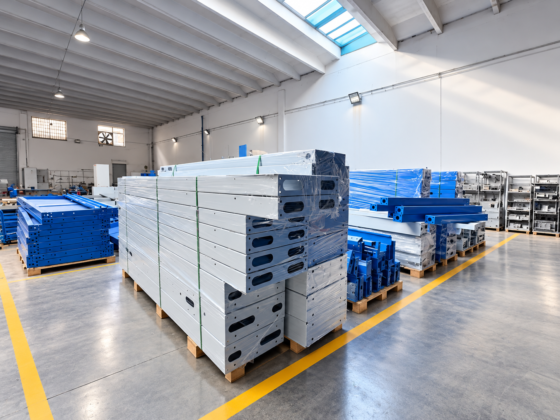
Aikesilun Workshop Area
Automatic washing relies on consistent water flow and suitable water quality.
Insufficient supply can affect cleaning results and equipment operation.
Water Flow Rate
The machine may require several washing stages with different flow rates.
Therefore, ask the manufacturer for peak and normal water demand.
Water Pressure
Some equipment needs a defined incoming water pressure.
High-pressure washing machines may use pumps to create their working spray pressure.
Incoming supply pressure and nozzle operating pressure are different specifications.
Water Storage
A storage tank may be useful where the local water supply is limited or unstable.
However, tank size should be calculated using actual operating demand.
Water Filtration
Filters may protect nozzles, pumps, and valves from particles.
Water hardness and mineral content may also affect cleaning and finishing results.
Spot-Free Rinse
Some premium wash systems use treated water for the final rinse.
Reverse osmosis or another suitable treatment method may be required.
However, treatment needs depend on local water quality and the desired result.
Water Supply Planning
The site designer should confirm flow, pressure, storage, treatment, and backflow protection needs.
These details should be agreed before installation.
7. Drainage and Wastewater Requirements
Car wash drainage is a critical part of site preparation.
Wash water can contain dirt, oil, road residue, and cleaning chemicals.
Therefore, it must be collected and managed properly.
Drainage Channels
The wash bay floor should direct water toward the designed collection system.
However, floor gradients and channel positions should follow approved engineering drawings.
Collection Pits
Some installations use pits or tanks to collect wastewater.
These may also support sediment removal or water reclamation.
Sediment and Oil Separation
Depending on local requirements, the treatment system may need to manage grit, oil, and grease.
Equipment selection should reflect the expected wastewater characteristics.
Sanitary Sewer vs. Storm Drain
Wastewater discharge rules vary by location.
In many jurisdictions, commercial wash wastewater must not enter stormwater systems.
Instead, approved collection, treatment, or sewer discharge arrangements may be required.
Therefore, obtain confirmation from the relevant local authority or wastewater utility.
Water Discharge Permits
Some projects require trade effluent or industrial wastewater approval.
The terms and procedures differ by country and municipality.
Routine Maintenance
Drainage systems need inspection and cleaning.
Sediment accumulation can reduce performance.
Therefore, drainage maintenance should form part of the operating plan.
8. Water Recycling System Installation
Water recycling can reduce fresh water demand.
It may also help operators manage discharge costs and water supply limits.
However, a reclaim system must be designed for the intended wash process.
How Water Reclamation Works
Used wash water is collected and sent through treatment equipment.
Depending on the system, treatment may remove grit, oil, suspended solids, and other contaminants.
The treated water is then stored or supplied to suitable wash stages.
Reclaimed Water Quality
Not every wash stage requires the same water quality.
For example, water suitable for underbody washing may not be appropriate for spot-free final rinsing.
Therefore, treatment design should match the intended reuse.
Equipment Space
A reclaim system may need tanks, filters, pumps, controls, and maintenance access.
This space must be included in the site layout.
Maintenance Requirements
Filters, tanks, and treatment components require regular service.
Therefore, operating costs should be considered alongside potential water savings.
Is Water Recycling Mandatory?
Requirements vary by location.
Some projects may need specific water-saving or wastewater controls.
Others may install reclaim equipment voluntarily.
Always confirm local rules before finalizing the design.
9. Chemical Storage and Dosing Requirements
Automatic car washes use cleaning chemicals for pre-soak, foam, washing, and finishing.
These products must be stored and handled safely.
Chemical Storage
Storage areas should be suitable for the products used.
Depending on the chemical and local rules, secondary containment, ventilation, or other controls may be necessary.
Safety Data Sheets

Reference for Aikesilun Reciprocating-Type Facilities
Operators should maintain safety data sheets for relevant products.
These documents help identify handling, storage, and emergency measures.
Automatic Dosing
Dosing pumps control chemical application during each wash program.
Correct settings help maintain cleaning quality.
However, stronger chemical concentration does not always improve results.
Chemical Compatibility
Products must be compatible with machine components and intended vehicle surfaces.
Mixing incompatible chemicals can create hazards.
Therefore, follow supplier instructions and applicable safety requirements.
Operator Training
Staff should understand chemical handling, spill response, and personal protective equipment requirements.
10. Ventilation, Humidity and Building Protection
Indoor car wash facilities create moisture.
Depending on the wash process, they may also generate mist and chemical vapors.
Therefore, ventilation should be included in building design.
Moisture Control
Poor moisture management can contribute to condensation and corrosion.
Suitable ventilation and building materials can help reduce these problems.
Electrical Equipment Protection
Electrical cabinets and controls need protection appropriate for the environment.
Indoor Air Quality
Ventilation requirements depend on building design, chemical products, and operating conditions.
Noise
Pumps, dryers, and other motors generate noise.
Therefore, operators may need to consider nearby buildings and local noise limits.
Climate
Cold-weather sites may need insulation, heating, and freeze protection.
These requirements should be identified early.
11. Safety Requirements for Automatic Car Wash Installation
Safety must be considered throughout installation and operation.
Automatic car wash machines contain moving equipment, electrical systems, water pressure, and chemical products.
Emergency Stops
The machine should have appropriate emergency stopping arrangements.
Their locations and functions depend on the machine design and applicable requirements.
Machine Guarding
Moving parts may require guards or other protective measures.
This is especially important near conveyors, drives, brushes, and mechanical transmission systems.
Vehicle Detection
Sensors can help prevent incorrect machine movement or operation.
However, sensor design must be suitable for the identified risks.
Warning Signs
Customers need clear instructions for entering, positioning, and leaving the wash.
Signs should also explain relevant vehicle restrictions.
Maintenance Isolation
Equipment should be isolated and secured before maintenance work when required.
Suitable lockout or isolation procedures should be established.
Staff Training
Operators need training in normal operation, emergency response, and fault handling.
12. Installation Permits and Legal Approvals
Commercial car wash projects may need several approvals.
However, requirements depend on the country, region, municipality, and existing property use.
Planning and Zoning

Aikesilun Reciprocating Unit Workshop Assembly Area
The property must be suitable for the proposed business activity.
Some projects require planning or zoning approval.
Building Permits
New structures or major alterations may require building permits.
Electrical Permits
Electrical work may require inspection or certification.
Plumbing and Drainage Approvals
Water supply and wastewater systems may need separate review.
Environmental Requirements
Water discharge, chemical storage, and other environmental matters may require approval.
Fire and Safety Requirements
Building use, equipment rooms, and stored materials may affect fire safety obligations.
Who Should Check the Requirements?
The property owner should work with local authorities and qualified design professionals.
A manufacturer can provide technical information, but it cannot replace local regulatory approval.
13. Car Wash Installation Requirements in the United States
US projects should be planned around state and local requirements.
There is no single national installation permit that covers every commercial car wash.
Building and Zoning
Local authorities may review land use, building design, and vehicle traffic.
Electrical Installation
The electrical design must follow applicable local codes and inspection requirements.
Wastewater
The local sewer utility or environmental authority may regulate wastewater discharge.
Equipment Safety
Workplace safety obligations may apply to equipment operation and maintenance.
Accessibility
Customer facilities and payment areas may also need to meet applicable accessibility requirements.
Best Practice
Before ordering equipment, obtain local professional review of the site plan and manufacturer specifications.
14. Car Wash Installation Requirements in Canada
Canadian projects share many practical concerns with US installations.
However, approval systems and technical rules differ by province and municipality.
Cold Weather Protection
Freezing temperatures may require protection for pipes, valves, pumps, and exposed equipment.
Electrical Approval
Electrical equipment and installations may need appropriate certification or field evaluation.
Water and Wastewater
Local utilities may set discharge requirements.
Building Design
Heating, insulation, drainage, and safe access should be considered.
Vehicle Clearance
Sites serving larger SUVs and pickup trucks should check equipment limits carefully.
15. Car Wash Installation Requirements in the United Kingdom
UK buyers should review planning, building, electrical, water, and environmental requirements.
Planning Permission
A new commercial car wash or a change of property use may require planning approval.
Trade Effluent
Discharging commercial wastewater to a public foul sewer may require consent from the relevant sewerage undertaker.
Surface Water Protection
Wash water should be managed through an approved drainage arrangement.
Electrical Safety
Electrical installation must meet applicable UK requirements.
Workplace Safety
Machine guarding, maintenance access, and staff training are important.
Professional Review
A qualified local designer or contractor should confirm the final installation requirements.
16. Car Wash Installation Requirements in the European Union
EU installations require review of relevant product and national site rules.
Machinery Conformity
Machinery placed on the EU market must meet the applicable product safety requirements.
As of October 2026, the main framework still includes the Machinery Directive 2006/42/EC.
Regulation (EU) 2023/1230 will generally apply from 20 January 2027, subject to specific provisions with other application dates.
CE Marking
Where required, CE marking forms part of the applicable conformity process.
However, a CE mark does not replace installation approval or local site compliance.
Electrical Requirements
Equipment must be suitable for the destination supply system and relevant requirements.
Water and Wastewater
National and municipal rules may regulate water use and discharge.
Documentation
Operating instructions, technical information, and safety documents should meet applicable market requirements.
Local Installation Partners
Importers and buyers should work with qualified local contractors and specialists.
17. Special Requirements for Gas Station Car Washes
Gas stations are a common location for automatic car washes.
However, they present special traffic and site-planning challenges.
Safe Vehicle Flow
The wash queue should not block fuel dispensers, store access, deliveries, or emergency routes.
Separation From Fuel Operations
The site design should consider the relationship between the wash area and fuel-handling facilities.
Where applicable, hazardous-area classifications and other site-specific safety requirements must be assessed by qualified professionals.
Customer Payment Integration
Some gas stations connect the car wash with fuel payment or loyalty systems.
However, compatibility must be confirmed before purchase.
Limited Space
Compact rollover and touchless machines may suit existing wash bays.
Operating Hours
Noise, lighting, and nearby properties may affect permitted operating hours.
18. Tunnel Car Wash Installation Planning
Tunnel systems require more detailed traffic planning than single-bay machines.
Conveyor Alignment
The conveyor must be installed according to approved drawings.
Entry and Loading Area
Vehicles need a safe approach and correct positioning.
Tunnel Length
The building must fit the selected cleaning modules and approved vehicles.
Exit Area
Drivers need enough space to leave safely.
Queue Capacity
The entry lane should support realistic peak demand.
Equipment Rooms
Larger installations may need dedicated space for pumps, water treatment, electrical cabinets, and chemicals.
Maintenance Access
Technicians must be able to service the conveyor and cleaning stations safely.
19. Rollover Car Wash Installation Planning
A rollover machine can be a practical option for an existing wash bay.
However, the original building must be assessed.
Gantry Travel
The moving frame needs a suitable operating path.
Rail Foundations
The floor and anchors must support the equipment.
Vehicle Positioning
Drivers need clear signals showing where to stop.
Water and Electrical Connections
Connections should match the manufacturer’s drawings.
Dryer Clearance
Integrated or separate dryers may have additional space needs.
Upgrading Existing Bays
Replacing an old machine may require changes to rails, electrical supply, plumbing, and control systems.
Therefore, a site survey is recommended before ordering.
20. Car Wash Machine Installation Cost: What Should You Budget?
Installation cost varies greatly by machine and site.
For example, replacing equipment in a suitable wash bay may require less work than building a new commercial tunnel.
However, even a replacement project may need electrical or drainage upgrades.
Main Cost Categories
The budget should include site design, engineering, permits, foundations, electrical work, plumbing, drainage, water treatment, shipping, installation, and commissioning.
Example Budget Structure
The following table is an illustrative allocation for a hypothetical $200,000 project.
| Cost Category | Example Budget |
|---|---|
| Car wash equipment | $100,000 |
| Civil works and foundations | $30,000 |
| Electrical installation | $15,000 |
| Water and drainage | $20,000 |
| Shipping and handling | $12,000 |
| Installation and commissioning | $13,000 |
| Contingency | $10,000 |
| Total | $200,000 |
These figures are fictional planning assumptions, not market price averages.
Actual projects can have very different cost structures.
How to Avoid Unexpected Costs
Begin with a site survey.
Then obtain complete supplier drawings and contractor estimates.
Also include a reasonable contingency for unexpected work.
21. Step-by-Step Automatic Car Wash Installation Process
A structured installation process can reduce delays.
Step 1: Project Requirements
Define the intended machine type, wash capacity, budget, and site needs.
Step 2: Site Survey
Measure the site and inspect existing utilities.
Step 3: Technical Design
Prepare equipment layout, structural plans, electrical design, plumbing, and drainage arrangements.
Step 4: Permits and Approvals
Obtain the required local approvals before construction.
Step 5: Civil Works
Prepare the foundations, floor, trenches, pits, and related structures.
Step 6: Utility Installation
Install approved electrical, water, drainage, and other required services.
Step 7: Equipment Delivery
Check the delivered equipment against the packing list.
Inspect for visible shipping damage.
Step 8: Mechanical Installation
Qualified technicians install the frame, rails, conveyors, pumps, and other equipment.
Step 9: Electrical and Control Connections
Qualified personnel complete wiring and control integration.
Step 10: Commissioning
The installation team tests the equipment before commercial use.
Step 11: Training and Handover
Operators receive instructions, documentation, and maintenance information.
Step 12: Opening
The site begins commercial operation after required checks and approvals.
22. Commissioning and Performance Testing
Commissioning confirms that the installed equipment operates as intended.
It is more than simply switching the machine on.
Mechanical Checks
Inspect movement, alignment, fasteners, and operating clearances.
Water System Checks
Check for leaks and confirm suitable flow and pressure.
Electrical Checks
Qualified personnel should verify the electrical installation.
Sensor Testing
Test vehicle detection and relevant safety functions.
Emergency Stop Testing
Confirm the required emergency stop functions.
Wash Program Testing
Run the intended cleaning packages.
Drying Performance
Check dryer operation and actual results.
Documentation
Record test results, defects, corrective actions, and final acceptance.
23. Common Car Wash Installation Mistakes
Many costly problems begin before the equipment arrives.
Ordering Before a Site Survey
The chosen machine may not fit the available building.
Using Incomplete Drawings
Catalog dimensions may not include service access or utility space.
Underestimating Electrical Needs
The site may require electrical upgrades.
Ignoring Drainage Approval
Wastewater arrangements may delay opening.
Forgetting Cold Weather Protection
Exposed systems may be vulnerable to freezing.
Poor Vehicle Traffic Design
Queues may block important areas.
Inadequate Service Access
Maintenance may become difficult or unsafe.
Skipping Commissioning
Unverified equipment may develop faults during operation.
Unclear Supplier Responsibilities
Disputes may arise over who provides foundations, piping, wiring, or training.
Therefore, every major responsibility should be defined in the contract.
24. How to Choose a Car Wash Machine Manufacturer for Your Installation
A reliable equipment supplier should support installation planning with clear technical information.
Request Detailed Drawings
Ask for equipment dimensions, foundation requirements, connection points, and maintenance clearances.
Review Utility Specifications
The supplier should state required electrical, water, drainage, and compressed-air conditions where relevant.
Confirm Installation Scope
Ask whether the manufacturer provides supervision, commissioning, or operator training.
Review Technical Support
Find out how faults are diagnosed and spare parts are supplied.
Check Destination Compatibility
Imported equipment should be reviewed against destination-market requirements.
Ask for Similar Project References
A comparable installation can help buyers understand practical requirements.
However, each site still needs its own engineering review.
25. Frequently Asked Questions About Car Wash Installation
What are the main requirements for installing a car wash machine?
The main requirements are adequate space, suitable foundations, safe electricity, sufficient water, proper drainage, required approvals, and professional commissioning.
How much space do you need for an automatic car wash?
Space depends on the machine type, approved vehicle size, entry route, and maintenance needs. The manufacturer’s layout drawing should be reviewed before construction.
What electrical supply does an automatic car wash need?
Requirements vary by model. Buyers must confirm voltage, frequency, phase, connected load, and protective equipment with the manufacturer and local electrician.
Does a car wash need a special foundation?
Many commercial systems require specific floor or foundation arrangements. A structural engineer should review the equipment loads and supplier drawings.
Can a car wash discharge wastewater into a storm drain?
Commercial wash wastewater must follow local discharge rules. Stormwater discharge is often restricted or prohibited. Confirm approved arrangements with the relevant authority.
Does an automatic car wash need water recycling?
Not every installation has the same requirement. However, recycling can reduce fresh-water consumption and may help meet local water management obligations.
Can an automatic car wash be installed in an existing building?
Yes, if the building can meet the equipment’s structural, dimensional, utility, drainage, and safety requirements. Modifications may be needed.
How long does installation take?
The schedule depends on machine type, site preparation, permits, construction work, delivery, and commissioning. Ask the supplier and contractors for a project-specific timeline.
Does a gas station need special approval for a car wash?
Approvals depend on local planning, construction, drainage, and site conditions. Fuel-handling operations may also create additional safety considerations.
What permits are needed for a commercial car wash?
Possible approvals include planning, building, electrical, plumbing, wastewater, and other environmental permits. The exact list depends on the location.
Who should install an automatic car wash machine?
Qualified installers and licensed professionals should perform the work within their respective responsibilities, following the manufacturer’s instructions and applicable rules.
What happens during car wash commissioning?
Commissioning includes equipment inspection, utility checks, movement tests, safety function tests, wash program verification, and operator training.
Can a Chinese automatic car wash machine be installed in the US or Europe?
Potentially, yes. However, equipment compatibility, local approvals, safety requirements, electrical systems, and documentation must be verified before purchase.
What documents should the manufacturer provide?
Important documents may include technical specifications, general arrangement drawings, foundation information, wiring diagrams, installation instructions, maintenance manuals, and applicable conformity documents.
26. Request Car Wash Machine Installation Specifications
Every car wash installation begins with the right technical information.
A compact touchless wash needs a different layout from a rollover system.
Likewise, a high-capacity tunnel requires a different approach to foundations, conveyor planning, and water management.
Therefore, buyers should share their project requirements with the equipment supplier before construction.
What Information Should You Send?
Provide your project country, available site dimensions, preferred machine type, expected wash volume, typical vehicle sizes, electrical supply, water supply, drainage conditions, and target budget.
These details help the supplier identify suitable equipment and prepare a technical proposal.
Get a Custom Installation Plan and Equipment Quote
Are you planning a new automatic car wash or upgrading an existing facility?
Contact our team to discuss machine selection, site requirements, utility connections, and available technical documentation.
We can review your initial project information and help determine the next steps for selecting a suitable car wash configuration.
Request Installation Drawings | Get an Equipment Quote | Discuss Your Car Wash Project
Conclusion: Plan Installation Before Buying Your Car Wash Machine
Car wash machine installation requirements involve much more than selecting equipment.
The project needs suitable space, foundations, electricity, water, drainage, safety measures, and local approvals.
Different machine types also have different needs.
Touchless and rollover machines can fit into compact wash bays, while tunnel systems need longer sites and more detailed vehicle traffic planning.
However, exact requirements depend on the machine and destination.
Therefore, the best approach is to begin with a site survey, obtain complete manufacturer drawings, and work with qualified local professionals.
Careful planning can help reduce installation delays, avoid unnecessary costs, and support reliable operation.
Planning a commercial car wash installation? Contact our team for equipment specifications, installation information, and a project-specific quotation.