
How to Prevent Chemical Damage to Automatic Car Wash Components?
2026 Commercial Equipment Guide: Chemical Compatibility, Corrosion Prevention, Pump Protection, Seal Materials, Chemical Dosing, Water Quality, Maintenance, and Long-Term Reliability
Introduction: Why Chemical Damage Matters in Automatic Car Wash Equipment
Automatic car wash machines use water, cleaning chemicals, motors, pumps, valves, sensors, and many other components. These systems work together to remove dirt, road film, and other unwanted material from vehicles.
However, the chemicals that help clean cars can also create problems for equipment when they are poorly selected, incorrectly diluted, or used outside approved conditions.
Over time, unsuitable chemicals may damage seals, attack certain metals, weaken plastic parts, or affect chemical dosing equipment. Some products may also leave deposits that restrict flow.
These issues can reduce cleaning performance and increase repair costs.
For commercial operators, unexpected repairs can create downtime and affect customer satisfaction.
Therefore, automatic car wash chemical damage prevention should be part of routine equipment management.
A good prevention plan starts with chemical selection. It also includes proper dilution, compatible materials, safe storage, correct dosing, and regular inspection.
The key is to protect the complete washing system rather than focusing on a single component.
This guide explains how chemical exposure affects commercial automatic car wash machines, which parts may be vulnerable, and how operators can reduce avoidable damage.
It also includes practical recommendations for gas stations, convenience stores, tunnel wash facilities, fleet washing operations, and equipment buyers in North America and Europe.
Quick Answer: How Can You Prevent Chemical Damage to Car Wash Components?
The most effective approach is to use manufacturer-approved cleaning products, verify chemical compatibility, follow specified concentrations, maintain accurate dosing, and inspect wetted components regularly.
Before using a new chemical, review its safety data sheet and technical product information. Confirm that the formulation is suitable for the machine’s pumps, seals, valves, tubing, nozzles, and other exposed materials.
Do not assume a chemical is compatible based only on its pH.
Also, avoid mixing products unless the chemical manufacturer has expressly approved the procedure.
Use dedicated, clearly labeled containers and dosing lines where required.
If a component shows unusual swelling, cracking, corrosion, or leakage, stop the affected operation and arrange a qualified inspection.
These steps help reduce equipment damage while supporting safer chemical handling.
1. What Is Chemical Damage in an Automatic Car Wash?
Chemical damage occurs when exposure to a substance changes a component in an unwanted way.

Small guide rail structure
The effects vary by chemical and material.
For example, a metal part may corrode.
A rubber seal may swell, harden, or lose its sealing ability.
Certain plastics may crack or become brittle.
Coatings may also degrade.
However, not every failure near a chemical system is caused by chemical attack.
A leaking pump may have mechanical wear or installation problems.
Likewise, a blocked nozzle may contain mineral scale rather than chemical residue.
Therefore, diagnosis should identify the actual damage mechanism.
A complete assessment considers the component material, chemical formulation, concentration, temperature, and operating history.
2. Which Car Wash Components Are Most Exposed to Chemicals?
Different washing systems use different chemical delivery methods.
However, several components may come into regular contact with cleaning products.
These include:
- Chemical storage tanks
- Dosing pumps
- Suction and delivery tubing
- Solenoid valves
- Fittings and connectors
- Gaskets and seals
- Spray manifolds
- Nozzles
- Selected water pumps
- Brush materials
- Exposed machine structures
The level of exposure varies.
For example, a chemical dosing pump may contact a concentrated product.
A downstream spray manifold may only contact a diluted solution.
Therefore, the same material specification may not be suitable for every location.
Buyers should request a chemical contact map or a clear description of the wetted components.
3. Why Chemical Compatibility Matters
Chemical compatibility describes how suitable a material is for contact with a particular substance under defined conditions.
However, compatibility is not simply a yes-or-no property.
A material may perform well with one diluted detergent but poorly with another concentrated cleaner.
Temperature and exposure time also affect performance.
For example, a seal that performs acceptably during brief contact may behave differently when continuously immersed.
Therefore, buyers should not rely on broad claims such as “chemical-proof.”
Instead, request the exact component material and the chemical supplier’s compatibility guidance.
Where necessary, the manufacturer should verify the complete chemical formulation under representative operating conditions.
4. Understanding Acidic and Alkaline Car Wash Chemicals
Commercial vehicle washing may use acidic, alkaline, neutral, or other specialized formulations.
These products serve different cleaning purposes.
Alkaline formulations may help remove selected oily dirt and road film.
Acidic products may be used for certain mineral deposits or cleaning applications.
Neutral products may suit other cleaning stages.
However, formulation chemistry matters more than the label alone.
A product’s cleaning performance and material compatibility can depend on surfactants, solvents, builders, chelating agents, inhibitors, and other ingredients.
Therefore, operators should follow the intended use stated by the chemical supplier.
An acidic or alkaline product should never be assumed compatible with all equipment.
5. Why pH Alone Does Not Tell the Whole Story
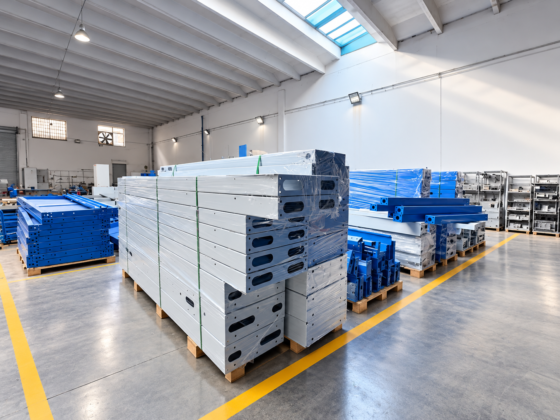
Workshop Display Images
The pH of an aqueous product provides useful information about acidity or alkalinity.
However, it does not describe every relevant chemical property.
Two products with similar pH values may contain different ingredients.
As a result, they may affect metals, seals, and coatings differently.
Concentration also matters.
A concentrated product may present different risks from the recommended working dilution.
Temperature and duration of contact can further change the result.
Therefore, a material selection decision should not rely only on a pH number.
The better approach is to review the complete formulation and obtain written compatibility advice from the relevant suppliers.
6. The Role of Concentration in Equipment Damage
Cleaning products are often supplied as concentrates.
They may need dilution before application.
However, using too much concentrate can increase chemical exposure and operating cost.
It may also change the risk to equipment materials.
Using too little product can reduce cleaning performance.
Therefore, operators should follow the recommended dosing instructions.
The correct ratio depends on the product and intended wash stage.
It should not be copied from an unrelated chemical.
Where dosing equipment allows adjustment, settings should be controlled and documented.
Any change should follow an approved process.
Accurate dilution supports cleaning consistency and helps reduce unnecessary chemical consumption.
7. How Incorrect Chemical Dosing Causes Problems
Automatic dosing systems deliver cleaning products during the wash cycle.
However, a dosing fault can change the amount of product reaching the vehicle and equipment.
For example, an incorrect calibration may cause excessive chemical use.
A worn dosing component may deliver inconsistent quantities.
A blocked line can reduce delivery.
Therefore, dosing performance should be checked according to the manufacturer’s maintenance schedule.
Operators should record product changes and dosing adjustments.
If the system uses multiple chemicals, each product should follow its approved delivery route.
A stable dosing process helps protect equipment and maintain predictable wash results.
8. Automatic Car Wash Chemical Damage Prevention Starts With Product Selection
Chemical selection should consider both cleaning performance and equipment compatibility.

Tunnel Car Wash Machine
Begin with the intended washing task.
For example, a pre-soak product may have different requirements from a wheel cleaner or drying aid.
Next, confirm whether the chemical is approved for the machine.
Review the product’s technical data sheet and safety data sheet.
Then check the materials exposed to the concentrate and working solution.
The chemical supplier should explain recommended use conditions.
The equipment manufacturer should provide relevant component specifications.
When compatibility cannot be confirmed, do not introduce the product into commercial operation without further assessment.
9. How Chemicals Affect Water Pumps
Not all car wash pumps handle the same fluid.
Some pumps deliver mostly water.
Others may contact diluted chemical solutions.
Dedicated dosing pumps may handle concentrated products.
Therefore, pump compatibility depends on the specific application.
Potential problems include corrosion, seal degradation, and damage to wetted parts.
However, low pump output may also result from normal mechanical wear, cavitation, supply restrictions, or other faults.
The correct diagnosis requires inspection and operating information.
Buyers should request the pump’s wetted-material specifications.
The approved chemical and temperature limits should be clearly stated.
10. Protecting Pump Seals and Gaskets
Seals and gaskets help prevent leakage.
They may be made from different elastomers or other sealing materials.
However, these materials respond differently to chemical exposure.
An incompatible fluid can cause swelling, shrinkage, hardening, or deterioration.
This may lead to leakage or loss of sealing performance.
Therefore, component material is important.
Buyers should ask whether the machine uses EPDM, FKM, PTFE, or other materials in relevant locations.
However, a material name alone does not confirm compatibility.
The exact grade and chemical formulation matter.
Replacement seals should match the manufacturer’s approved specifications.
11. Comparing Common Seal Materials
Different seal materials have different performance characteristics.
However, no single material is suitable for every car wash chemical.
| Material | General Consideration | What Buyers Should Verify |
|---|---|---|
| EPDM | Used in many water-based applications | Compatibility with the exact cleaner and temperature |
| FKM | Used in selected chemical and oil applications | Suitability for the actual formulation |
| NBR | Common in various sealing applications | Compatibility with cleaners and other ingredients |
| PTFE | Offers broad resistance to many chemicals | Actual component design and operating limits |
| Silicone | Used in selected sealing applications | Chemical exposure, wear, and temperature requirements |
This is not a universal compatibility rating.
Manufacturers should confirm the specific material grade and service conditions before a replacement is approved.
12. Protecting Solenoid Valves From Chemical Attack
Solenoid valves control fluid flow in many washing systems.
The valve body, seals, diaphragm, and internal components may contact chemicals.
Therefore, material compatibility is essential.
A valve that works well with water may not be suitable for concentrated detergent.
Likewise, a product change may require a compatibility review.
Possible symptoms of component problems include leakage, abnormal operation, or reduced flow.
However, these symptoms can also have electrical or mechanical causes.
Qualified personnel should identify the fault.
Replacement valves must meet the required fluid, pressure, temperature, electrical, and material specifications.
13. Chemical Compatibility of Hoses and Tubing
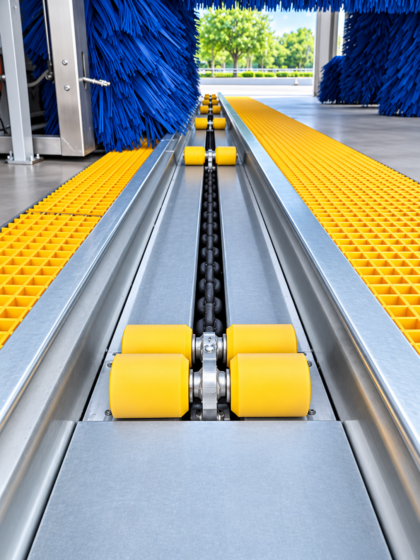
American-style heavy chain
Chemical transfer lines are exposed to both the product and operating conditions.
Some are used for concentrated chemicals.
Others handle diluted solutions.
Their materials may include various polymers or reinforced hose constructions.
However, a hose suitable for water is not automatically suitable for every cleaning product.
Compatibility should be checked before installation.
Temperature, pressure, bend radius, and mechanical support also matter.
Operators should look for visible damage during approved inspections.
If tubing becomes cracked, unusually soft, brittle, or discolored, arrange an appropriate assessment.
Replacement lines should meet the original approved specifications.
14. Why Plastic Tanks Need Material Verification
Chemical storage tanks may be manufactured from different plastic materials.
Their suitability depends on the stored product and operating environment.
For example, some tanks are designed for selected aqueous chemical formulations.
However, a tank’s appearance does not identify its chemical resistance.
Therefore, buyers should request the material specification.
They should also consider temperature, storage duration, and any relevant concentration limits.
Tanks need suitable installation and secondary containment where required.
Routine checks may help identify visible leaks or damage.
A tank should never be reused for an incompatible product without proper assessment.
15. How Cleaning Chemicals Affect Metal Components
Metal parts may be exposed to chemical spray, mist, splashes, or leaks.
Depending on the metal and chemical, corrosion may occur.
For example, some environments can damage unprotected steel or affect other metals.
However, corrosion resistance depends on alloy, surface condition, chemical composition, and exposure.
Therefore, broad claims such as “stainless steel never rusts” are inaccurate.
Buyers should ask which grades and protective finishes are used.
They should also review expected operating conditions.
Regular inspection can help identify early signs of deterioration.
The supplier should explain approved cleaning and maintenance methods for exposed structures.
16. Stainless Steel Is Not Automatically Chemical-Proof
Stainless steel is commonly used in industrial equipment.
However, different stainless steel grades have different resistance properties.
A component’s performance depends on the chemical environment.
Chlorides, temperature, concentration, surface condition, and other factors may influence localized corrosion.
Therefore, buyers should not assume that every stainless steel part is suitable for every car wash chemical.
Ask the supplier to identify the material grade where it is relevant.
Then verify compatibility with the cleaning products used on site.
A suitable material selection reduces risk, but proper maintenance is still required.
17. Protecting Galvanized and Coated Structures
Automatic car wash frames may use galvanized or coated steel.
These finishes help protect the underlying metal in suitable environments.
However, their resistance is not unlimited.
Chemical exposure, physical damage, and poor maintenance may affect the protective layer.
Therefore, operators should follow the manufacturer’s approved cleaning procedures.
Do not use aggressive products on machine structures unless they are confirmed compatible.
Inspect areas where chemical spray may collect.
If the finish shows damage, qualified personnel should determine the correct repair method.
Buyers should also evaluate the installation environment, especially where moisture remains for long periods.
18. Chemical Effects on Car Wash Brushes
Brush-based automatic car washes use cleaning media that repeatedly contact water and detergents.
The material may be designed for a specific washing process.
However, unsuitable chemicals can affect some cleaning materials over time.
Possible changes include altered flexibility, surface condition, or wear behavior.
The effect depends on the brush material and formulation.
Therefore, operators should use approved products and concentrations.
Routine inspection should follow manufacturer guidance.
If brushes show unexpected deterioration, review both mechanical wear and chemical exposure.
Replacement materials should be compatible with the original machine design.
19. Preventing Chemical Damage to Sensors
Sensors help automatic car wash machines detect vehicles and monitor equipment movement.
Depending on their location, they may be exposed to mist, water, or chemical spray.
However, sensor housings and seals have different environmental limits.
Therefore, buyers should review the stated protection rating and chemical compatibility.
An IP rating describes defined protection against dust and water ingress; it does not automatically establish resistance to cleaning chemicals.
Operators should follow the approved cleaning method.
Do not spray concentrated cleaner directly onto sensitive components unless the manufacturer permits it.
Damaged sensor housings or seals should be assessed by qualified personnel.
20. Protecting Electrical Cabinets and Connectors
Electrical components should be protected from unsuitable environmental exposure.
Chemical mist and moisture may affect some enclosures, connectors, and cable materials.
However, the consequences depend on the installation and equipment design.
Therefore, cable routing, cabinet placement, and enclosure selection deserve attention.
Operators should keep chemical containers and transfer activities away from sensitive electrical equipment where practical.
Leaks should be addressed promptly.
Never open electrical cabinets or attempt internal cleaning without proper authorization.
Qualified personnel should inspect any electrical equipment suspected of chemical contamination.
21. Why Chemical Storage Conditions Matter
Incorrect storage can affect both chemical quality and workplace safety.
Products should be stored according to the manufacturer’s instructions.
Important factors may include temperature, ventilation, container compatibility, and separation from incompatible substances.
For example, some products should not be exposed to excessive heat or freezing conditions.
Others require particular storage precautions.
Therefore, operators should review SDS Section 7 and the product label.
Containers must remain clearly identified.
Suitable containment and spill response arrangements should be provided where required.
Good storage practices help protect workers, the building, and the washing equipment.
22. Never Mix Incompatible Cleaning Chemicals
Mixing chemicals without manufacturer approval can create serious hazards.
Some combinations may produce heat, toxic gases, or other dangerous reactions.
For example, mixing chlorine-based products with acidic cleaners can release hazardous chlorine gas.
Therefore, operators should never combine products simply to improve cleaning strength.
Chemical transfer equipment should be clearly identified.
Where necessary, dedicated lines and containers should be used.
Any product change or system conversion should follow a documented procedure developed with the relevant suppliers.
Staff training is essential.
Chemical safety must take priority over convenience or cost savings.
23. Why a Safety Data Sheet Is Essential
A safety data sheet, or SDS, provides information about a chemical’s hazards and safe handling.
Depending on the product and jurisdiction, it includes information on handling, storage, exposure controls, stability, and reactivity.
Operators should obtain the current SDS for relevant products.
However, an SDS is not always a complete equipment material compatibility guide.
The chemical supplier may need to provide additional technical information.
Likewise, the machine manufacturer should identify the components exposed to the product.
The safest procurement process uses both sources.
SDS information supports worker protection, while material compatibility information supports equipment selection.
24. How to Read Chemical Compatibility Information
Compatibility charts can help guide material selection.
However, their ratings may reflect specific test conditions.
For example, a chart may evaluate a pure chemical rather than a commercial cleaning formulation.
A product may also contain several ingredients that change the overall effect.
Therefore, buyers should read the chart’s limitations.
Check the chemical concentration, temperature, test duration, and material grade.
When information is missing, seek written guidance.
Do not select a new seal or pump body based only on a generic online chart.
For critical components, representative testing may be necessary.
25. Chemical Dosing Pumps and Calibration
Accurate dosing helps provide consistent chemical delivery.
However, pump settings can change over time or after maintenance.
Therefore, operators should follow the manufacturer’s calibration schedule.
A dosing system should also use components compatible with the specific concentrate.
Possible inspection points include the pump head, seals, tubing, connections, and any approved monitoring equipment.
If delivery becomes inconsistent, record the symptoms.
Qualified personnel should determine whether the issue involves calibration, wear, restrictions, or another fault.
Correcting the actual cause helps avoid unnecessary chemical use and component replacement.
26. The Importance of Chemical Injection Points
Where chemicals enter the washing process can affect exposure conditions.
A concentrated product may contact selected equipment before it is diluted.
Other components may only contact the final working solution.
Therefore, injection-point design matters.
A suitable system should match the intended chemical and dosing method.
However, operators should not move injection points or connect new products without technical review.
Changes can affect flow, material exposure, and cleaning performance.
The manufacturer should explain the approved delivery arrangement.
Buyers should request a flow diagram or similar documentation where relevant.
27. Why Proper Rinsing Helps Protect Equipment
Some equipment surfaces may accumulate chemical residue during operation.
If residue remains, exposure time can increase.
Therefore, approved rinsing or cleaning procedures may help protect selected components.
However, not every component should be rinsed directly.
Electrical equipment, sensors, bearings, and other assemblies may have specific cleaning restrictions.
Operators should follow the manufacturer’s maintenance instructions.
Do not assume that flushing with water is safe for every chemical or system.
Chemical lines may require a defined cleaning procedure when products are changed.
The correct method depends on the chemical formulation and machine design.
28. Water Quality and Chemical Performance
Water quality can influence cleaning chemistry and equipment condition.
Hardness, dissolved substances, and other characteristics may affect some formulations.
Certain products may also leave deposits under particular conditions.
Therefore, the chemical supplier should confirm relevant water quality requirements.
Buyers should understand whether the system needs filtration, softening, or other treatment.
However, not every machine needs the same treatment.
The goal is to match water quality to the complete washing process.
Operators should investigate unusual scale, residue, or performance changes instead of simply increasing detergent concentration.
29. Chemical Damage vs. Mineral Scale
Not all deposits indicate chemical corrosion.
Mineral scale can form when water chemistry and operating conditions promote precipitation.
This may restrict selected passages or affect spray patterns.
However, corrosion and mineral deposits require different responses.
For example, changing a cleaning chemical may not solve a water hardness problem.
Likewise, removing scale without considering material compatibility can create additional damage.
Therefore, identify the deposit before choosing a treatment method.
A qualified supplier or specialist can help assess the cause.
Use only approved cleaning products and maintenance methods.
30. Effects of Temperature and Exposure Time
Material compatibility often changes with temperature.
A component may perform well at one temperature but less well at another.
Likewise, continuous immersion can differ from brief intermittent contact.
Therefore, buyers should consider realistic operating conditions.
Chemical storage temperatures also matter.
An outdoor car wash in a hot climate may face different conditions from an indoor wash in a cold region.
Ask the component supplier for the approved operating range.
Avoid assuming that a material’s room-temperature compatibility rating applies to every process condition.
31. Preventing Chemical Leaks
Chemical leaks can damage nearby equipment and create safety hazards.
Potential leak points include tubing, fittings, storage connections, pumps, and valves.
However, leakage can have several causes.
These include material damage, mechanical wear, or incorrect installation.
Therefore, the site should use an approved inspection program.
Staff should understand how to report a suspected leak safely.
Do not handle unknown or hazardous chemical spills without appropriate training and protective equipment.
The site’s spill response procedure should follow the SDS and applicable requirements.
Damaged components should be replaced with compatible, approved parts.
32. What to Do When Chemical Damage Is Suspected
If equipment shows unexpected corrosion, cracking, swelling, or leakage, stop the affected operation when appropriate.
Keep people away from any hazardous area.
Record the affected component and operating conditions.
Collect product names, available SDS information, and recent chemical changes.
However, do not touch or dismantle contaminated equipment without appropriate safety controls.
Qualified personnel should assess the damage.
A proper investigation may need to distinguish chemical attack from fatigue, abrasion, pressure, or installation defects.
The machine should return to service only after the underlying issue has been addressed.
33. How to Create a Chemical Compatibility Register
A chemical compatibility register can help operators manage several cleaning products.
It links each chemical to the materials and equipment that contact it.
For example, the register may identify a pre-soak product, its approved working concentration, and the dosing components it uses.
Include the supplier’s SDS revision and compatibility confirmation.
Record relevant operating limits.
Also identify the person responsible for approving changes.
This is especially useful for businesses with multiple wash programs.
A register reduces the risk of an unreviewed chemical being introduced into a system.
34. Example Chemical Compatibility Register
| Information | Example Record |
|---|---|
| Chemical use | Pre-soak detergent |
| Product name | Supplier-approved product |
| Working concentration | As specified by supplier |
| SDS version | Current approved revision |
| Dosing equipment | Identified pump and line |
| Wetted materials | Confirmed from component documentation |
| Temperature limits | As approved |
| Compatibility status | Confirmed / Pending / Not approved |
| Review date | Recorded by operator |
This is a management template.
It does not confirm compatibility for any specific chemical or component.
Records should be updated whenever a product or system configuration changes.
35. Daily Checks for Chemical Damage Prevention
A daily inspection can help operators recognize visible problems.
Start by checking for unusual leaks or chemical accumulation from safe locations.
Review available fault messages.
Confirm that chemical containers are properly identified.
Look for obvious changes in dosing performance or wash results.
However, do not enter guarded machinery areas or open chemical lines without authorization.
The manufacturer should define which checks operators may perform.
More detailed service may require hazardous-energy control and chemical protective measures.
A consistent inspection routine helps identify problems early.
36. Weekly and Monthly Maintenance Planning
Periodic maintenance may include checking dosing equipment, compatible tubing, valves, nozzles, and exposed structures.
However, intervals depend on usage, chemical formulation, and machine design.
Therefore, use the manufacturer’s actual schedule.
High-volume sites may require closer monitoring.
Maintenance records should describe any replaced components and unusual findings.
If repeated failures occur, review the chemical compatibility data and operating conditions.
Do not assume that installing the same replacement part will solve a recurring problem.
Understanding the failure mechanism is essential.
37. Training Employees to Handle Car Wash Chemicals
Chemical safety depends on clear procedures and effective training.
Staff should know which products are approved.
They should understand labels, storage rules, and relevant exposure controls.
They should also know what to do when an SDS or product label is missing.
Do not allow employees to improvise chemical mixtures or transfer chemicals into unmarked containers.
Training should explain when to stop work and request technical assistance.
For maintenance, staff should understand the difference between routine operation and tasks requiring authorized personnel.
This approach supports both worker safety and equipment protection.
38. How to Evaluate Chemical-Resistant Components Before Buying
Commercial buyers should ask suppliers to identify materials in chemical-contact areas.
These may include pump heads, seals, valve bodies, tubing, tanks, and fittings.
However, a general claim of corrosion resistance is not enough.
Request the intended chemical exposure conditions and component specifications.
Ask whether the machine has been evaluated with the proposed chemical products.
Check maintenance and replacement requirements.
Also, review whether alternative compatible materials are available for selected components.
The best equipment configuration is based on the actual cleaning process.
39. Choosing a Chemical Dosing System
A suitable chemical dosing system should deliver the intended product under approved conditions.
However, not all dosing pumps are interchangeable.
Selection depends on the fluid, required flow, operating pressure, materials, and control method.
Buyers should request clear specifications.
Ask how the dosing rate is maintained and verified.
Also, check how components are serviced.
Where several products are used, review their delivery arrangements.
A reliable dosing system can support consistent cleaning while reducing the risk of avoidable chemical exposure.
40. Comparing Maintenance Costs
Chemical-related equipment problems can increase operating costs.
These may include replacement seals, damaged tubing, pump service, and downtime.
However, the financial effect varies by site.
Consider a hypothetical operation.
Suppose a recurring component failure requires $250 in parts and labor four times per year.
The direct annual cost would be:
$250 × 4 = $1,000
Now suppose an approved material upgrade reduces the frequency to once per year.
The direct annual cost becomes:
$250 × 1 = $250
The modeled difference is $750 per year before upgrade costs.
These numbers are illustrative, not verified savings.
41. Why Cheap Chemicals May Increase Total Costs
A low-priced detergent does not necessarily create the lowest operating cost.
A product may need a higher dose to achieve the required cleaning result.
Another may require different equipment materials or more maintenance.
However, an expensive product is not automatically better.
Therefore, operators should compare chemical cost per completed wash and relevant equipment effects.
Ask for recommended dilution and performance information.
Then evaluate the complete system.
A product that cleans consistently within the machine’s approved conditions may provide better value than one selected only by container price.
42. Chemical Efficiency and Water Use
Chemical performance is linked to the washing process.
Water quality, spray coverage, contact time, and rinse design can influence cleaning.
Therefore, a poor result should not always be corrected by adding more detergent.
The problem may involve nozzles, flow, or the selected wash program.
Likewise, an inefficient rinse may increase water consumption or leave unwanted residue.
A process review can identify the true source of the problem.
Buyers should evaluate chemical use alongside water and energy consumption.
The objective is consistent cleaning at a sustainable operating cost.
43. Preventing Chemical Damage in Touchless Car Wash Systems
Touchless washing relies heavily on chemical action and spray coverage.
However, the exact chemistry depends on the equipment and cleaning method.
This makes product compatibility particularly important.
Dosing pumps, valves, tubing, and nozzles should suit the selected products.
Operators should verify working concentrations.
They should also follow approved rinse processes.
However, touchless systems are not all chemically identical.
A product designed for one machine may not be suitable for another.
Buyers should request a written description of the chemical requirements and exposed component materials.
44. Preventing Chemical Damage in Soft-Touch Car Wash Systems
Soft-touch washing combines water, chemicals, and cleaning media.
Therefore, operators must consider both fluid-contact components and brush materials.
Unsuitable chemicals may affect selected rubber, plastic, or coating materials.
However, mechanical wear can create similar symptoms.
Routine inspection should evaluate both possibilities.
Follow the manufacturer’s approved chemical list and operating procedures.
If changing products, confirm compatibility with the brush assembly and related components.
The correct formulation should support cleaning performance without creating unnecessary equipment risk.
45. Chemical Protection in Tunnel Car Wash Systems
Tunnel car washes may use several chemical application stages.
These can include pre-soak, cleaning, rinse, and finishing processes.
However, the number and design of stages vary.
Each stage may expose different components to different chemicals.
Therefore, a tunnel operator should maintain a clear system map.
This should identify the products used, dosing equipment, and relevant material specifications.
Maintenance personnel should also understand which lines contain which products.
A structured process reduces the risk of connecting an incompatible chemical to the wrong equipment.
46. Chemical Protection in Rollover Car Wash Machines
In-bay rollover systems often combine multiple washing functions within a compact installation.
Depending on the design, a moving gantry may carry spray assemblies, brushes, or other components.
Chemical lines and fittings must suit both the fluid and the movement of the machine.
Therefore, operators should review hose condition, routing, and approved service limits.
However, chemical damage should be distinguished from ordinary flexing or mechanical wear.
A damaged line may have more than one contributing cause.
The manufacturer should provide suitable replacement specifications.
47. Gas Station Car Wash Chemical Management
Gas stations may operate car washes alongside fuel retail activities.
Therefore, chemical storage and handling should fit the overall site operation.
Staff may not be specialist chemical technicians.
This makes clear labeling and training especially important.
The operator should maintain current SDS information and approved product lists.
Chemical storage areas should meet applicable requirements.
The site should also have a process for reporting leaks or unusual equipment behavior.
A well-managed chemical system helps support reliable wash service and reduces avoidable disruptions.
48. Chemical Management for Convenience Store Car Washes
Convenience stores may use compact automatic wash facilities.
Space limitations can affect storage and service access.
Therefore, chemical tanks and dosing systems should be arranged carefully.
Buyers should review whether containers can be replaced safely and whether maintenance personnel have adequate access.
A simple, documented process can help employees avoid incorrect chemical handling.
However, compact equipment still requires appropriate chemical protection.
The manufacturer should provide clear operating instructions and material compatibility information.
49. Chemical Considerations for Fleet Washing
Fleet facilities may wash similar vehicles frequently.
However, vehicle contamination can vary.
Some fleets face road salt, oil, or other difficult dirt.
Therefore, cleaning chemistry should be selected for the actual task.
Operators should also consider wash frequency and component exposure.
A system used intensively may require a different inspection schedule from a low-volume retail wash.
Specialized chemicals should be evaluated for safety, equipment compatibility, and wastewater requirements.
A standard passenger-car detergent should not automatically be assumed suitable for every commercial fleet application.
50. US and Canadian Chemical Safety Considerations
In the United States, the OSHA Hazard Communication Standard addresses workplace chemical hazard communication.
Employers covered by the standard must maintain relevant safety data sheets and provide appropriate information and training.
However, specific workplace requirements depend on the application.
Canadian operations must consider applicable federal and provincial or territorial requirements, including relevant WHMIS obligations.
Buyers should also evaluate wastewater handling, storage, and local environmental rules.
Chemical suppliers should provide suitable product information.
Machine suppliers should explain the materials and limits of the chemical delivery system.
Clear documentation helps businesses manage risks.
51. UK and EU Chemical Safety Considerations
Chemical use in the United Kingdom and European Union is subject to relevant legal requirements.
For EU and EEA operations, REACH and CLP may apply to professional chemical use and supply.
The European Chemicals Agency explains that downstream users have responsibilities for safe use and the application of relevant SDS risk management measures.
UK chemical legislation and workplace rules should be assessed separately.
Buyers should obtain appropriate chemical information for the destination market.
They should also verify any restrictions affecting the selected formulation.
Equipment compatibility and legal chemical compliance are related considerations, but they are not the same requirement.
52. Questions to Ask a Car Wash Equipment Manufacturer
Before purchasing equipment, ask:
- Which cleaning chemicals are approved?
- Are there restrictions on product concentration?
- What materials are used in the dosing pumps?
- Which seal and gasket materials are installed?
- What tubing materials contact concentrated chemicals?
- Are the valves compatible with the intended products?
- Which surfaces may be exposed to chemical spray?
- What routine rinsing or cleaning is recommended?
- How often should chemical-contact parts be inspected?
- Are compatible replacement parts available?
- What happens if a different chemical brand is used?
- Can the supplier review an SDS and technical data sheet before installation?
Written answers help buyers compare equipment with fewer assumptions.
53. Automatic Car Wash Chemical Damage Prevention Checklist
Chemical Selection
- Use products approved for the intended machine.
- Obtain relevant safety and technical information.
- Verify the complete formulation where needed.
- Follow stated concentration and temperature limits.
- Avoid unapproved chemical mixing.
Equipment Compatibility
- Identify wetted pump materials.
- Confirm seals and gaskets.
- Review tubing and valve specifications.
- Check tank compatibility.
- Consider exposed metals, coatings, and brush materials.
Daily Operations
- Use labeled containers.
- Keep dosing records.
- Report unusual leaks or deposits.
- Follow approved storage procedures.
- Keep chemicals away from unsuitable equipment areas.
Maintenance
- Inspect components at approved intervals.
- Review recurring failures.
- Use compatible replacement parts.
- Record changes to chemicals or dosing.
- Arrange qualified inspection when damage is suspected.
This checklist supports a structured maintenance program but does not replace site-specific chemical safety procedures.
54. Frequently Asked Questions About Chemical Damage to Automatic Car Wash Components
Can car wash chemicals damage automatic washing equipment?
Yes. An unsuitable formulation or operating condition may damage certain metals, seals, plastics, coatings, or other components.
How can I prevent chemical corrosion in an automatic car wash?
Use approved chemicals, verify material compatibility, follow dosing instructions, maintain equipment, and inspect exposed components regularly.
Do acidic car wash chemicals damage pumps?
They can affect incompatible pump materials. Actual suitability depends on the product, concentration, temperature, and pump construction.
Are alkaline detergents safe for all car wash components?
No. Alkaline products also require material compatibility assessment.
Is stainless steel resistant to every car wash chemical?
No. Resistance depends on the stainless steel grade and the chemical environment.
What is the best material for car wash chemical seals?
There is no universal best material. The correct selection depends on the complete formulation and operating conditions.
Can chemicals damage automatic car wash brushes?
Some formulations may affect certain cleaning media. The manufacturer should confirm approved chemical use.
Why are my car wash dosing tubes cracking?
Possible causes include chemical incompatibility, mechanical stress, temperature, aging, or installation problems. Qualified diagnosis is needed.
Can the wrong detergent damage a solenoid valve?
Yes. Incompatible chemicals may affect wetted valve materials, although valve failures can have other causes.
Does pH tell me whether a product is safe for equipment?
Not by itself. Other ingredients, concentration, temperature, and exposure time also matter.
Should I dilute concentrated car wash chemicals?
Use the product only according to its approved instructions and the machine’s specified dosing requirements.
Can I mix two car wash cleaning products?
Do not mix products unless the chemical manufacturer has specifically approved the combination and method.
Does an SDS prove that a chemical is compatible with a pump?
Not necessarily. An SDS provides hazard and safe-use information. Additional material compatibility guidance may be needed.
How often should dosing equipment be inspected?
Follow the manufacturer’s maintenance schedule and adjust planning to actual operating conditions.
Can water hardness cause problems that look like chemical damage?
Yes. Mineral deposits may affect flow and surfaces. However, the cause should be identified before treatment.
Is a touchless wash more likely to cause chemical damage?
Not necessarily. Exposure depends on the products, concentrations, components, and process design.
What should I do if a chemical line leaks?
Follow the site’s chemical emergency and shutdown procedures. Prevent exposure and have trained personnel assess the fault.
Can compatible replacement materials extend equipment life?
They may reduce certain material-related failures when properly selected and installed, but any benefit depends on the actual operating conditions.
Should I change detergents to reduce maintenance costs?
Only after confirming cleaning performance, safety, material compatibility, and the complete operating cost.
What documents should a supplier provide?
Request chemical requirements, wetted-material specifications, maintenance guidance, operating limits, and relevant equipment documentation.
55. Final Recommendations for Long-Term Equipment Protection
Chemical damage prevention requires cooperation between the equipment manufacturer, chemical supplier, and wash operator.
The manufacturer should identify exposed materials and approved operating conditions.
The chemical supplier should provide accurate product information and safe-use guidance.
The operator should follow approved procedures and maintain the equipment.
When products change, compatibility should be reviewed again.
Likewise, replacement parts should meet the correct material specifications.
A well-managed chemical system supports predictable washing performance and may reduce avoidable maintenance.
However, no chemical or material can be assumed universally safe for every application.
The strongest prevention strategy uses documented compatibility, controlled dosing, suitable storage, and routine inspection.
Conclusion: Protect Your Car Wash Equipment With Smarter Chemical Management
Automatic car wash machines depend on chemicals to deliver effective cleaning.
However, chemical exposure must be managed carefully.
Incorrect concentrations, unsuitable materials, unapproved mixtures, and poor maintenance can create unnecessary risks.
Pumps, seals, valves, tubing, brushes, and exposed structures may all require specific protection.
Therefore, operators should verify chemical compatibility before changing products or equipment.
They should also maintain accurate dosing systems, follow storage rules, and inspect components according to the manufacturer’s guidance.
For commercial buyers, chemical resistance should be part of the equipment selection process.
Request clear material specifications, maintenance instructions, and supplier support arrangements.
The best approach to automatic car wash chemical damage prevention is not to avoid cleaning chemicals. It is to use the right products, in the right way, with the right materials and controls.
Request Chemical-Compatible Automatic Car Wash Equipment
Are you planning a new automatic car wash installation or upgrading an existing chemical delivery system?
A qualified equipment supplier can help review machine configurations and component requirements.
Prepare the following information:
- Installation country
- Business and wash system type
- Intended cleaning chemicals
- Product SDS and technical data sheets
- Expected daily wash volume
- Water supply conditions
- Electrical requirements
- Existing chemical or corrosion problems
- Maintenance expectations
- Project budget
Request model-specific technical specifications, wetted-material information, chemical dosing details, maintenance recommendations, and a written quotation.
Request Equipment Specifications | Compare Chemical Dosing Systems | Get a Customized Automatic Car Wash Quote
References and Further Reading
Occupational Safety and Health Administration — Hazard Communication Standard
https://www.osha.gov/hazcom
Occupational Safety and Health Administration — Hazard Communication Standard Regulatory Text
https://www.osha.gov/hazcom/HCS-Final-RegText
European Chemicals Agency — Extended Safety Data Sheets
https://echa.europa.eu/en-GB/safety-data-sheets
European Chemicals Agency — Downstream Users and Their Responsibilities
https://echa.europa.eu/regulations/reach/downstream-users/about-downstream-users
Google Search Central — Creating Helpful, Reliable, People-First Content
https://developers.google.com/search/docs/fundamentals/creating-helpful-content
Disclaimer: This article provides general information about commercial equipment maintenance, chemical compatibility, and purchasing. It does not establish compatibility between any particular chemical and material. Readers must consult current product SDSs, technical data sheets, component manufacturers, and qualified professionals. Chemical handling, repair work, spill response, and hazardous-energy control must follow applicable requirements. Illustrative financial examples are not verified market data or guaranteed savings.