

Automatic Car Wash Machine Shaft – Drive, Transmission & Brush Shaft Solutions
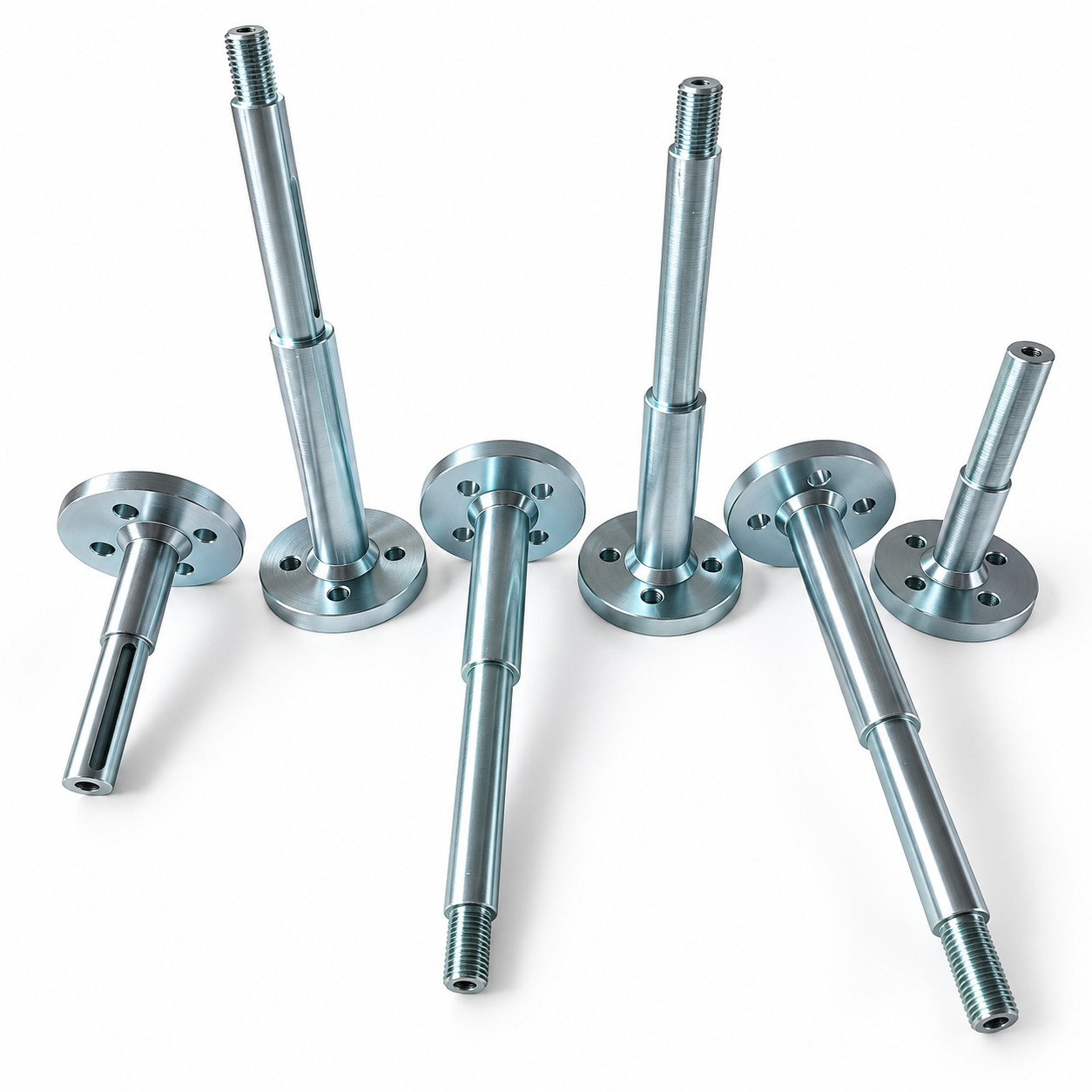
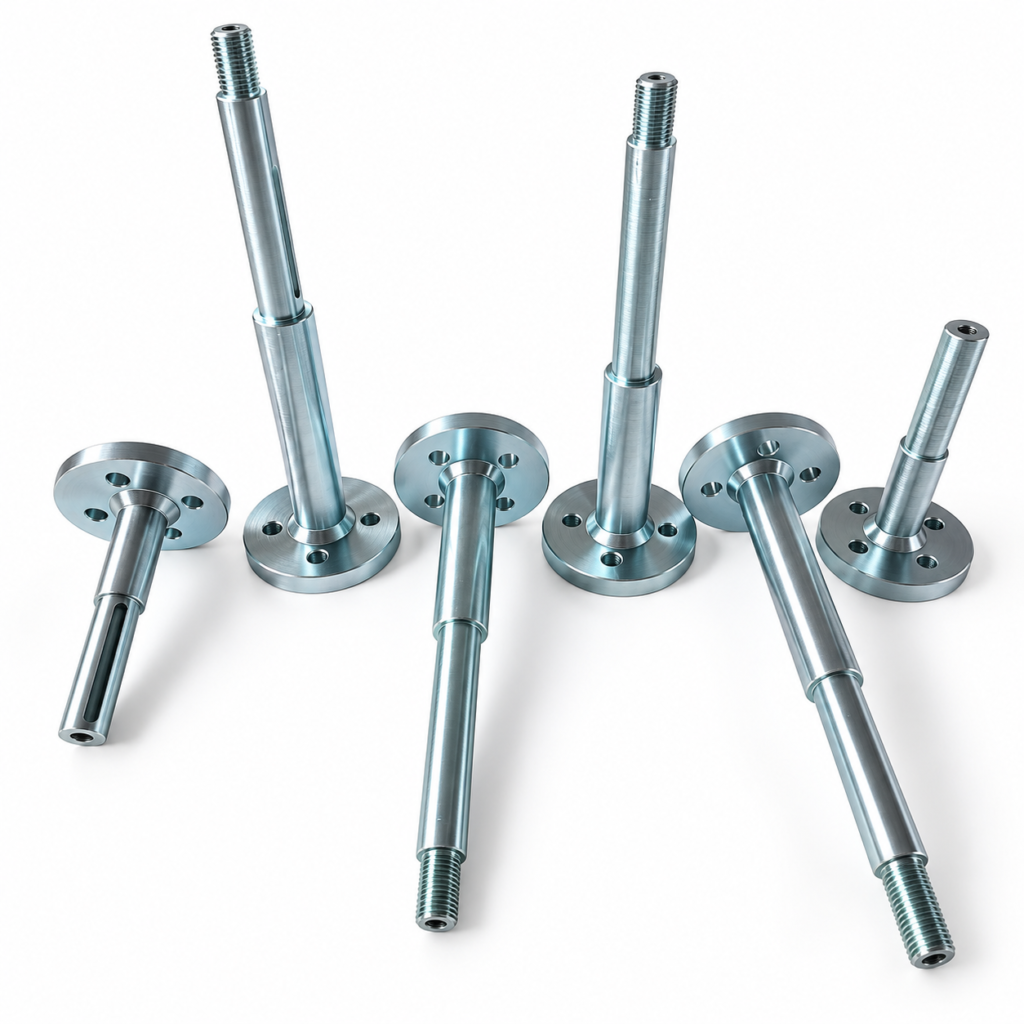
Automatic Car Wash Machine Shaft
Reliable Shaft Components for Automatic Car Wash Systems, OEM Equipment, and Replacement Applications
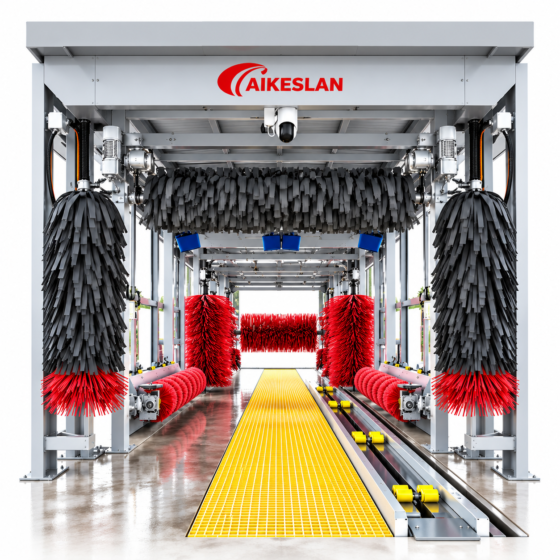
An automatic car wash machine shaft is an important mechanical component used to support rotation, transmit power, and connect moving parts in commercial vehicle washing equipment.
From rotating brush assemblies to conveyor drive systems, a well-matched shaft helps equipment operate smoothly under normal working loads.
Automatic car wash machines often run through repeated washing cycles. As a result, their mechanical components must handle rotation, torque, vibration, and frequent exposure to wet conditions.
A correctly selected shaft helps support reliable power transmission, stable mechanical movement, and long-term equipment performance.
Our shaft product range is intended for different automatic car wash applications, including brush systems, drive assemblies, conveyor mechanisms, and equipment replacement projects.
Whether you are building a new machine or replacing a worn component, choosing the correct shaft dimensions, material, and connection design is essential.
Key Product Highlights
- Shaft solutions for automatic car wash equipment
- Options for drive shafts, brush shafts, and transmission shafts
- Mechanical designs for rotating and power transmission applications
- Selection based on shaft diameter, length, and connection requirements
- Material and surface treatment options for different working conditions
- Compatibility review for motors, bearings, couplings, and gearboxes
- Replacement shaft solutions for commercial washing equipment
- Technical drawing and dimensional matching for OEM projects
- Suitable applications in tunnel and rollover car wash equipment
- B2B purchasing inquiries for maintenance and equipment manufacturing
Need a replacement shaft or a shaft for a new car wash machine?
Contact us with your shaft dimensions, technical drawing, equipment model, and required quantity.
Request a Quote | Contact Us | Send Your Shaft Drawing
What Is an Automatic Car Wash Machine Shaft?
An automatic car wash machine shaft is a mechanical part that supports or transfers rotational motion within a vehicle washing system.
Depending on its function, the shaft may connect a motor to a gearbox, carry a rotating brush, support a conveyor drive, or link different mechanical components.
Some shafts transfer torque directly. Others provide support for rotating assemblies or act as part of a larger transmission system.
Therefore, shaft design depends on its operating role.
For example, a brush shaft helps support the rotation of a cleaning brush. Meanwhile, a drive shaft can transmit torque from a motor or gearbox to another machine component.
In simple terms, a car wash machine shaft is a mechanical component that connects, supports, or drives rotating parts in automatic washing equipment.
The correct design helps reduce unwanted movement and supports reliable operation.
However, shaft performance depends on more than the material alone. Dimensions, loading, bearing support, alignment, manufacturing quality, and maintenance are also important.
How Does a Car Wash Machine Shaft Work?
A shaft commonly works as part of a mechanical drive assembly.
First, a motor generates rotational motion.
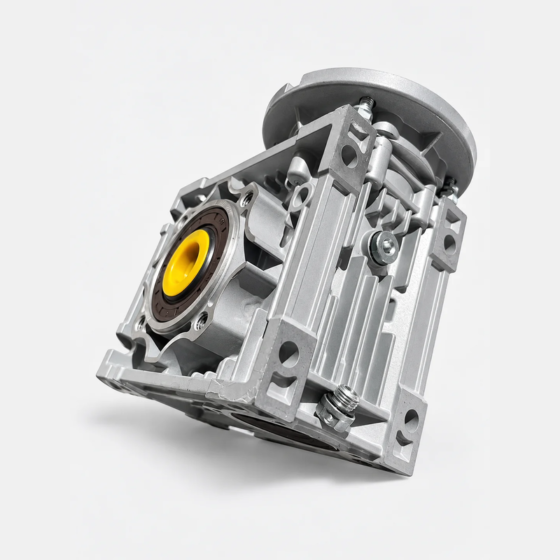
Next, a gearbox, coupling, or other transmission component transfers motion toward the shaft.
The shaft then rotates or supports a rotating component.
For example, when a shaft is connected to a brush assembly, the rotation can drive the brush during the washing process.
In a conveyor mechanism, the shaft may transfer torque to a sprocket or roller.
As a result, the shaft helps connect mechanical power to the required machine movement.
Key Features of Automatic Car Wash Machine Shafts
1. Reliable Mechanical Power Transmission
A properly designed shaft helps transmit torque between connected machine components.
For example, the shaft may connect a gearbox to a rotating brush or conveyor mechanism.
Correct sizing is important because torque creates mechanical stress.
Therefore, shaft diameter, material, and connection design should match the expected operating load.
2. Stable Rotation and Alignment
Smooth shaft rotation depends on correct manufacturing dimensions and installation.
Proper bearing support and alignment help reduce unwanted vibration.
In addition, suitable shaft straightness and connection tolerances support stable mechanical movement.
However, acceptable tolerances depend on the specific machine design.
3. Material Options for Different Working Conditions
Automatic car wash equipment may operate near water spray, cleaning chemicals, and changing temperatures.
Therefore, material selection is an important part of shaft design.
Common industrial shaft materials may include carbon steel, alloy steel, and stainless steel.
Each material offers different strength, corrosion resistance, and manufacturing characteristics.
The final choice depends on the application.
4. Flexible Shaft Dimensions
Different car wash machines use different mechanical layouts.
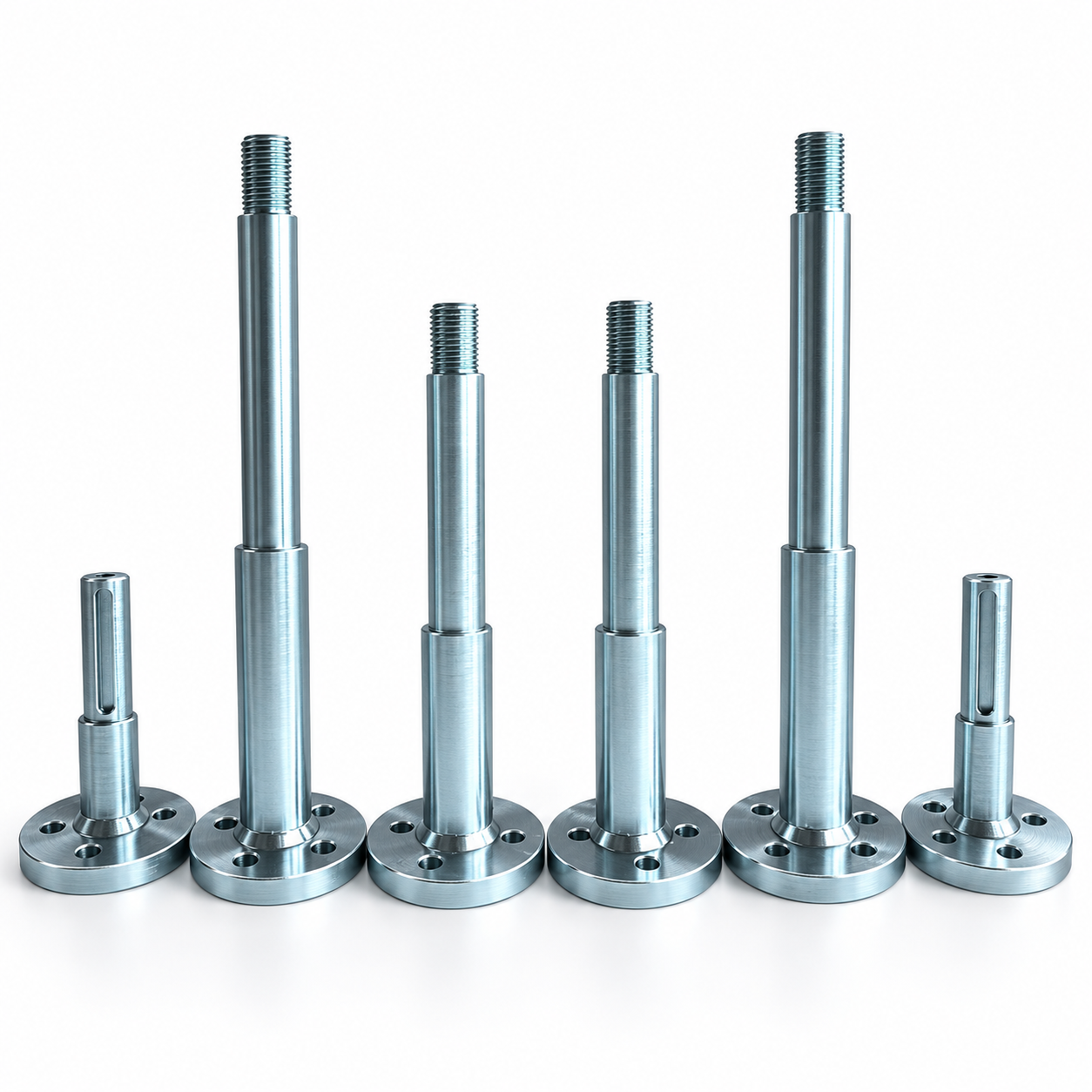
As a result, shaft diameter, length, shoulders, keyways, and threaded ends may vary.
For OEM and replacement projects, accurate dimensional matching helps improve equipment compatibility.
5. Compatibility With Drive Components
A shaft may connect to several mechanical components.
These can include:
- Electric motors
- Speed reducers
- Bearings
- Couplings
- Sprockets
- Pulleys
- Brush assemblies
- Conveyor drive systems
Therefore, connection dimensions must be reviewed before installation.
6. Surface Protection for Wet Environments
Some shaft applications require protective coatings or corrosion-resistant materials.
These measures may help reduce surface corrosion under suitable conditions.
However, coating and material compatibility must be checked against the actual washing chemicals and operating environment.
7. Maintenance and Replacement Support
Worn or damaged shafts can affect the complete drive system.
For example, excessive shaft wear may lead to poor alignment or vibration.
Therefore, timely inspection and accurate replacement help support normal equipment operation.
Main Types of Automatic Car Wash Machine Shafts
Different shafts perform different functions within commercial car wash equipment.
Car Wash Drive Shaft
A car wash drive shaft transfers rotational power from one mechanical component to another.
It may be connected to a motor, reducer, coupling, or other drive element.
The required shaft design depends on torque, rotational speed, and mounting arrangement.
Common applications:
- Mechanical drive assemblies
- Brush drive connections
- Conveyor drive mechanisms
- Rotating equipment components
Automatic Car Wash Brush Shaft
A car wash brush shaft supports or drives a rotating cleaning brush.
It may be used in vertical brushes, horizontal brushes, or other brush assemblies.
The shaft design must match the brush mounting structure and operating load.
For example, the shaft may require specific bearing locations and end connections.
Correct shaft alignment is also important for smooth brush rotation.
Car Wash Transmission Shaft
A transmission shaft is used to transfer mechanical rotation or torque between connected drive elements.
Depending on the system, it may work with couplings, gears, or other transmission components.
Suitable shaft strength and alignment help support reliable operation.
Car Wash Conveyor Shaft
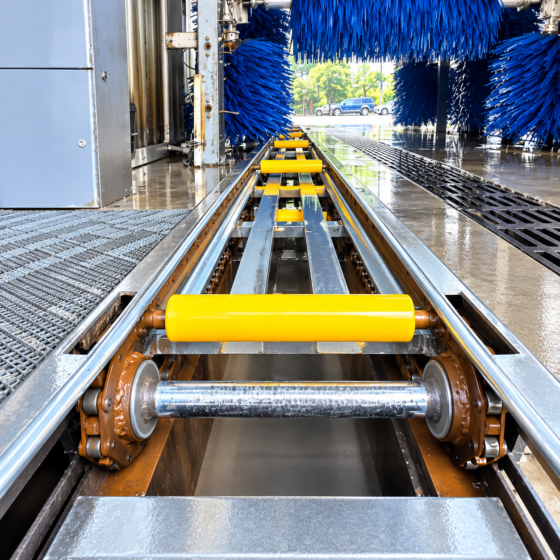
Some tunnel car wash systems use mechanical conveyors to move vehicles through the washing process.
Shafts may form part of the conveyor drive or support system.
These components should be selected according to the conveyor layout and operating requirements.
Not every automatic car wash machine uses the same type of conveyor.
Therefore, compatibility should be checked against the actual equipment design.
Stainless Steel Car Wash Shaft
Stainless steel shafts may be selected where corrosion resistance is important.
However, stainless steel grades differ in strength and corrosion performance.
For example, the required material depends on water conditions, cleaning chemicals, and mechanical load.
Custom Shaft for Automatic Car Wash Equipment
Custom shafts may be required when standard dimensions do not match the machine.
In these cases, a technical drawing helps define the required size and geometry.
Important details may include shaft diameter, overall length, keyways, threads, bearing seats, and surface finish.
Automatic Car Wash Machine Shaft Technical Specifications
The following table outlines the main specifications used to select a suitable shaft.
| Specification | Description |
|---|---|
| Product Name | Automatic Car Wash Machine Shaft |
| Product Category | Mechanical Shaft / Power Transmission Component |
| Shaft Type | Drive Shaft / Brush Shaft / Transmission Shaft |
| Material | According to selected model or drawing |
| Shaft Diameter | Based on equipment requirements |
| Overall Length | According to product specification |
| Shaft Geometry | Straight / Stepped / Other Engineered Design |
| End Connection | Keyway / Thread / Spline / Coupling Interface |
| Bearing Seat Dimensions | According to bearing requirements |
| Surface Treatment | According to material and application |
| Surface Finish | Drawing-specific |
| Dimensional Tolerance | According to approved drawing |
| Straightness | According to mechanical requirements |
| Rotational Speed | Based on application rating |
| Torque Capacity | Based on design and material |
| Operating Environment | According to material and protection |
| Application | Commercial Automatic Car Wash Equipment |
| Replacement Compatibility | Subject to technical verification |
| OEM Requirements | Based on drawings and project review |
Important: This specification table is a selection guide. Exact materials, dimensions, torque limits, and manufacturing capabilities must be confirmed for the actual product model.
Materials Used in Automatic Car Wash Machine Shafts
Shaft material affects strength, wear resistance, corrosion protection, and cost.
Automatic Car Wash Machine Shaft
Therefore, the material should be selected according to the operating conditions.
Carbon Steel Shafts
Carbon steel is widely used for industrial mechanical components.
Depending on the grade, it may provide a practical balance of strength, machinability, and cost.
However, unprotected carbon steel may corrode when exposed to moisture.
Therefore, suitable surface protection may be needed.
Alloy Steel Shafts
Alloy steels may be used for applications that require specific mechanical properties.
Depending on the grade and heat treatment, they can provide higher strength or improved wear resistance.
However, material selection must consider the complete mechanical design.
Stainless Steel Shafts
Stainless steel can provide corrosion resistance in suitable environments.
This may be useful for equipment exposed to water and cleaning chemicals.
However, stainless steel is not automatically resistant to every chemical or operating condition.
The correct grade should be selected after reviewing the environment and mechanical load.
Surface Treatments and Coatings
Certain shaft designs may use protective coatings, plating, or heat treatment.
These processes can affect surface hardness, wear resistance, and corrosion protection.
However, available treatments depend on the material and product specifications.
Important Design Factors for Car Wash Drive Shafts
Shaft Diameter
Shaft diameter affects the ability to resist torque and bending loads.
A shaft that is too small may experience excessive stress or deflection.
Therefore, diameter selection should consider actual loading and safety requirements.
Shaft Length
Shaft length affects installation and mechanical support.
Long shafts may require careful review of deflection, alignment, and rotational behavior.
Torque Requirements
Torque is the turning force transmitted through the shaft.
The required torque depends on the connected equipment and operating conditions.
For example, a brush drive and conveyor drive may have different torque requirements.
Rotational Speed
Rotational speed is commonly measured in revolutions per minute, or RPM.
The shaft and connected components must be suitable for the intended speed.
At higher speeds, balance and vibration become increasingly important.
Bearing Support
Bearings support rotating shafts and help maintain their position.
Therefore, bearing seat dimensions and alignment must match the selected bearing arrangement.
Keyways and Splines
Keyways and splines may be used to connect shafts with couplings, gears, or sprockets.
These connections help transfer torque.
However, their dimensions and load capacity must be checked carefully.
Shaft Straightness
Shaft straightness can affect rotation and alignment.
Excessive bending or poor straightness may contribute to vibration and premature wear.
Surface Finish
Surface finish is important at bearing seats, seal contact areas, and certain mechanical interfaces.
Therefore, critical surfaces should meet the drawing requirements.
How to Choose the Right Automatic Car Wash Machine Shaft
Choosing a suitable replacement or OEM shaft requires accurate technical information.
Step 1: Identify the Shaft Application
First, determine whether the shaft is used for a brush, conveyor, drive system, or other mechanism.
This helps define the required design.
Step 2: Check the Machine Model
Next, identify the automatic car wash equipment brand and model.
For replacement projects, the original part number may also help.
Step 3: Measure Shaft Dimensions
Measure the overall length, main diameter, stepped sections, and connection features.
Also, check bearing seat dimensions.
Step 4: Confirm Material Requirements
Review the expected load, moisture exposure, and chemical environment.
Select a suitable material for these conditions.
Step 5: Check Torque and Speed
The shaft must withstand the intended rotational speed and operating loads.
Therefore, mechanical load information should be reviewed during selection.
Step 6: Review Connection Details
Check keyways, splines, threads, couplings, and other interfaces.
Incorrect connections can prevent installation or cause mechanical problems.
Step 7: Confirm Drawing Tolerances
Critical dimensions may require specific tolerances.
For OEM projects, an approved technical drawing is especially useful.
Step 8: Verify Replacement Compatibility
Finally, compare the proposed shaft with the original component.
A similar appearance does not guarantee compatibility.
Applications of Automatic Car Wash Machine Shafts
Tunnel Automatic Car Wash Systems
Tunnel car wash equipment may include several mechanical drive and conveyor assemblies.
Shafts can help transmit rotation and support moving components in these systems.
Depending on the equipment layout, they may be used in brush drives, conveyor mechanisms, or other rotating assemblies.
Rollover Automatic Car Wash Machines
Rollover car wash machines move washing equipment around a stationary vehicle.
Some designs include rotating brushes and other mechanical drive components.
Shafts may be used to support these movements.
Brush-Type Automatic Car Wash Equipment
Brush-type washing systems use rotating brushes to clean vehicle surfaces.
Suitable shafts help support brush assemblies and transmit rotation.
Correct shaft design contributes to mechanical stability.
Touchless Car Wash Equipment
Touchless washing machines do not use brushes to contact vehicle surfaces.
However, some designs still contain shafts in motors, gearboxes, pumps, or other mechanical drive assemblies.
The required shaft type depends on the machine design.
Gas Station Car Wash Equipment
Automatic car wash machines at gas stations may operate through frequent washing cycles.
Suitable mechanical components help support reliable service.
Shafts used in drive assemblies should match the machine’s expected duty.
Commercial Fleet Washing Systems
Fleet washing equipment may clean larger vehicles such as vans, buses, and trucks.
These applications can have different mechanical loads and equipment layouts.
Therefore, shaft requirements should be reviewed for the specific system.
Why Choose Our Automatic Car Wash Machine Shaft Solutions?
1. Reliable Power Transmission
A properly selected shaft helps transfer mechanical rotation and torque between connected parts.
As a result, it supports smooth equipment operation.
2. Suitable Material Selection
Different working conditions require different shaft materials.
Therefore, matching material properties to the application helps improve reliability.
3. Accurate Dimensional Compatibility
Correct dimensions are essential for shaft installation.
A suitable shaft must match bearings, couplings, gearboxes, and related components.
4. Options for Different Applications
Automatic car wash machines use different shaft designs.
We welcome inquiries for brush shafts, drive shafts, transmission shafts, and compatible replacement parts.
5. Practical Maintenance and Replacement
Compatible replacement shafts help restore worn or damaged mechanical assemblies.
Accurate drawings and specifications simplify replacement planning.
6. OEM and B2B Project Support
We welcome technical inquiries from automatic car wash manufacturers, equipment distributors, and maintenance companies.
Project requirements can be reviewed using drawings, dimensions, and order quantities.
Automatic Car Wash Drive Shaft vs. Brush Shaft
Although these components may look similar, they serve different purposes.
| Feature | Drive Shaft | Brush Shaft |
|---|---|---|
| Primary Function | Transmits mechanical torque | Supports or drives brush rotation |
| Common Connection | Motor, gearbox, coupling | Brush assembly, bearings, drive parts |
| Key Selection Factors | Torque, speed, connection | Brush mounting, support, rotation |
| Typical Application | Transmission system | Brush cleaning system |
| Replacement Requirements | Match drive interfaces | Match brush and bearing interfaces |
Some brush shafts also transmit drive torque.
Therefore, the terms are not always mutually exclusive.
The correct replacement should be selected by its actual mechanical design.
Automatic Car Wash Machine Shaft Replacement Guide
Mechanical shafts can wear or become damaged over time.
Common causes include misalignment, excessive load, corrosion, poor lubrication of related bearings, and improper installation.
Signs That a Shaft May Need Inspection
- Excessive vibration
- Unusual mechanical noise
- Visible bending
- Surface corrosion
- Worn bearing seats
- Damaged keyways
- Loose drive connections
- Irregular brush rotation
- Difficulty maintaining alignment
However, these symptoms may also involve bearings, couplings, gearboxes, or other mechanical components.
Therefore, inspect the complete drive assembly before replacing the shaft.
How to Identify a Compatible Replacement Shaft
For replacement inquiries, please provide:
- Equipment manufacturer and model
- Original shaft part number, if available
- Overall shaft length
- Shaft diameter
- Material information
- Keyway or spline dimensions
- Bearing seat dimensions
- Thread specifications
- Photos or technical drawings
- Required quantity
These details help reduce the risk of ordering an incompatible component.
Maintenance Tips for Automatic Car Wash Shafts
Regular inspection helps identify mechanical problems before they become more serious.
Check Shaft Alignment
Poor alignment can increase load on bearings and couplings.
Therefore, inspect alignment when unusual vibration or wear appears.
Inspect Bearing Areas
Look for wear at bearing seats and related contact surfaces.
Damaged bearing interfaces may affect shaft support.
Monitor Corrosion
Check exposed shaft surfaces for rust or chemical damage.
Suitable cleaning and protection methods depend on the material.
Check Couplings and Fasteners
Loose connections may cause vibration or poor torque transmission.
Therefore, check connection hardware according to the maintenance schedule.
Inspect for Bending or Damage
A bent shaft may rotate unevenly.
If visible damage is found, stop operation and assess the component before further use.
Follow Safe Maintenance Procedures
Before inspection, isolate the equipment from electrical and mechanical energy sources.
Make sure rotating parts cannot start unexpectedly.
Maintenance should be performed by trained personnel.
OEM Automatic Car Wash Machine Shaft Solutions
Automatic car wash manufacturers may require shafts designed for specific machine layouts.

Automatic Car Wash Machine Shaft
These requirements may include nonstandard lengths, special end connections, or particular material grades.
For technical review, buyers should prepare clear drawings and operating information.
OEM Shaft Design Information
Useful details include:
- Shaft application
- Material grade
- Overall length
- Main diameter
- Stepped shaft dimensions
- Bearing seat details
- Keyway dimensions
- Thread and spline specifications
- Required surface finish
- Dimensional tolerances
- Expected speed and load
- Required quantity
Complete technical information helps suppliers evaluate manufacturing feasibility and compatibility.
Replacement Shaft Inquiries
For repair projects, the original shaft can serve as an important reference.
However, drawings and measurements are still recommended because wear may change the original dimensions.
Wholesale Shaft Purchasing
Distributors and maintenance companies may require multiple shaft models.
For wholesale inquiries, provide the required model list, technical specifications, and order quantity.
Automatic Car Wash Machine Shafts for European and North American Markets
International buyers may use different drawing formats, units, materials, and mechanical standards.
Therefore, clear technical communication is essential.
European Market Requirements
European equipment manufacturers often use metric dimensions.
For example, shaft drawings may specify millimeters, metric threads, and relevant ISO tolerances.
However, the applicable standards depend on the machine design.
North American Market Requirements
North American equipment may use imperial or metric shaft dimensions.
Buyers should confirm shaft diameter, thread types, bearing dimensions, and connection requirements.
Material grade equivalents should also be checked rather than assumed.
OEM Export Considerations
For international projects, technical documentation may include:
- Dimensional drawings
- Material specifications
- Surface treatment requirements
- Inspection criteria
- Packaging information
- Product identification details
The required documentation depends on the product and purchase agreement.
A mechanical shaft alone should not automatically be presented as carrying machine-level CE, UL, or other certifications.
Frequently Asked Questions About Automatic Car Wash Machine Shafts
1. What is an automatic car wash machine shaft?
An automatic car wash machine shaft is a mechanical component used to transmit rotation, support moving parts, or connect drive assemblies. It may be used in brush systems, conveyor mechanisms, and other rotating equipment.
2. What types of shafts are used in automatic car wash machines?
Common types include drive shafts, transmission shafts, brush shafts, and conveyor-related shafts. The correct type depends on the specific machine design.
3. How do I choose the right car wash machine shaft?
Check shaft diameter, length, material, torque requirements, bearing seats, and connection dimensions. For replacement projects, compare these details with the original shaft.
4. What materials are used for automatic car wash shafts?
Industrial shafts may use carbon steel, alloy steel, or stainless steel. The best material depends on mechanical load, corrosion exposure, and operating conditions.
5. Can stainless steel shafts be used in automatic car wash machines?
Yes. Stainless steel may be suitable for some wet or corrosive environments. However, the correct grade must be selected according to mechanical and chemical requirements.
6. What is the difference between a drive shaft and a brush shaft?
A drive shaft mainly transfers mechanical torque. A brush shaft supports or drives a rotating brush. In some designs, one shaft can perform both functions.
7. Can I replace my car wash machine shaft with another brand?
A compatible replacement may be possible. However, dimensions, material, load capacity, bearing interfaces, and connections must match.
8. Why does my car wash shaft vibrate?
Possible causes include misalignment, bending, bearing wear, imbalance, or loose couplings. Inspect the complete mechanical system to identify the cause.
9. How long does an automatic car wash machine shaft last?
Service life depends on material, load, alignment, corrosion exposure, and maintenance. Correct installation and routine inspection can help reduce premature failures.
10. Can a damaged shaft be repaired?
Some shaft damage may be repairable. However, suitability depends on the damage, material, operating load, and engineering requirements. Replacement may be safer or more practical in certain cases.
11. Are custom dimensions available for car wash machine shafts?
Custom shaft inquiries can be reviewed using technical drawings, dimensions, material requirements, and order quantities. Available manufacturing options depend on the supplier’s capabilities.
12. What information is needed for a replacement shaft?
Provide the equipment model, original part number, shaft dimensions, material, connection details, and photos or drawings.
13. Are these shafts suitable for tunnel car wash systems?
Suitable shafts may be used in tunnel car wash brush drives, conveyor assemblies, and related mechanisms. Exact compatibility depends on the equipment design.
14. Do you support OEM and wholesale car wash shaft orders?
We welcome OEM and wholesale inquiries. Please provide technical drawings, specifications, quantities, and delivery requirements for review.
15. How can I request a quote for an automatic car wash machine shaft?
Contact our sales team with your shaft drawing, dimensions, material, application, and required quantity. For replacement projects, include photos of the original part.
Packing & Delivery
Secure Packaging for Automatic Car Wash Machine Shafts
Proper packaging helps protect shafts during storage, handling, and international transportation.
Shafts may have precision-machined surfaces, threads, bearing seats, and keyways.
Therefore, these areas require suitable protection.
Packaging options may include:
- Protective wrapping for machined shaft surfaces
- Anti-rust materials where suitable
- Protection for threaded ends and keyways
- Strong cartons for small shaft components
- Wooden cases for heavy or long shafts
- Pallet packaging for bulk shipments
- Separate protective materials for precision surfaces
- Customized packaging arrangements upon request
The selected packaging method depends on shaft dimensions, weight, and transportation conditions.
International Shipping & Delivery
We welcome shipping inquiries from customers in Europe, North America, and other regions.
Suitable shipping options may include:
- Sea Freight: For bulk shaft orders and heavy mechanical components
- Air Freight: For urgent replacement requirements
- Express Shipping: For smaller shaft components and samples, subject to carrier limitations
Lead Time & Order Processing
Production and delivery times depend on shaft material, dimensions, machining requirements, order quantity, and customization needs.
Estimated lead times will be confirmed during quotation.
OEM & Bulk Order Packaging
For automatic car wash manufacturers and distributors, packaging requirements can be reviewed according to project needs.
Proper packaging helps reduce the risk of damage to precision shaft surfaces during transportation.
Why Work With Us for Car Wash Machine Shaft Inquiries?
Choosing a suitable shaft is important for reliable automatic car wash equipment operation.
The correct product must match the machine’s mechanical design and working conditions.
We welcome inquiries from:
- Automatic car wash machine manufacturers
- Car wash equipment distributors
- Industrial spare parts buyers
- Equipment maintenance companies
- Mechanical repair service providers
- OEM engineering teams
- Commercial car wash operators
- International wholesale buyers
For accurate technical review, please provide shaft dimensions, drawings, material requirements, and order quantities.
Request a Quote for Automatic Car Wash Machine Shafts
Find Suitable Drive Shafts, Brush Shafts, and Replacement Mechanical Parts
Automatic Car Wash Machine Shaft
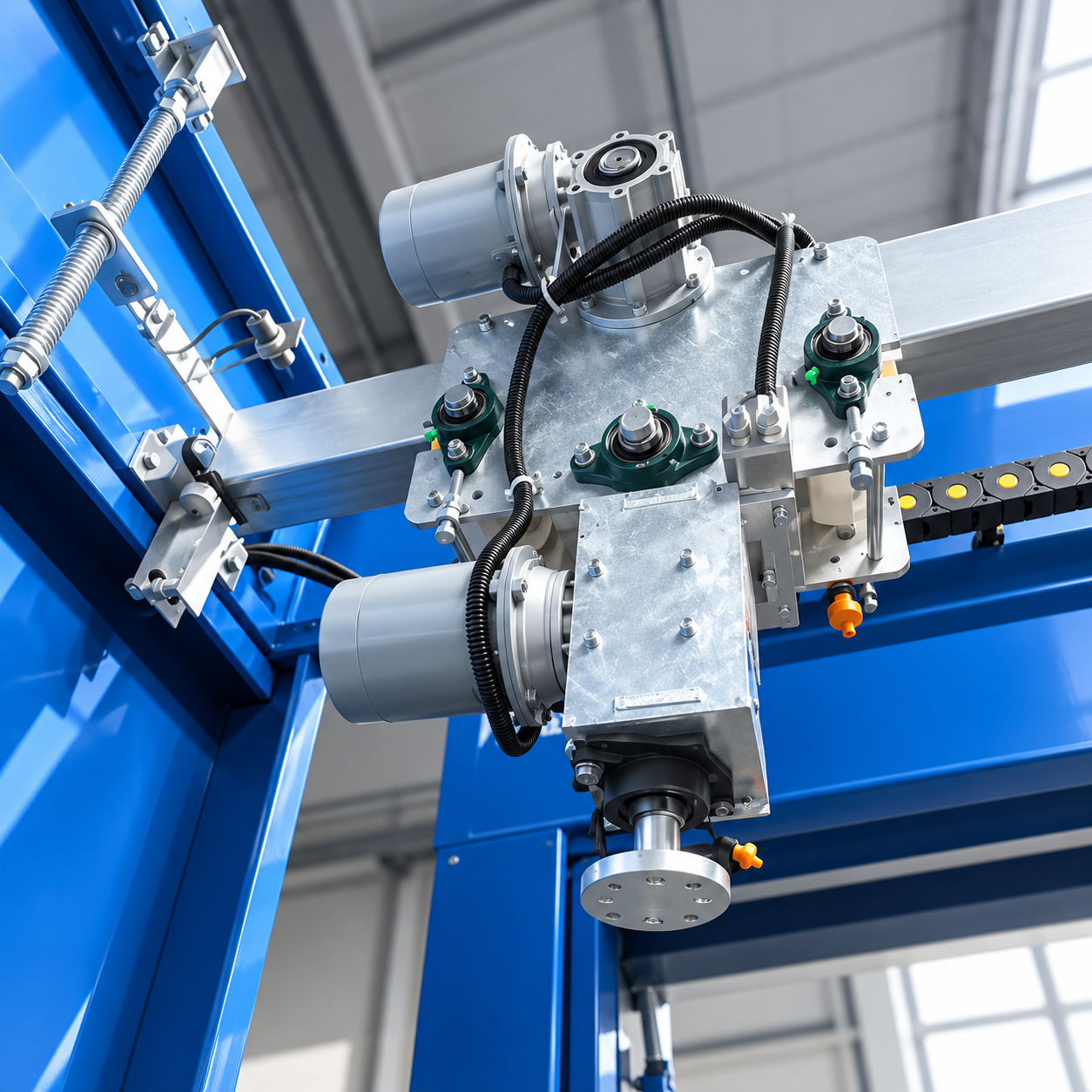
Are you looking for an automatic car wash machine shaft for a new equipment project or an existing machine?
We welcome inquiries for suitable drive shafts, transmission shafts, brush shafts, and replacement components.
Please send us:
- Shaft type and application
- Equipment model
- Shaft diameter and length
- Material requirements
- Connection dimensions
- Technical drawing or reference photos
- Required quantity
- Delivery destination
Accurate technical information helps identify compatible shaft configurations and supports efficient purchasing.
Contact us today to discuss your shaft requirements and request a quotation.
Request a Quote | Contact Us | Send Your Technical Drawing
A correctly selected automatic car wash machine shaft helps support stable rotation, reliable mechanical power transmission, and smooth commercial washing equipment operation.