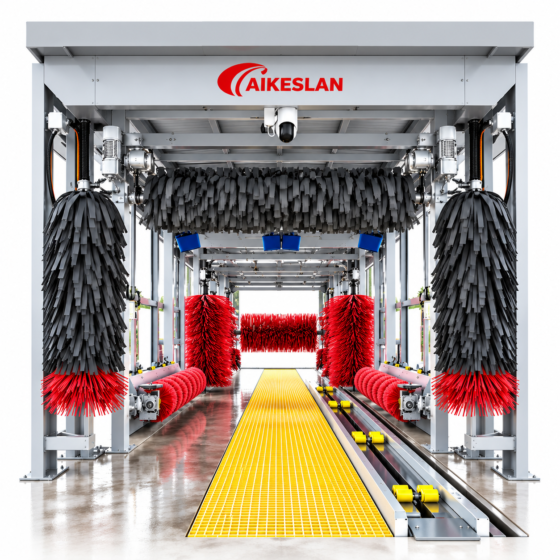
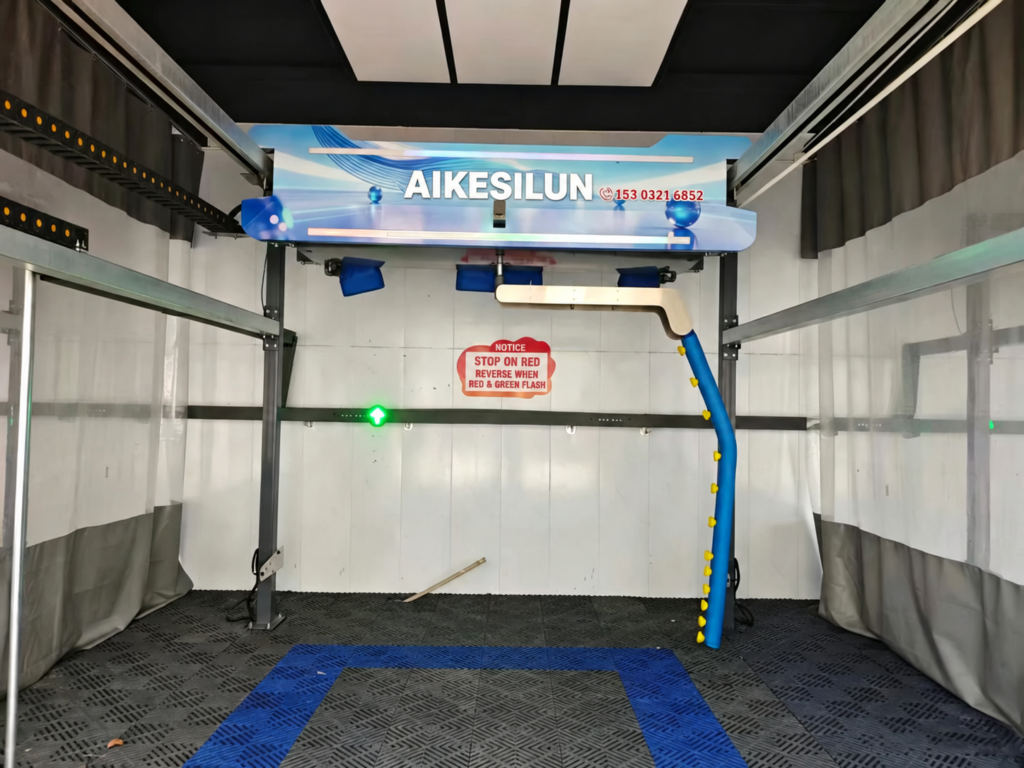
Touchless Automatic Car Wash Machine for Commercial Use

Advanced Brush-Free Washing Technology for Modern Car Wash Businesses
Upgrade your car wash business with a touchless automatic car wash machine designed for commercial use. This system cleans vehicle exteriors with high-pressure water, professional cleaning solutions, and an automated wash process. As a result, it helps reduce direct contact with vehicle paint while delivering a more consistent wash experience.
Whether you operate a car wash center, gas station, dealership, rental fleet, or self-service wash site, a commercial touchless car wash system can support your daily business needs. In addition, flexible wash programs and optional drying, payment, and control features can help you build a solution that fits your site.
Looking for a reliable automatic car wash machine for your next project? Tell us about your site, target vehicles, and business goals. Our team can help you select a suitable configuration and prepare a tailored quotation.
Key Benefits at a Glance
- Brush-free exterior washing to reduce the risk of brush-related marks.
- High-pressure water cleaning combined with suitable detergents.
- Automated wash stages for a more repeatable process.
- Flexible options for drying, chemical dosing, and site control.
- Suitable for many commercial car wash and vehicle service settings.
- Configurable solutions based on local power, water, space, and operating needs.
Call to Action: Request a Quote | Get Product Specifications
What Is a Touchless Automatic Car Wash Machine?
A touchless automatic car wash machine is a vehicle cleaning system that washes the exterior without using wash brushes to scrub the body. Instead, it uses pressurized water, cleaning chemicals, and a programmed wash cycle to remove dirt from vehicle surfaces.
Depending on the model, the system may include a moving gantry, high-pressure spray arms, vehicle detection sensors, chemical dosing equipment, and an air-drying unit. These components work together to support an automated washing process.
Unlike a traditional brush car wash, a touchless system avoids direct brush contact with the vehicle body. Therefore, it can be a good choice for businesses that want to offer a brush-free wash service.
However, cleaning results still depend on the detergent, water quality, spray coverage, and type of dirt. For example, heavy mud and stubborn road film may require a longer wash cycle or extra treatment.
Key Features of Our Commercial Touchless Car Wash System
1. Brush-Free High-Pressure Washing
The system uses pressurized water and suitable cleaning solutions to clean the vehicle exterior without body-contact wash brushes. This approach helps reduce the risk of scratches caused by dirty or worn brushes.
Moreover, a well-planned spray pattern helps cover key areas of the vehicle during the wash cycle. The actual pressure, flow rate, and spray-arm design depend on the selected model.
2. Automated Vehicle Washing Process
Automation helps make daily operation easier and more consistent. Depending on the configuration, the machine can run programmed stages for pre-treatment, foam application, high-pressure washing, rinsing, and optional finishing treatments.
As a result, operators can provide a more structured wash service. In addition, automated operation can reduce the need for staff to carry out each washing step by hand.
3. Intelligent Vehicle Detection and Positioning
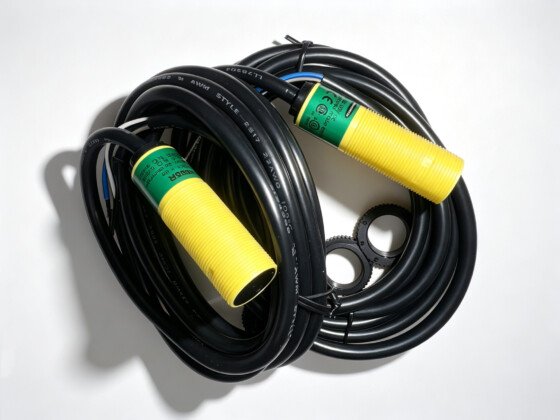
Vehicle detection features can help the machine identify vehicle position and guide the wash process. Depending on the model, available options may include ultrasonic sensors, vehicle profile detection, or width detection.
These functions can help the system adapt its movement and spray coverage to different vehicle shapes. However, the supported vehicle dimensions and sensor functions should be confirmed before ordering.
4. Automatic Chemical Dosing
Correct chemical dosing is important for touchless washing because the cleaning process relies on both water pressure and detergent performance.
An automatic dosing system can deliver cleaning solutions according to the selected wash program. This helps support a more repeatable process and can reduce unnecessary chemical use when properly adjusted.
For best results, choose detergents that match the equipment, local water conditions, and types of dirt commonly found on vehicles.
5. Optional Automatic Air Drying
For businesses that want a more complete service, an automatic car wash system with a dryer can combine washing, rinsing, and air drying in one process.
Depending on the model, the drying system may use top-mounted blowers, side blowers, or a combination of both. The number and power of the blowers affect drying performance, so they should be selected based on your service goals and budget.
6. Flexible Wash Programs and Control Options
Different customers have different needs. Therefore, flexible wash programs can help operators offer more than one service level.
Depending on the selected configuration, options may include different wash cycles, foam application, wax treatment, spot-free rinsing, payment integration, and remote monitoring.
These features can help you build a service menu that suits your location. Available functions should be confirmed for each model before purchase.
Why Choose a Touchless Automatic Car Wash Machine?
Help Protect Vehicle Paint
Brush-free washing removes direct brush contact from the cleaning process. This can help reduce the risk of brush-related scratches and marks, especially when the equipment and wash process are maintained correctly.
However, touchless washing does not guarantee zero paint damage. Poor chemicals, trapped debris, incorrect operation, or unsuitable water conditions may still affect the vehicle finish.
Support More Consistent Daily Operations
A programmed wash cycle helps standardize the main cleaning stages. As a result, operators can follow a repeatable process instead of relying only on manual washing methods.
This can be useful for businesses that serve many customers or operate across several locations. Actual throughput will depend on cycle time, vehicle positioning, site traffic, and the selected wash program.
Reduce the Need for Manual Washing Work
Automation can reduce the amount of hands-on work needed for each vehicle. This allows staff to focus on customer service, site management, equipment checks, and other business tasks.
For unattended or self-service sites, optional payment and control systems may provide added convenience. Still, staffing needs depend on local rules, maintenance duties, and the way the site operates.
Create More Flexible Service Options
A commercial touchless car wash machine can support different wash packages, depending on its configuration. For example, operators may offer a basic exterior wash, a foam wash, or a premium program with extra finishing steps.
As a result, businesses can match their service menu to local demand. Before choosing optional features, compare their cost with customer needs and expected use.
Plan Your Investment Around Your Site
The right machine should fit your space, utility supply, customer volume, and budget. Therefore, it is important to assess the full installation before making a purchase.
Consider the wash bay, drainage, water treatment, power supply, winter conditions, and local service support. With these details in place, you can make a better decision about the equipment and its long-term operating needs.
Applications of Touchless Car Wash Equipment
Car Wash Centers
Commercial car wash centers need a clear service process and equipment that fits their target customer volume. A touchless automatic car wash machine can help operators offer brush-free exterior cleaning with a range of wash programs.
In addition, optional drying and payment features may support a more complete customer experience.
Gas Stations and Fuel Stations
Gas stations can add vehicle washing as an extra customer service. A touchless car wash system may fit sites that have enough space for a dedicated wash bay, suitable drainage, and the required utilities.
Before installation, check vehicle access, traffic flow, water supply, and local environmental rules.
Car Dealerships and Vehicle Showrooms
Dealerships often need a consistent way to clean vehicles before display, delivery, or customer handover. A brush-free washing process can be useful when operators want to limit direct brush contact with vehicle paint.
The final setup should match the types of vehicles handled and the required finish.
Rental Car and Fleet Operators
Rental companies and fleet operators may wash many vehicles as part of their daily operations. An automated system can help standardize the wash process and reduce some manual work.
Before choosing a model, review fleet size, peak demand, vehicle dimensions, and the expected number of washes per day.
Self-Service and Unattended Car Wash Sites
A self-service or unattended wash site may benefit from optional payment integration and automated controls. These features can help customers start a wash without direct staff assistance.
However, unattended operation requires suitable safety systems, clear instructions, regular maintenance, and a plan for handling faults or customer issues.
How Does a Touchless Automatic Car Wash Machine Work?
A typical touchless wash cycle includes several stages. The exact process varies by model and selected program.
Step 1: Vehicle Positioning
The driver parks the vehicle in the marked wash bay. If supported, vehicle detection sensors help identify its position and dimensions.
Step 2: Pre-Treatment and Foam Application
The system applies a suitable cleaning solution or foam to help loosen dirt and road film. The solution then remains on the surface for the required dwell time.
Step 3: High-Pressure Washing
High-pressure water jets clean the vehicle exterior. Depending on the machine design, spray arms or a moving gantry cover the front, sides, roof, and rear.
Step 4: Rinsing
The system rinses away detergent and loosened dirt. Optional treatments, such as a wax application or spot-free final rinse, may be available on selected models.
Step 5: Automatic Drying
If the machine includes a drying unit, air blowers remove water from the vehicle surface. The final drying result depends on blower design, vehicle shape, water quality, and environmental conditions.
Together, these stages provide an automated wash process with less direct contact between the machine and the vehicle body.
Technical Capabilities and Configuration Options
Every car wash project has different requirements. Therefore, we recommend selecting the machine based on the real needs of your site rather than choosing equipment by price alone.
Depending on the model, the following features may be available:
- Washing system: High-pressure pumps and spray arms for brush-free cleaning.
- Vehicle detection: Sensors or profile detection to support vehicle positioning.
- Chemical system: Automatic dosing for compatible cleaning products.
- Drying system: Optional top and side blowers.
- Wash programs: Configurable cycles and finishing treatments.
- Control system: Automated sequence control and operating status display.
- Payment options: Optional payment terminals or compatible payment integration.
- Remote management: Available on selected configurations.
- Water treatment: Optional water softening, filtration, or recycling equipment, subject to project needs.
- Cold-weather options: Heating or frost-protection measures where supported by the selected model.
Technical Specifications
The final specifications depend on the selected model and configuration. Please use the following checklist when requesting a quotation.
| Parameter | Details to Confirm |
|---|---|
| Machine type | Touchless automatic car wash machine |
| Washing method | Brush-free, high-pressure washing |
| Pump pressure and flow | Confirm for the selected model |
| Total installed power | Confirm the complete configuration |
| Power supply | Voltage, phase, and frequency |
| Vehicle size limit | Maximum length, width, and height |
| Wash cycle time | Depends on the selected program |
| Water consumption | Confirm under stated test conditions |
| Chemical consumption | Depends on dosage and wash program |
| Drying system | None, top blowers, side blowers, or combined |
| Control system | Confirm standard and optional functions |
| Installation space | Confirm bay dimensions and service clearance |
| Water recycling | Optional, if supported |
| Warranty and support | Confirm in the commercial offer |
For an accurate quotation, please provide your target vehicle types, expected daily washes, available site dimensions, local power supply, and water conditions. We can then assess the required configuration.
How to Choose the Right Commercial Touchless Car Wash Machine

Choosing the right system starts with your business plan. The following points can help you compare different machines.
1. Match the Machine to Your Vehicle Types
Start with the vehicles you expect to wash. Passenger cars, SUVs, and vans may require different clearance and detection settings.
Therefore, confirm the maximum supported vehicle length, width, and height before ordering.
2. Estimate Daily Wash Volume
Think about your expected number of washes per day and your busiest hours. A busy site may need a different setup from a small dealership or a local self-service wash.
Also, allow time for vehicle entry, positioning, payment, and exit when estimating site capacity.
3. Check Water and Power Requirements
Water pressure, water quality, drainage, and electrical supply can affect both installation and operation.
For example, hard water may leave mineral marks on vehicle surfaces. Water treatment or a spot-free rinse system may help, depending on local conditions.
Likewise, confirm the required voltage, frequency, phase, total load, and electrical protection with a qualified installer.
4. Compare Drying and Finishing Options
Some businesses need a basic wash, while others want to offer a premium service. Compare the available drying system, chemical options, and finishing programs against your customers’ expectations.
This helps you avoid paying for features that your site may not need.
5. Plan Maintenance and Local Support
Routine checks, cleaning, chemical calibration, and timely replacement of wear parts help keep the system working as intended.
Before purchase, ask about the maintenance schedule, spare parts, technical documents, operator training, and after-sales support.
Designed for EU and North American B2B Projects
A successful installation requires more than the machine itself. It also needs to match local site conditions, utility requirements, safety rules, and environmental obligations.
For European Projects
Before ordering, confirm the applicable machinery safety requirements, electrical standards, installation rules, and documentation for the destination country.
Also, assess water discharge, detergent handling, water use, and any local water recycling requirements. Depending on the site, drainage approval and wastewater treatment may be needed.
Ask the supplier to identify the applicable conformity assessment, technical documents, declarations, and marking requirements for the exact machine configuration. Do not assume that a CE mark or a particular certificate applies unless the supporting documents are available and verified.
For North American Projects
For projects in the United States and Canada, confirm the local electrical supply, building requirements, drainage rules, and wastewater requirements before installation.
Depending on the location and authority having jurisdiction, electrical equipment approval, site permits, backflow prevention, and other inspections may apply.
In addition, check whether the machine supports the local voltage, phase, and frequency. If the equipment will operate outdoors or in a cold climate, review enclosure protection, freeze protection, and winter maintenance needs.
Project Planning and Installation Support
To help reduce delays, prepare the following information before placing an order:
- Site layout and available wash bay dimensions.
- Target vehicle types and maximum vehicle size.
- Expected daily wash volume.
- Local electrical supply and water conditions.
- Drainage and wastewater arrangements.
- Required payment, drying, and water treatment options.
- Delivery location and installation plan.
- Local compliance and inspection requirements.
With these details, the supplier can prepare a more accurate proposal and identify possible installation issues earlier.
Why Work With a Professional Car Wash Equipment Supplier?
The right equipment partner should help you assess the project, select a suitable configuration, and plan for long-term operation.
When comparing suppliers, look beyond the purchase price. Instead, review the following points:
- Product fit: Does the machine match your vehicle types and expected wash volume?
- Technical clarity: Are the specifications and utility requirements clearly stated?
- Configuration options: Can you select the drying, dosing, payment, and water treatment features you need?
- Installation planning: Are site preparation and commissioning requirements documented?
- Maintenance support: Are spare parts, manuals, and service guidance available?
- Commercial terms: Are delivery, warranty, payment terms, and after-sales responsibilities clear?
A clear quotation and a well-defined scope of supply can help you compare suppliers more fairly and reduce uncertainty before purchase.
Request a Quote for a Touchless Automatic Car Wash Machine

Planning a new car wash site or upgrading an existing facility? We can help you evaluate the machine configuration based on your business goals and site conditions.
Share a few project details so we can prepare a more relevant proposal.
Please include:
- Country and installation location.
- Business type, such as a car wash center, gas station, dealership, or fleet facility.
- Vehicle types and maximum vehicle size.
- Estimated number of washes per day.
- Available installation space.
- Local voltage and water supply.
- Preferred options, such as air drying, payment integration, or water recycling.
Once these details are available, we can review the requirements and recommend a suitable configuration for your project.
Request Your Quote Today
Contact our sales team to discuss specifications, available options, delivery, installation planning, and commercial terms.
Find the Right Touchless Car Wash Solution for Your Business.