
Automatic Car Wash Machine Cost
Automatic Car Wash Machine Cost: A Complete 2026 Price Guide
A Practical Guide to Equipment Prices, Installation, Shipping, Operating Costs, and Return on Investment
How Much Does an Automatic Car Wash Machine Cost in 2026?
The automatic car wash machine cost depends on the type of equipment, cleaning technology, production capacity, optional features, and installation requirements. In 2026, indicative supplier-published estimates put touchless in-bay systems at around $15,000–$55,000, rollover systems at $20,000–$70,000, and tunnel equipment at $50,000–$350,000 or more. These are broad equipment-price estimates, not guaranteed quotations. Actual prices can fall outside these ranges, and a complete car wash project may cost much more once construction, utilities, shipping, and other site work are included.
For business owners, the purchase price is only the first part of the budget. A machine may need a new concrete foundation, water supply, drainage, electrical work, payment terminals, or water treatment equipment. In addition, buyers must consider spare parts, routine service, cleaning chemicals, and energy use.
Therefore, the best way to compare automatic car wash machines is to review both the initial investment and the total cost of ownership.
This guide explains the main cost factors for buyers in the United States, Canada, the United Kingdom, and the European Union. It also covers different machine types, installation costs, import expenses, operating costs, and practical ways to evaluate supplier quotations.
1. Automatic Car Wash Machine Price by System Type
Different automatic car wash systems serve different business needs. A compact in-bay machine may suit a fuel station with limited space. A conveyor tunnel may be more suitable for a dedicated car wash business with high customer demand.
The following table provides indicative planning ranges. Prices vary by supplier, configuration, destination, and project scope.
| Automatic Car Wash System | Indicative Equipment Cost (USD) | Typical Application |
|---|---|---|
| Touchless in-bay system | $15,000–$55,000 | Fuel stations and compact commercial sites |
| Rollover or gantry system | $20,000–$70,000 | Single-bay car washes and service stations |
| Tunnel conveyor equipment | $50,000–$350,000+ | Higher-volume commercial car washes |
| Customized or multi-stage system | Project-specific | Large sites with special capacity or integration needs |
These figures are not complete installed-project prices. Some supplier quotations may include selected accessories, while others cover only the main machine. A higher price may reflect stronger components, more wash programs, additional drying capacity, or a more complete package.
Before comparing prices, confirm exactly what each supplier includes.
Touchless Automatic Car Wash Machine Cost
A touchless automatic car wash uses high-pressure water and cleaning chemicals rather than brushes contacting the vehicle body.
This technology can appeal to customers who prefer non-contact washing. It may also suit locations where the operator wants to offer a distinct wash package.
However, the final price depends on the pump system, sensors, chemical delivery, controls, drying equipment, and available wash programs.
When comparing touchless machines, ask about:
- High-pressure pump specifications
- Water pressure and flow requirements
- Chemical dosing and wash-cycle control
- Vehicle detection and positioning
- Drying performance
- Water consumption per wash
- Spare parts and maintenance support
A lower initial price does not always mean lower operating costs. For example, a machine that uses more water or requires frequent service may become more expensive over time.
Rollover Car Wash Machine Cost
A rollover, also known as a gantry or in-bay automatic system, cleans a stationary vehicle while the machine moves around it.
This format is often considered by fuel stations, convenience stores, dealerships, and independent wash operators.
The cost depends on the cleaning method, structure, drive system, brushes or high-pressure equipment, control system, and drying options.
Some rollover machines focus on essential wash functions. Others offer multiple programs, advanced sensors, underbody washing, or additional finishing stages.
When comparing models, review the full technical specification rather than the machine name alone.
Tunnel Car Wash Machine Cost
A tunnel car wash moves vehicles through a sequence of cleaning stages using a conveyor or another vehicle-moving system.
It can support higher throughput than a single-bay machine when the site, staffing, and operating process are designed for that purpose.
However, tunnel equipment is only one part of the investment. A tunnel project may also need a building, conveyor foundations, multiple cleaning stations, drying equipment, traffic lanes, drainage, and a larger utility supply.
For this reason, the cost of tunnel machinery should never be treated as the full cost of opening a tunnel car wash.
Customized Commercial Car Wash Systems
Some buyers need a system designed around a specific property or business model.
For example, a fuel station may need payment integration. A distributor may require a specific electrical configuration. A fleet operator may prioritize vehicle dimensions, wash-cycle speed, or frequent daily operation.
Customization can affect the price, production schedule, and installation process.
Before requesting a quotation, define the required functions and operating conditions. This makes supplier proposals easier to compare.
2. What Determines Automatic Car Wash Machine Cost?
The price of an automatic car wash machine is shaped by several technical and commercial factors.
Machine Capacity
Equipment designed for higher throughput may require stronger mechanical components, faster controls, more drying capacity, or additional cleaning stages.
However, the highest-capacity model is not always the best choice.
A low-volume station may not generate enough demand to justify the extra investment. In contrast, a busy site may lose potential sales if its equipment cannot serve customers during peak periods.
Therefore, select capacity based on realistic demand rather than the largest number shown in a brochure.
Cleaning Technology
Touchless and soft-touch systems use different cleaning methods.
Touchless machines depend on water pressure, chemical performance, and correct cycle settings. Soft-touch systems use brushes or other contact materials alongside water and cleaning products.
Each design has different maintenance needs and operating requirements.
Buyers should compare cleaning performance, vehicle compatibility, maintenance procedures, and operating costs before choosing a technology.
Drying Equipment
Drying systems can affect both equipment cost and customer experience.
The number, position, and power of the blowers may influence drying performance. More advanced configurations may add to the purchase price and electricity demand.
Ask the supplier to explain the drying package included in the quotation.
Control Systems and Sensors
Automatic controls coordinate vehicle detection, machine movement, water delivery, chemical dosing, and safety functions.
Sensors help the system respond to vehicle position and operating conditions.
Some models also support diagnostic displays or remote monitoring. These features can help operators identify faults, but availability varies by model.

Aikesilun Tunnel-Style Small-Brush Structure Demonstration
Confirm which functions are included and which require optional hardware or software subscriptions.
Materials and Component Quality
Frames, moving parts, pumps, motors, valves, and sensors all affect equipment performance.
A supplier should provide clear specifications for major components.
Where relevant, ask about corrosion protection, component replacement, and the availability of commonly used spare parts.
Customization
Special dimensions, different electrical standards, additional drying, water treatment, or payment integration can change the final price.
To avoid unexpected costs, request a quotation based on your actual site and operating requirements.
3. Automatic Car Wash Machine Cost vs. Total Installed Cost
One of the most common budgeting mistakes is focusing only on the equipment price.
A machine cannot operate as a commercial service without suitable site preparation, utilities, drainage, and commissioning.
The full project budget may include:
| Cost Item | What to Check |
|---|---|
| Main equipment | Machine, controls, pumps, sensors, and included accessories |
| Site preparation | Floor work, foundations, building changes, and access |
| Electrical installation | Power supply, wiring, protection, and connection |
| Water supply | Pipework, flow, pressure, and water quality |
| Drainage | Collection, treatment, and approved wastewater discharge |
| Water treatment | Filtration or reclamation equipment, where required |
| Shipping and handling | Freight, insurance, unloading, and delivery |
| Installation | Assembly, testing, commissioning, and training |
| Permits and professional services | Local design, approvals, and inspections |
| Contingency | Allowance for unexpected site work |
The size of each item depends on the project.
An existing wash bay with suitable utilities may need less construction than a new site built from the ground up. However, even an existing property may require electrical upgrades or drainage changes.
Ask suppliers to separate equipment costs from installation and site costs. This helps you understand where the budget is going.
4. How Much Does Car Wash Machine Installation Cost?
Installation costs vary widely because each site is different.
The main factors include local labor rates, the condition of the property, foundation work, utility connections, and the complexity of the selected machine.
A simple replacement in an existing bay may require less work than a new commercial installation. A tunnel project may need major civil construction and traffic-flow changes.
Existing Car Wash Bay
An existing bay may already have a suitable floor, drainage system, water supply, and electrical connection.
Even so, the new machine may have different dimensions or utility requirements. A technical site inspection is important before installation begins.
New Installation
A new installation may require concrete work, plumbing, electrical systems, drainage, equipment-room preparation, and building adjustments.
The owner should obtain local contractor quotations rather than rely on a general equipment price estimate.
Installation and Commissioning
Installation should cover more than placing the machine in position.
The project may include mechanical assembly, electrical connection, control setup, testing, operator training, and a final inspection.
Confirm which services are included in the supplier’s quotation and which must be arranged locally.
How to Reduce Installation Risk
Provide accurate site measurements before ordering.
Ask for foundation drawings, utility requirements, equipment dimensions, and installation instructions. Have qualified local professionals review the proposed layout.
This helps reduce delays caused by missing space, insufficient power, or unsuitable drainage.
5. Shipping and Import Costs for Automatic Car Wash Machines
International buyers should calculate the delivered cost, not just the factory price.
When importing automatic car wash equipment, the total amount may include freight, cargo insurance, customs duties, import taxes, port handling, inland transport, and local delivery.
The final cost depends on the shipping route, equipment size, packaging, trade terms, and destination regulations.
International Freight
The supplier should confirm package dimensions, gross weight, loading requirements, and the expected shipping method.
Large machine structures may need special handling or more than one shipping unit.
Customs Duties and Taxes
Import duties and taxes vary by destination and product classification.
Buyers should confirm the correct tariff classification and applicable charges with a customs broker or relevant authority. Do not assume that the same tax rate applies to every country or equipment configuration.
Inland Delivery
A shipment delivered to a port may still need transport to the installation site.
Check whether the quotation includes final delivery, unloading, and any required lifting equipment.
Trade Terms
International quotations may use Incoterms such as EXW, FOB, or CIF.
These terms allocate different responsibilities and costs between the buyer and seller. Read the quotation carefully and confirm the named place or port.
A low factory price may not be the lowest delivered price.
6. Automatic Car Wash Machine Cost for Different Business Models
The right equipment depends on how the business will operate.
Gas Stations
Fuel stations often look for a machine that fits an existing property and supports repeat customer visits.
A rollover or touchless in-bay system may suit a site with limited space. However, customer demand, traffic flow, and utility capacity should guide the decision.
Independent Car Wash Businesses

Aikesilun Tunnel-Type Cylinder Structure Overview
A dedicated car wash may need more capacity, more wash programs, or a wider range of services.
The owner should estimate daily demand and peak-hour traffic before selecting equipment.
Car Dealerships and Service Centers
Dealerships may need equipment for vehicle preparation, customer services, or regular fleet cleaning.
The machine should match the vehicle types and expected usage frequency.
Fleet Operators
Fleet businesses may prioritize repeatable cleaning, practical operating costs, vehicle dimensions, and predictable maintenance.
A commercial specification should reflect the types of vehicles being washed and the expected number of cycles.
Distributors and Dealers
Distributors should consider the complete product package, including documentation, spare parts, technical support, warranty terms, and training.
The purchase price matters, but the ability to support customers after installation is also important.
7. What Are the Ongoing Operating Costs?
After installation, an automatic car wash machine creates regular operating expenses.
These costs should be included in the business plan from the start.
Water
Water costs depend on local tariffs, the number of washes, the selected program, and whether a suitable water reclamation system is used.
Ask the supplier for water consumption under defined operating conditions.
Electricity
Pumps, motors, blowers, and controls consume power.
Electricity use depends on equipment design, program length, operating hours, and local energy rates.
Cleaning Chemicals
Detergents, pre-soak products, waxes, and other chemicals can add to the cost per wash.
The exact products and dosage should follow the machine’s technical guidance and the desired cleaning result.
Maintenance and Spare Parts
Moving components, sensors, pumps, valves, brushes, and other parts may need inspection or replacement.
Follow the manufacturer’s maintenance schedule and confirm the availability of replacement parts.
Labor and Customer Support
Automation can reduce direct washing work, but staff may still need to monitor the site, assist customers, clean the bay, and handle faults.
The labor model depends on whether the site is attended or unattended.
Software and Payment Fees
Some systems use payment terminals, connected monitoring, or management software.
Confirm whether these services involve subscription charges, transaction fees, or additional hardware.
8. How to Calculate the Cost per Wash
Cost per wash is a useful measure when comparing machines.
It shows how much the business spends to complete each wash, before or after specific overheads depending on the calculation method.
A basic formula is:
Variable Cost per Wash = Total Variable Operating Costs ÷ Number of Completed Washes
For example, suppose a site spends $2,400 per month on water, electricity, and chemicals, and completes 800 washes during the same month.
The variable cost for those categories is:
$2,400 ÷ 800 = $3 per wash
This is a simplified example, not an industry average.
It does not include fixed expenses such as rent, insurance, financing, depreciation, or all maintenance costs.
For a more complete view, calculate both variable cost per wash and total operating cost per wash.
Why This Calculation Matters
A machine with a lower purchase price may consume more water or require more maintenance.
A more expensive system may offer lower operating costs, higher capacity, or fewer service interruptions.
Comparing cost per wash helps buyers look beyond the initial price.
9. How to Estimate Automatic Car Wash Machine ROI
Return on investment depends on the installed cost, wash volume, selling price, operating costs, and other business expenses.
A simple payback calculation can help with early planning, but it should not replace a full cash flow forecast.

Demonstration of the Aikesilun tunnel-style horizontal brush structure
Consider this hypothetical example:
- Total installed investment: $120,000
- Paid washes per day: 40
- Average revenue per wash: $10
- Operating days per month: 30
- Variable cost per wash: $3
- Monthly fixed cash operating costs: $4,000
Monthly revenue:
40 × $10 × 30 = $12,000
Monthly variable costs:
40 × $3 × 30 = $3,600
Monthly operating cash contribution before financing, taxes, depreciation, and other excluded items:
$12,000 − $3,600 − $4,000 = $4,400
Annualized contribution, assuming the same performance throughout the year:
$4,400 × 12 = $52,800
Simple payback:
$120,000 ÷ $52,800 = approximately 2.3 years
This is a hypothetical illustration, not a promise of performance. It assumes stable demand and does not account for every cost, including financing, tax, capital replacement, or seasonal changes.
Before investing, prepare conservative, base, and high-demand scenarios. Use local customer data wherever possible.
10. How to Compare Automatic Car Wash Machine Quotations
A fair comparison requires more than placing three equipment prices side by side.
Suppliers may offer different technical specifications and different levels of service.
Compare the Same Scope
Check whether each quotation includes the same major components, wash programs, drying equipment, controls, and accessories.
Review Technical Specifications
Confirm dimensions, power requirements, water flow, pressure, and vehicle clearance.
Check Included Services
Determine whether shipping, installation, commissioning, training, and technical support are included.
Review Warranty Terms
Ask what is covered, how long the coverage lasts, and which parts or labor costs are excluded.
Confirm Spare Parts Availability
Ask how replacement parts are ordered, what the expected lead times are, and which parts should be kept on site.
Review Documentation
For EU and North American installations, confirm the documents and approvals required for the destination market.
A complete quotation should make the equipment scope and the buyer’s responsibilities clear.
11. Buying Automatic Car Wash Machines from China
Importing from China can give buyers access to a wide range of equipment configurations and manufacturer options.
However, the best purchasing decision depends on more than the factory price.
Verify the Manufacturer
Review the supplier’s company information, product range, manufacturing capability, and export experience.
Ask for technical drawings, detailed specifications, and evidence relevant to the proposed machine.
Check Destination Requirements
Equipment intended for the United States, Canada, the UK, or the EU may need different electrical configurations, documentation, or market-specific approvals.
Confirm the exact requirements before production begins.
Confirm Voltage and Frequency
Electrical specifications must match the installation site.
Do not assume that a machine designed for one market can be connected directly to another market’s power supply.
Review Shipping Scope
Confirm packing, shipping terms, insurance, customs responsibilities, and final delivery arrangements.
Plan Installation Support
Ask whether the manufacturer provides remote guidance, on-site support, commissioning assistance, or training.
Local contractors may still be required for electrical, plumbing, drainage, and construction work.
Calculate Total Landed Cost
Include the machine, shipping, insurance, duties, taxes, inland transport, installation, and any required modifications.
The correct comparison is the cost of a usable, compliant system at the destination—not the factory price alone.
12. Installation Requirements in the EU and North America
The installation environment can have a major effect on the final cost.
Local requirements vary by country, state, province, and municipality. Therefore, the following points are planning considerations, not a complete list of legal obligations.
Electrical Requirements
Confirm the required supply, protective devices, wiring, grounding, and installation conditions.
Use qualified professionals familiar with the local electrical code.
Water Supply and Drainage
The site must provide suitable water flow and pressure. Wastewater must be collected and managed under applicable local rules.
Some projects may need water treatment or reclamation equipment.
Building and Planning Approvals
New structures or major alterations may require planning, building, or other approvals.
Confirm the process with local authorities before construction begins.
Equipment Safety
Review applicable machinery, electrical, and workplace safety requirements.
Do not assume that a document or certification for one market automatically meets every requirement in another market.
Environmental Conditions
Cold climates may require protection against freezing. Other locations may need special attention to water use, wastewater, or corrosion.
Discuss these conditions with the supplier and local project professionals.
13. How to Reduce Automatic Car Wash Machine Costs Without Sacrificing Quality
Reducing the budget does not mean choosing the cheapest machine available.
A better approach is to remove unnecessary features, improve planning, and reduce avoidable operating expenses.
Select the Right Capacity
Buy equipment that matches realistic demand and expected growth.
An oversized system may increase the initial investment without producing enough extra revenue.
Confirm the Site Before Ordering
Accurate measurements and utility checks can help avoid expensive design changes.
Compare Total Ownership Cost
Review purchase price, water use, electricity, chemicals, maintenance, spare parts, and service support.
Choose Practical Options
Some features may be essential for the business model, while others may offer little value at the current site.
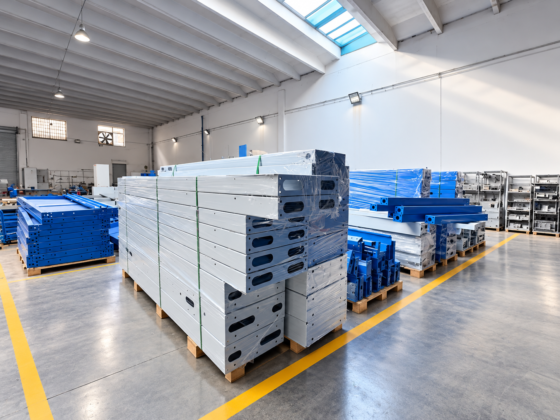
Aikesilun Workshop Showcase
Prioritize features that support cleaning quality, reliability, safety, and customer demand.
Plan Preventive Maintenance
Regular inspections and timely servicing can help reduce avoidable breakdowns.
Request a Complete Quotation
Clear quotations reduce the risk of unexpected charges during delivery or installation.
The goal is to control the total cost while preserving the functions the business actually needs.
14. Common Budgeting Mistakes to Avoid
Several mistakes can make a car wash project more expensive than expected.
Focusing only on machine price: The equipment may be only one part of the total project.
Ignoring site conditions: Foundations, utilities, drainage, and access can change the budget.
Underestimating shipping: Handling, inland transport, customs charges, and unloading may be excluded from the factory quotation.
Choosing capacity without demand data: Equipment that is too large or too small can affect financial performance.
Overlooking maintenance: Replacement parts, technician access, and service response times matter over the machine’s working life.
Assuming all certifications are interchangeable: Market requirements depend on the destination and the specific equipment.
Using optimistic ROI assumptions: A forecast should include slower months, downtime, and realistic operating costs.
A detailed budget and clear supplier agreement help reduce these risks.
15. Automatic Car Wash Machine Cost Checklist
Before placing an order, review the following checklist.
Equipment
- Confirm the machine type and model.
- Review the full technical specification.
- Confirm the included wash programs and accessories.
- Check vehicle size limits and expected operating capacity.
- Review warranty and spare parts arrangements.
Site
- Measure the available space.
- Confirm vehicle entry and exit paths.
- Review foundations and floor conditions.
- Check electrical supply and water requirements.
- Confirm drainage and wastewater arrangements.
Commercial Terms
- Confirm the quotation currency and validity period.
- Review payment terms and delivery schedule.
- Confirm the shipping term and named location.
- Identify taxes, duties, and other excluded charges.
- Confirm installation and commissioning responsibilities.
Long-Term Operation
- Estimate water, power, and chemical use.
- Budget for routine maintenance.
- Check local service availability.
- Estimate realistic wash demand and revenue.
- Build conservative, base, and high-demand financial scenarios.
Completing these checks before ordering makes it easier to compare suppliers and prepare a realistic budget.
16. Frequently Asked Questions About Automatic Car Wash Machine Cost
How much does an automatic car wash machine cost in 2026?
The price depends on the machine type and configuration. Indicative supplier-published ranges include about $15,000–$55,000 for touchless in-bay equipment, $20,000–$70,000 for rollover equipment, and $50,000–$350,000 or more for tunnel machinery. These are planning estimates, not fixed market prices or installed-project costs.
Why do automatic car wash machine prices vary so much?
Prices vary because of capacity, cleaning technology, component quality, drying equipment, controls, optional features, and supplier scope. Installation conditions and destination requirements also affect the total investment.
Does the machine price include installation?
Not always. Some quotations include selected installation services, while others cover equipment only. Confirm assembly, utility connections, commissioning, training, and local contractor work in writing.
What is the cheapest type of automatic car wash machine?
There is no single answer for every project. Basic configurations may have lower upfront prices, but buyers should also consider cleaning performance, capacity, maintenance, and the total cost of ownership.
Is a rollover car wash cheaper than a tunnel system?
A rollover system often requires less equipment and site infrastructure than a complete tunnel operation. However, the actual price depends on the machine specification and project scope.
What additional costs should buyers expect?
Potential costs include shipping, insurance, customs charges, taxes, foundations, electrical work, plumbing, drainage, permits, installation, and commissioning.
Is importing an automatic car wash machine from China cost-effective?
It can be, depending on the quotation, shipping, destination requirements, installation, and after-sales support. Compare total landed and installed costs rather than factory price alone.
How can I calculate the cost per wash?
Add the variable costs for a defined period and divide them by the number of completed washes. For a fuller operating measure, include an appropriate share of fixed expenses as well.
How long does it take to recover the investment?
Payback depends on the installed cost, paid wash volume, average selling price, operating expenses, financing, and seasonal demand. Use a project-specific financial model rather than relying on a general industry claim.
What should a commercial car wash equipment quotation include?
It should clearly state the machine model, specifications, included components, price, delivery terms, warranty, installation scope, technical documents, and any excluded costs.
17. Request a Customized Automatic Car Wash Machine Quotation
The right automatic car wash machine should fit your budget, site conditions, customer demand, and long-term business plans.
A compact rollover machine may suit a fuel station with an existing wash bay. A touchless system may meet the needs of customers who prefer non-contact cleaning. A tunnel system may be more appropriate for a higher-volume operation with sufficient space and demand.
Before making a final decision, compare the full equipment specification and total project cost.
Information to Include in Your Inquiry
To help prepare a suitable quotation, share:
- Destination country and installation city
- Business type and expected wash volume
- Available site dimensions
- Preferred machine type
- Vehicle size requirements
- Electrical supply and water conditions
- Drainage or water reclamation requirements
- Desired payment or monitoring functions
- Installation and delivery expectations
With these details, a supplier can better assess the appropriate equipment configuration and identify any technical questions that need to be resolved.
Contact our team to request automatic car wash machine specifications, discuss installation requirements, and receive a quotation tailored to your project.
Conclusion: Calculate the Full Automatic Car Wash Machine Cost Before Buying
The automatic car wash machine cost is an important part of the investment, but it should not be the only factor in the buying decision.
The right equipment depends on the site, expected demand, cleaning technology, capacity, and operating model. Shipping, installation, utilities, maintenance, and local compliance requirements can also affect the final budget.
Therefore, buyers should compare complete quotations, verify technical requirements, and estimate long-term operating expenses before ordering.
For international B2B buyers, a clear supplier scope and a realistic total-cost model are especially important. They help reduce unexpected expenses and make equipment options easier to compare.
Looking for an automatic car wash machine for your business? Contact our team for technical specifications, project guidance, and a customized commercial quotation.
Pricing note: The figures in this guide are indicative planning estimates based on supplier-published online guides available in 2025–2026. They are not independently verified market averages or binding quotations. Prices, taxes, installation requirements, and equipment configurations vary by destination and project. Always obtain a current written quotation and confirm local requirements before purchasing.