
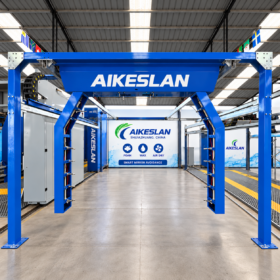

Manufacturer of Automatic Car Wash Machines | Commercial Car Wash Equipment

Manufacturer of automatic car wash machines
Automatic Car Wash Systems for Gas Stations, Commercial Car Wash Businesses, Fleet Operators, and Equipment Distributors
As a manufacturer of automatic car wash machines, we understand that commercial buyers need more than a washing machine. They need equipment that fits their site, meets their washing goals, and supports reliable daily operation.
Automatic car wash equipment helps businesses clean vehicles through controlled washing programs. Depending on the machine design, the process may include pre-soaking, high-pressure washing, foam application, brush cleaning, rinsing, wax application, and air drying.
Our product range is intended to address different commercial washing needs, from compact in-bay systems to larger automatic car wash installations.
Whether you are planning a new car wash business, upgrading an existing site, or sourcing equipment for distribution, the right machine should match your space, vehicle traffic, budget, and operating requirements.
We welcome B2B inquiries for automatic car wash equipment, project specifications, equipment replacement, and potential OEM cooperation.
Explore Commercial Car Wash Equipment | Request a Quote | Contact Our Team
Your Manufacturer of Automatic Car Wash Machines for B2B Projects
Selecting an automatic car wash machine manufacturer is an important step in planning a commercial vehicle washing business.
The right equipment should match your washing volume, site dimensions, local utilities, and expected customer experience.
However, machine price is only one part of the decision.
Buyers should also review cleaning technology, water demand, electrical requirements, maintenance access, spare parts, and long-term operating costs.
For example, a gas station may need a compact rollover car wash machine that fits one washing bay. In contrast, a high-volume commercial site may consider a tunnel car wash system.
Therefore, understanding the business model is the first step toward choosing suitable equipment.
What Does an Automatic Car Wash Machine Manufacturer Do?
An automatic car wash machine manufacturer develops or produces equipment used to wash vehicles through programmed mechanical and fluid systems.
Depending on the product design, a complete machine may include:
- Structural frames and gantry assemblies
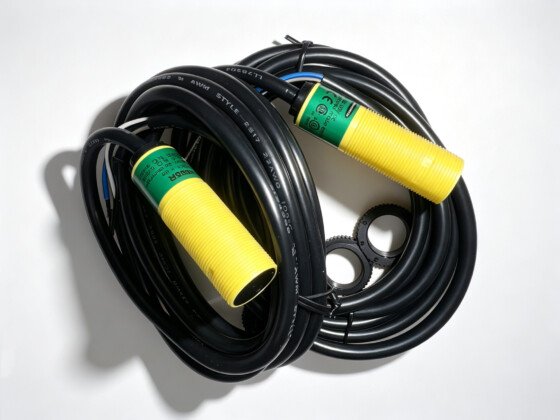
- Vehicle detection and positioning sensors
- Pumps and water supply components
- High-pressure cleaning systems
- Foam and chemical application equipment
- Rotating brush assemblies
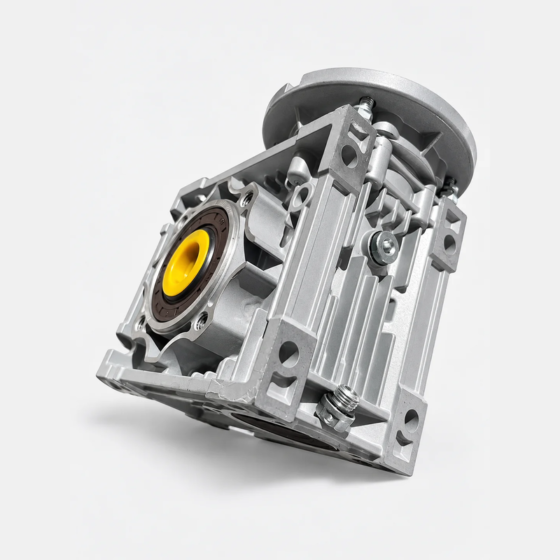
- Drive motors and speed reducers
- Pneumatic cylinders and valves
- Electrical control cabinets
- Programmable controllers and operating interfaces
- Drying blowers and air delivery components
- Protective devices and emergency stop systems
These components must work together to complete a safe and consistent washing cycle.
As a result, equipment selection should consider the entire system rather than one feature alone.
Automatic Car Wash Machines for Different Business Needs
Commercial vehicle washing businesses operate under different conditions.
Some need a compact machine for a single bay. Others need a high-throughput system for a dedicated wash location.
Therefore, several equipment categories are available in the automatic car wash industry.
1. Touchless Automatic Car Wash Machine
A touchless automatic car wash machine cleans vehicles without rotating brushes contacting the body.
Instead, it uses controlled water pressure, chemical application, and programmed spray movements.
Depending on the model, the system may include pre-soak, high-pressure washing, rinsing, and drying.
Touchless systems are often considered by operators who want a no-brush washing process.
However, cleaning results depend on the wash chemistry, water pressure, vehicle condition, and selected program.
Typical applications:
- Gas station car wash bays
- Standalone automatic car wash businesses
- Commercial parking facilities
- Selected vehicle service locations
Main selection factors: Wash coverage, pump performance, chemical delivery, cycle time, bay dimensions, and drying equipment.
2. Rollover Automatic Car Wash Machine
A rollover car wash machine, also called a gantry or in-bay automatic car wash, moves around a stationary vehicle.
Depending on the model, it may use brushes, high-pressure spray systems, or both.
This design can be suitable for locations where the vehicle remains in one position during the wash cycle.
For example, gas stations and smaller commercial sites may consider rollover equipment when space is limited.
Typical applications:
- Fuel stations
- Service centers
- Parking facilities
- Compact commercial car wash sites
Main selection factors: Machine travel length, bay clearance, cleaning system, wash cycle, electrical supply, and customer safety.
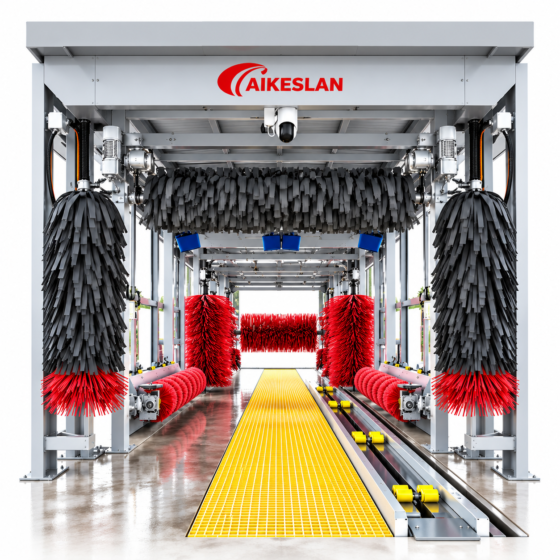
3. Tunnel Automatic Car Wash Machine
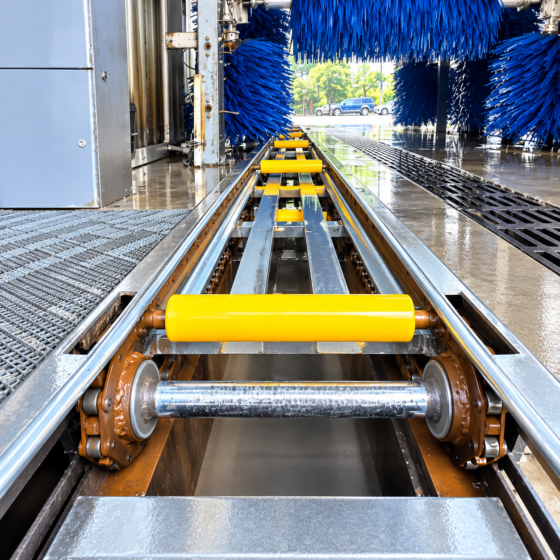
A tunnel automatic car wash system moves vehicles through a sequence of washing stages.
Depending on the installation, the equipment may include conveyor systems, pre-wash arches, brushes, rinsing equipment, and blowers.
Because the stages are arranged along a defined path, tunnel systems can serve businesses that need higher vehicle throughput.
However, actual throughput depends on conveyor speed, vehicle spacing, wash program, and site operation.
Tunnel systems generally require more space and more detailed site planning than compact in-bay equipment.
Typical applications:
- Dedicated commercial car wash centers
- High-traffic service locations
- Large vehicle washing businesses
- Selected fleet cleaning projects
Main selection factors: Tunnel length, conveyor design, vehicle throughput, cleaning stages, drying capacity, and operating costs.
4. Brush-Type Automatic Car Wash Machine
A brush-type automatic car wash machine uses rotating brushes to clean exterior vehicle surfaces.
Depending on the design, it may include vertical brushes, horizontal brushes, wheel brushes, or other cleaning components.
Modern brush systems may use selected foam or textile materials.
However, brush material, contact control, vehicle detection, and maintenance all affect performance.
Therefore, the complete brush system should be reviewed before equipment selection.
Typical applications:
- In-bay rollover systems
- Tunnel car wash installations
- Commercial vehicle cleaning facilities
5. Automatic Car Wash Machines for Commercial Fleets
Commercial fleet operators may need equipment for repeated washing of vehicles.
These applications can include passenger cars, vans, and other supported vehicle types.
However, large trucks and buses often require different equipment dimensions and system designs.
Therefore, buyers should provide the actual vehicle size range before selecting a machine.
Why Choose Our Automatic Car Wash Machine Solutions?
1. Equipment Selection Based on Real Project Needs
Every commercial car wash project has different requirements.
For this reason, machine selection should consider site dimensions, expected traffic, vehicle size, and wash program.
A suitable system helps businesses avoid choosing equipment that is too large or too limited for the location.
2. Integrated Washing Technology
Automatic car wash machines combine mechanical movement, water delivery, cleaning chemicals, and electronic controls.
When these systems are matched correctly, they support a consistent washing process.
Therefore, buyers should review the complete machine configuration.
3. Flexible Car Wash Equipment Configurations
Different customers need different washing programs and equipment layouts.
For example, some projects prioritize compact installation. Others focus on cleaning stages or vehicle throughput.
We welcome discussions about suitable machine configurations and technical requirements.
4. Attention to Water and Energy Use
Water and electricity are major operating considerations for commercial car wash businesses.
Therefore, buyers should compare water consumption, pump capacity, drying power, and wash cycle settings.
Where supported, water recycling or reuse systems may also help reduce fresh-water demand.
However, actual consumption depends on the machine and operating conditions.
5. Maintenance and Spare Parts Planning
Commercial washing equipment includes mechanical, electrical, pneumatic, and water-handling components.
These parts require suitable maintenance.
A good purchasing decision should include access to technical documents, replacement parts, and service procedures.
6. Support for OEM and Distribution Inquiries
Equipment distributors and international project buyers may need specific product configurations, documentation, or commercial arrangements.
We welcome discussions about OEM requirements, equipment distribution, and bulk purchasing opportunities.
Available options should be confirmed during quotation.
Technical Features of Commercial Automatic Car Wash Equipment

Manufacturer of automatic car wash machines
Intelligent Control Systems
Automatic car wash equipment commonly uses programmed controls to manage washing sequences.
Depending on the machine, a programmable logic controller may coordinate pumps, motors, valves, brushes, and positioning mechanisms.
The control system helps maintain the correct sequence of machine operations.
Vehicle Detection and Positioning
Sensors may be used to detect vehicle position, equipment movement, or safety conditions.
Accurate detection helps the machine follow its intended operating program.
However, sensor type and control logic depend on the specific equipment design.
Water Pump and Pressure Systems
Water pumps supply water to the washing system.
Depending on the machine, different pumps may be used for rinsing and high-pressure cleaning.
Buyers should review flow rate, operating pressure, pump power, and filtration requirements.
Foam and Chemical Application
Some automatic car wash machines apply pre-soak, foam, detergent, wax, or other suitable chemicals.
Chemical delivery systems may include dosing pumps, valves, and spray nozzles.
Correct chemical selection and dosing are important for cleaning performance and equipment compatibility.
Rotating Brush Assemblies
Brush-equipped systems use motors, shafts, gear reducers, and brush materials to support the cleaning process.
These components must be selected and maintained as part of the complete mechanical system.
Air Drying Systems
Drying blowers help remove water from vehicle surfaces after rinsing.
However, drying results depend on airflow, pressure, air nozzle design, vehicle shape, and machine timing.
Therefore, blower motor power alone should not be used to compare drying performance.
Safety and Protective Systems
Automatic car wash equipment should include safety measures suited to its design and intended use.
These may include emergency stop devices, guards, sensors, and other protective functions.
The actual safety design must meet the requirements of the destination market and installation.
Automatic Car Wash Machine Technical Specifications
Automatic car wash machines vary in size, capacity, equipment configuration, and utility requirements.
The following table identifies the main specifications that commercial buyers should request before purchasing.
| Technical Parameter | Selection Information |
|---|---|
| Product Category | Automatic Car Wash Equipment |
| Machine Type | Touchless / Rollover / Tunnel / Brush-Type |
| Application | Commercial Vehicle Washing |
| Washing Method | Model-specific |
| Vehicle Size Range | According to equipment specifications |
| Installation Dimensions | Based on selected machine and site |
| Required Bay Size | Model-specific |
| Electrical Voltage | According to destination and model |
| Frequency | 50 Hz / 60 Hz, where compatible |
| Installed Power | Based on machine configuration |
| Water Supply Pressure | Model-specific |
| Water Consumption | Per cycle or per vehicle, as measured |
| Wash Cycle Time | According to wash program |
| Vehicle Throughput | Based on machine type and operating conditions |
| High-Pressure Pump | Where included |
| Brush System | Where included |
| Drying System | Where included |
| Chemical Dosing | According to model |
| Control System | According to equipment configuration |
| Water Reuse Compatibility | Subject to system design |
| Safety Functions | According to machine risk assessment |
| OEM Requirements | Subject to project review |
| Installation Requirements | Based on site and machine specifications |
Technical Note: The values for machine dimensions, cycle time, throughput, water use, and electricity demand must come from the actual product datasheet. They should not be estimated or treated as identical across different models.
How to Choose an Automatic Car Wash Machine Manufacturer
Choosing a supplier requires technical and commercial evaluation.
The lowest equipment price does not always mean the lowest project cost.
Therefore, compare machines using consistent technical and operational criteria.
Step 1: Define Your Business Model
First, identify the type of car wash business you want to operate.
For example, you may be planning a gas station car wash, a standalone facility, or an equipment distribution business.
Your business model affects the suitable machine type.
Step 2: Evaluate Your Installation Site
Next, check the available space.

Manufacturer of automatic car wash machines
Important information includes:
- Site length and width
- Entry and exit arrangements
- Building height
- Electrical supply
- Water supply
- Drainage system
- Vehicle access
- Local building and environmental requirements
This information helps identify equipment that fits your location.
Step 3: Estimate Vehicle Traffic
Consider the expected number of vehicles per day.
A small location may need a different machine from a high-volume site.
However, daily vehicle traffic alone is not enough.
Peak-hour demand and wash cycle time are also important.
Step 4: Select the Washing Technology
Compare touchless, rollover, brush, and tunnel systems.
Consider the target customer, cleaning expectations, available space, and operating costs.
Step 5: Review Utility Consumption
Ask for measured water consumption, electrical demand, chemical use, and drying requirements.
These factors affect ongoing operating costs.
Step 6: Check Technical Documentation
Request installation drawings, electrical requirements, maintenance instructions, and equipment specifications.
Clear documents support project planning.
Step 7: Review Spare Parts and Service
Automatic washing equipment needs ongoing maintenance.
Therefore, confirm parts availability, warranty terms, troubleshooting procedures, and available technical support.
Step 8: Request a Detailed Quotation
A clear quotation should identify the machine model, included equipment, optional accessories, delivery terms, and service scope.
This makes supplier comparisons easier.
Automatic Car Wash Machine Manufacturer for Gas Stations
Gas stations are an important application for automatic car wash equipment.
A washing service may support customer convenience and create an additional service offering.
For example, some locations include a car wash in loyalty programs or provide it as a paid service.
However, the correct equipment depends on available space and customer traffic.
Why Gas Stations Use Automatic Car Wash Machines
Automatic equipment can help provide a structured vehicle washing service without requiring the operator to wash each car manually.
Depending on the machine, customers may select from different wash programs.
This can support consistent service delivery.
Choosing Equipment for a Fuel Station
For gas station projects, consider:
- Site access and vehicle queue space
- Single-bay or dedicated car wash layout
- Washing cycle time
- Customer payment options
- Water and drainage requirements
- Maintenance access
- Local operating rules
A properly planned installation helps match the washing service to the site.
Automatic Car Wash Equipment for Commercial Car Wash Businesses
A dedicated car wash business may prioritize vehicle throughput, wash program options, and operating efficiency.
However, each location has different requirements.
Small and Medium Commercial Sites
Compact rollover or in-bay machines may be considered where installation space is limited.
The project should be evaluated using actual bay dimensions and expected demand.
Higher-Volume Commercial Locations
Tunnel washing systems may be suitable for sites that need a more continuous vehicle flow.
However, throughput depends on the complete system design and operation.
Multi-Site Car Wash Operators
Operators with several locations may benefit from consistent equipment specifications and standardized maintenance procedures.
This can simplify training, spare parts planning, and service management.
Automatic Car Wash Machine Cost and Long-Term Value
The total cost of an automatic car wash machine is more than the equipment purchase price.
A commercial buyer should consider both the initial investment and ongoing expenses.
Initial Equipment Costs
The purchase cost depends on machine type, washing technology, configuration, and optional features.
For example, a tunnel system often has different equipment and infrastructure requirements from a compact in-bay system.
Site Preparation Costs
A project may require civil work, electrical connections, drainage, water supply, and building modifications.
These costs vary by site.
Water and Chemical Costs
Operating costs depend on the wash program, vehicle volume, water consumption, and chemical dosing.
Therefore, measured consumption data can help estimate expenses.
Electricity Costs
Electricity use depends on pumps, motors, blowers, conveyors, and machine operating time.
Buyers should request installed power and expected energy use for the intended wash cycle.
Maintenance Costs
Routine maintenance may include cleaning, lubrication, inspections, adjustments, and replacement parts.
Actual costs depend on equipment design and use.
Evaluating Return on Investment
A commercial car wash investment should be evaluated using local demand, pricing, expected utilization, and operating costs.
A simple planning framework is:
Annual Operating Revenue = Average Revenue per Wash × Number of Paid Washes per Year
Then compare revenue with labor, utilities, chemicals, maintenance, rent, insurance, taxes, financing, and other costs.
This helps create a more realistic business forecast.
However, no manufacturer can guarantee the financial return of every car wash project.
OEM Automatic Car Wash Machine Manufacturing and Project Cooperation

Manufacturer of automatic car wash machines
OEM buyers may need equipment that fits specific technical or commercial requirements.
These can include custom machine configurations, electrical requirements, branding, and documentation.
The available scope depends on the actual product and manufacturing capabilities.
OEM Configuration Requirements
Useful information includes:
- Machine type
- Required washing functions
- Target vehicle dimensions
- Site layout
- Electrical supply
- Water supply
- Expected daily vehicle volume
- Control interface requirements
- Optional equipment
- Required documentation
- Order quantity
- Destination country
Automatic Car Wash Machine Distribution
Equipment distributors may need product specifications, model information, installation documents, and a clear commercial supply arrangement.
For distribution inquiries, provide your target market, expected sales volume, and product category.
Wholesale Equipment Purchasing
Bulk purchasing requirements may involve more than one machine model or installation site.
Therefore, a project list and delivery schedule help suppliers prepare a suitable quotation.
Automatic Car Wash Machines for Europe and North America
International buyers should confirm that equipment meets the technical, electrical, and legal requirements of the destination market.
Requirements can vary by country, region, and installation type.
Automatic Car Wash Machines for the European Market
European projects often use 50 Hz electrical systems.
However, voltage and electrical configurations depend on the country and installation.
Machine safety, electrical equipment, electromagnetic compatibility, and environmental requirements may also apply.
For example, applicable EU product legislation should be determined from the machine design and intended use.
A CE marking claim should be supported by the appropriate conformity process and technical documentation.
Automatic Car Wash Machines for the United States
US projects may use different electrical voltages, service configurations, and local installation requirements.
Therefore, buyers should confirm the required electrical supply before placing an order.
Local building, plumbing, wastewater, and electrical rules may also affect installation.
Automatic Car Wash Machines for Canada
Canadian projects require review of applicable electrical and installation requirements.
Buyers should also consider climate, water management, and local site conditions.
In regions with cold winters, equipment design and operating procedures may need to address freezing risks.
International Project Planning
For export projects, buyers should request:
- Equipment layout drawings
- Electrical specifications
- Water supply requirements
- Drainage requirements
- Installation instructions
- Maintenance manuals
- Safety documentation
- Spare parts information
- Packaging details
- Commercial delivery terms
Clear information helps reduce misunderstandings during purchasing and installation.
Maintenance and After-Sales Considerations
Automatic car wash machines contain many moving and electrical components.
Therefore, regular inspection and maintenance are important.
Mechanical Components
Inspect brushes, shafts, gearboxes, bearings, chains, and related drive parts according to the equipment manual.
Water Systems
Check pumps, filters, nozzles, piping, and valves for wear, blockage, or leakage.
Pneumatic Systems
Where installed, inspect pneumatic cylinders, air tubing, regulators, and solenoid valves.
Electrical and Control Systems
Qualified technicians should inspect sensors, motor controls, wiring, and protective devices.
Drying Systems
Check blowers, impellers, air passages, and motor operation according to manufacturer instructions.
Spare Parts Planning
Common maintenance planning may include keeping selected wear parts and critical components available.
However, the recommended spare parts list depends on the specific machine.
Safe Maintenance Practices
Before servicing equipment, isolate electrical, pneumatic, hydraulic, and other hazardous energy sources as applicable.
Follow the manufacturer’s safety procedures and local requirements.
Frequently Asked Questions About Automatic Car Wash Machine Manufacturers
1. What does a manufacturer of automatic car wash machines provide?
A manufacturer of automatic car wash machines produces or supplies equipment used for automated vehicle washing. Depending on its capabilities, the company may offer complete machines, technical documentation, spare parts, and project-related services.
2. What types of automatic car wash machines are available?
Common categories include touchless, rollover, brush-type, and tunnel car wash machines. Each type has different space, operating, and cleaning requirements.
3. How do I choose the right automatic car wash machine?
Start by checking your site size, expected vehicle traffic, preferred washing method, utility supply, and investment budget. Then compare suitable machine models using technical data.
4. What is the difference between touchless and brush car wash machines?
Touchless machines use water pressure and cleaning chemicals without brush contact. Brush systems use rotating cleaning materials to assist washing. Actual cleaning performance depends on the complete system and maintenance.
5. What is a rollover automatic car wash machine?
A rollover machine moves washing equipment around a stationary vehicle. Depending on the model, it may use brushes, spray systems, or both.
6. What is a tunnel automatic car wash machine?
A tunnel car wash moves vehicles through several washing stages. It may use a conveyor together with cleaning, rinsing, and drying equipment.
7. How much does an automatic car wash machine cost?
Cost depends on machine type, configuration, optional features, and project requirements. Installation and site preparation costs should also be considered.
8. How much water does an automatic car wash machine use?
Water consumption varies by machine, wash program, and water reuse configuration. Buyers should request measured consumption data for the selected equipment.
9. How many cars can an automatic car wash machine wash per hour?
Hourly capacity depends on machine type, wash cycle duration, vehicle spacing, and operating conditions. The manufacturer’s model-specific throughput data should be used for planning.
10. Are automatic car wash machines suitable for gas stations?
Yes. Suitable automatic car wash equipment can be installed at gas stations when the site provides adequate space, utilities, drainage, and safe vehicle access.
11. Can an automatic car wash machine be customized?
Some manufacturers offer selected OEM configurations or customization. Available options depend on the equipment design and supplier capabilities.
12. What maintenance does an automatic car wash machine need?
Routine maintenance may include inspecting pumps, motors, sensors, brushes, valves, and drying equipment. Follow the model-specific maintenance schedule.
13. What should I check before importing a car wash machine?
Confirm electrical compatibility, applicable safety requirements, site dimensions, technical documents, shipping terms, and local installation rules.
14. Can I purchase automatic car wash machines for distribution?
Many equipment manufacturers work with commercial buyers and distributors. Commercial conditions, product availability, and service arrangements should be confirmed directly with the supplier.
15. How can I request a quotation from an automatic car wash machine manufacturer?
Provide your preferred machine type, installation country, site dimensions, expected vehicle traffic, available utilities, and required features. Drawings and photos of the planned location can also help.
Packing & Delivery of Automatic Car Wash Machines
Secure Export Packaging
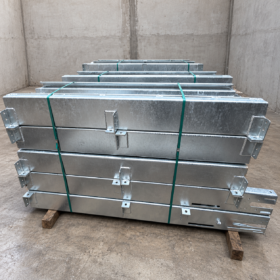
Automatic car wash equipment may include large structural assemblies, motors, control components, pumps, sensors, and other mechanical parts.
Therefore, packaging should protect components during handling and international transportation.
Depending on the equipment configuration, suitable packaging methods may include:
- Protective wrapping for finished surfaces
- Reinforced packaging for sensitive components
- Wooden cases for selected electrical or mechanical parts
- Pallet packaging for smaller assemblies
- Secure transport frames for large structural parts
- Moisture protection for electrical equipment
- Clear package identification and packing lists
The final packaging method should match the equipment dimensions, weight, and shipping conditions.
International Shipping Options
Shipping methods depend on machine size, order quantity, and destination.
Sea Freight: Commonly considered for large equipment and international container shipments.
Land Transport: May be used for suitable domestic or regional delivery routes.
Air Freight: May be practical for selected urgent spare parts or smaller components.
The shipping method and delivery terms should be confirmed during quotation.
Production and Delivery Time
Lead time depends on the selected machine model, equipment configuration, production schedule, order quantity, and project requirements.
Custom projects may require additional technical review.
Therefore, estimated production and shipping schedules should be confirmed before order placement.
Delivery Documentation
International shipments may require a commercial invoice, packing list, transport documents, and other documents based on the destination and trade agreement.
Additional technical or compliance documents should be confirmed for the specific project.
Request a Quote From an Automatic Car Wash Machine Manufacturer

Manufacturer of automatic car wash machines
Find the Right Automatic Car Wash Equipment for Your Business
Whether you are opening a new car wash facility, expanding an existing business, or sourcing equipment for distribution, selecting the right automatic car wash machine is an important investment decision.
We welcome inquiries for commercial vehicle washing equipment, machine configurations, replacement requirements, and B2B purchasing projects.
Information to Include in Your Inquiry
Please provide:
- Your country and installation location
- Preferred machine type
- Site dimensions or layout drawing
- Expected vehicle volume
- Vehicle size range
- Available voltage and frequency
- Water supply and drainage information
- Required washing functions
- Optional drying or water reuse requirements
- Expected order quantity
- Preferred delivery schedule
With accurate project information, suitable equipment options and technical requirements can be reviewed more efficiently.
Contact us today to discuss your car wash equipment project and request a quotation.
Request a Quote | Contact Us | Send Your Project Details
Choose commercial automatic car wash equipment based on practical engineering requirements, business needs, and long-term operating value.