 나는 ~할 생각이다 | 완전 자동 세차 기계 제조업체
Fully Automatic Car Wash Machine: Configuration and Site Planning
A fully automatic car wash machine needs more than a suitable bay. The right setup must match your vehicle mix, wash demand, site layout, water supply, power, 배수, and service needs. 그러므로, plan the machine and the site together before ordering equipment or starting construction.
For business buyers, this process affects both the opening date and daily results. A good machine can still struggle on a poorly planned site. Likewise, a large building does not ensure smooth traffic or easy care.
This guide explains how to plan an automatic car wash installation for commercial use. It covers wash formats, 건조 장비, utility needs, and project handover. It also outlines questions for buyers in Europe and North America.
Use it to prepare a clear supplier brief. Then compare proposals against the same site conditions and business goals.
## What Should You Plan Before Buying?
Start with seven linked decisions: the wash format, vehicle limits, useful capacity, traffic flow, 유용, support equipment, and maintenance access.
First, define who will use the wash. A retail site serving cars has different needs from a depot serving vans. 또한, record when those vehicles arrive. Peak demand matters more than a daily average when queues are tight.
Next, list the wash programs you plan to sell. A short exterior wash and a longer premium cycle can place different demands on the same machine.
Then identify the site limits. These include building dimensions, road access, utility capacity, and any restrictions on opening hours.
마지막으로, decide who will manage the project. Someone must keep the supplier, builder, utility providers, and site team working from the same approved plan.
## 1. Define the Business Use and Vehicle Mix

Tunnel Car Wash Machine
Before choosing options, write a brief description of the intended service. State whether the site will serve retail drivers, fleet accounts, dealership staff, or a mix.
예를 들어, a dealership may need predictable wash results before vehicle handover. A fuel station may place greater emphasis on clear entry routes and simple customer guidance.
또한, list vehicle types and any unusual features. Roof racks, accessories, rear-mounted items, and modified vehicles need specific review. Do not assume that a vehicle fits simply because its body fits inside the bay.
Ask the supplier for written vehicle limits and exclusions. These should cover the supplied setup, including dryers and any wheel or underbody equipment.
그 동안에, consider how staff will spot unsuitable vehicles. Clear restrictions should appear before the customer commits to a narrow lane.
A defined vehicle mix helps the supplier select equipment. It also gives the operator a sound basis for customer instructions and staff training.
## 2. Choose the Right Automatic Wash Format
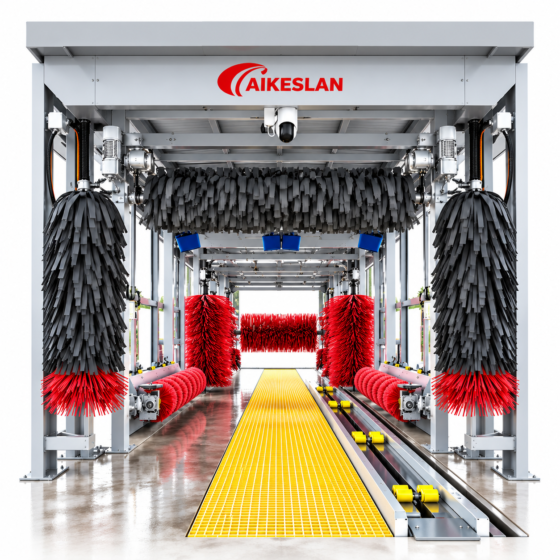
The first major equipment decision is the wash format. In a rollover or in-bay system, the vehicle stays in place while a moving gantry carries out the wash. In a conveyor system, the vehicle moves through a sequence of wash stages.
| Wash format | Commercial use to assess | Key site question |
| — | — | — |
| Rollover or in-bay automatic | A bay-based service or suitable retrofit | Is there enough clear space for machine travel and vehicle entry? |
| Conveyor or tunnel | A dedicated wash with steady peak demand | Can the site support loading, queues, and clear exit flow? |
Brush and touchless describe cleaning methods rather than the complete site format. 그러므로, compare cleaning technology separately from the way vehicles move through the wash.
또한, compare the full site footprint. Tanks, 슬리퍼, chemical storage, and service areas may sit outside the wash bay.
The best fully automatic car wash machine is the one that fits the planned operation and the real site.
## 3. Measure the Site Beyond the Machine Footprint
A machine footprint shows where the equipment sits. 하지만, it does not show every space needed to operate and maintain it.
Measure clear building width, length, and height. Then record doors, beams, columns, pipes, and other obstacles. Use the narrowest and lowest points rather than the largest room dimensions.
Next, ask for the machine’s full movement envelope. This includes travel limits, moving arms, and any parts that extend during a wash.
또한, allow for access around service panels and replaceable parts. A motor may fit in place yet remain difficult to remove later.
For existing buildings, survey the floor and check previous alterations. Old plans may not show the current structure or underground services.
마지막으로, use one shared drawing for the building, equipment, 유용, and access routes. Label dimensions clearly and keep units consistent. This helps prevent costly differences between the supplier’s layout and the contractor’s work.
## 4. Design Traffic Flow Before Finalizing the Bay

Tunnel Car Wash Machine
Traffic flow can limit a wash even when the machine has spare capacity. 그러므로, map arrival, queueing, payment, loading, washing, and departure as one route.
First, check how drivers enter from the road. They should have enough space to understand signs and join the queue without blocking other users.
Next, assess turning paths with the intended vehicles. Tight corners can slow entry and make drivers less confident.
또한, keep pedestrian routes separate from vehicle movements where the site design allows. Staff need a clear way to reach customer areas and service points.
At fuel retail sites, review conflicts with pumps, 배달 차량, and store parking. At dealership sites, check the route between vehicle storage and the wash.
마지막으로, plan an suitable route for vehicles that cannot use the machine. A rejected payment or unsuitable vehicle should not leave the driver trapped.
These details help protect useful capacity and create a calmer customer experience.
## 5. Estimate Useful Capacity and Queue Space
Rated capacity is only one part of automatic car wash site planning. The actual number of completed washes also depends on loading, payment, program length, and exit clearance.
For an in-bay machine, include the whole visit to the bay. Entry and departure take time as well as the wash cycle.
For a conveyor wash, review vehicle spacing and loading procedures with the supplier. 하지만, do not shorten spacing or alter safe use limits to chase a higher output.
Ask which wash program supports the quoted capacity. Then request a demonstration under similar conditions to the intended service.
또한, review demand by time of day. A daily total can hide a short rush that fills the queue.
Use those demand patterns to assess holding space with your site designer. If there is no room for a larger queue, consider booking windows or other ways to spread demand.
Capacity planning works best when the machine and traffic route support the same workload.
## 6. Configure the Wash Stages as a Complete Process
A fully automatic car wash machine may offer several wash stages. These can include pre-soak, brush or high-pressure cleaning, wheel treatment, 헹구기, surface care, 그리고 건조.
하지만, more stages do not always create a better service. Each option should meet a clear customer need and work within the planned cycle.
First, choose the basic wash result you want to deliver. Then assess which stages are needed to achieve it with local dirt and water conditions.
또한, ask how the machine controls chemical dose and treatment time. These settings should follow the approved process and chemical supplier’s guidance.
For brush equipment, review contact control and material care. For touchless equipment, review coverage and the interaction between chemicals, dwell time, and rinsing.
마지막으로, test complete programs rather than isolated functions. A strong cleaning stage can still leave a poor finish if rinsing or drying is weak.
This approach makes setup decisions easier to explain and compare.
## 7. Plan Fresh Water Supply and Water Quality
Tunnel Car Wash Machine
Water planning should cover flow, pressure, quality, and storage. 그러므로, ask for the supplier’s needs at the connection point, not just estimated use per vehicle.
First, check whether the site supply can support the planned wash program. Include other users that may draw water at the same time.
Next, test needed water quality factors. Hardness and dissolved minerals can affect treatment needs and the finished rinse. Ask the supplier which test results are needed for the planned system.
또한, distinguish fresh water use from water circulated within the wash. They describe different parts of the system and should not be compared as if they were the same.
If storage or treatment is planned, include its footprint and service needs. Tanks, filters, and associated pumps need access as well as connections.
마지막으로, add suitable metering to the plan. Tracking fresh water per completed wash helps the operator spot leaks, changed settings, and abnormal use after opening.
## 8. Assess Water Reclaim and Final Rinse Options
A car wash water reclaim system treats collected wash water for suitable reuse. 하지만, the planned treatment must match the stages that receive the water.
The [US EPA’s vehicle wash guidance](https://www.epa.gov/system/files/documents/2023-11/ws-commercial-bmp-watersenseatwork_section5.4_vehiclewashes.pdf) explains that reclaim performance depends partly on which cycles use treated water. 그러므로, request a clear water balance for the proposed configuration instead of relying on a broad savings claim.
Ask the supplier to identify fresh water inputs, reuse loops, treatment waste, and discharge. 또한, confirm tank cleaning, filter care, and sludge handling needs.
Final rinse treatment is a separate decision. Where reverse osmosis is planned, review feed water conditions, output capacity, storage, and reject water management.
Do not assume that every reclaimed water stream is suitable for every rinse stage. Likewise, do not treat reverse osmosis as a substitute for the whole reclaim process.
Compare the complete water system against local costs, wash quality goals, and available care support.
## 9. Coordinate Drainage and Civil Works Early
Drainage is part of the site design, not an item to resolve after equipment arrives. Start by showing where wash water will be collected and where approved discharge will go.
A qualified local designer should coordinate floor falls, drains, pits, and any required treatment. The equipment supplier should provide the needed connection and mounting needs.
또한, review access for cleaning drains and removing collected material. A hidden trap can become a recurring service problem if it is hard to reach.
Keep rainwater and process water arrangements clear in the drawings. Confirm the intended discharge route with the responsible local utility or authority.
For conveyor systems, plan the conveyor channel with foundations and equipment supports. For rollovers, verify rail positions and floor conditions against the supplier’s drawings.
마지막으로, approve civil work dimensions before construction. Fixing a drain or foundation after concrete has cured may delay both setup and opening.
## 10. Confirm Power Supply and Electrical Scope
Power needs vary by equipment setup. 그러므로, confirm voltage, frequency, phases, and connection load for the exact machine being supplied.
또한, distinguish connected load from normal energy use. Motors, 슬리퍼, and dryers may run at different times within a program.
Ask for a utility schedule that includes all support equipment. Water treatment, heating, air supply, and payment systems may create loads beyond the main wash machine.
Then have the local electrical professional review the supply and scope of work. This includes the applicable protection, isolation, cabling, and environmental needs.
For imported equipment, confirm supply compatibility before shipping. A motor or control system designed for one market should not be assumed suitable for another.
마지막으로, define who supplies and installs each connection. The quotation should separate the machine’s internal wiring from site electrical work.
Clear responsibilities reduce gaps between equipment delivery and a working installation.
## 11. Select Dryer Blowers for the Intended Vehicles

Reciprocating machine
The dryer system deserves close review because customers judge the finish after leaving the wash. 하지만, blower count alone does not prove drying performance.
Assess blower placement, nozzle direction, air coverage, and the time available for drying. These factors must suit the vehicle mix and machine layout.
예를 들어, check results around mirrors, rear panels, windows, and trim. A demonstration should use typical vehicles and comparable wash conditions.
또한, review the mounting arrangement and service access. Blower housings, inlet guards, 모터, and outlet nozzles should remain accessible for approved inspection and care.
Ask about motor specifications, power demand, noise, and replacement parts. Confirm which dryer functions are standard and which belong to optional packages.
마지막으로, compare actual results with the agreed target. Avoid claims such as completely dry vehicles unless the supplier can define and support the test conditions.
A suitable dryer setup balances finish quality, energy use, site constraints, and service needs.
## 12. Include Controls, Sensors, and Customer Guidance
Controls connect the wash stages into a repeatable process. 그러므로, assess how operators select programs, see faults, and manage access to settings.
Ask for a demonstration of the actual control screen. Clear menus and useful messages can help staff respond without guessing.
또한, review vehicle guidance and sensing functions supported by the planned model. Confirm the safe use limits and the steps staff must follow when a fault occurs.
If payment integration is needed, define it early. Check supported interfaces, network needs, fees, and behavior during a lost connection.
For remote monitoring, ask what data is available and how access is controlled. A feature described as smart may offer very different functions across suppliers.
마지막으로, match signs and instructions to the local audience. Drivers should understand where to stop, when to move, and how to request help.
Good controls support both daily operation and a smoother customer journey.
## 13. Match Technical Capabilities to Site Scenarios
The strongest setup links a feature to a clear site condition. Use the following table to guide supplier discussions.
| Site scenario | Capability to review | Evidence to request |
| — | — | — |
| Limited building space | Movement envelope and compact service layout | Dimensioned installation drawing |
| Busy retail location | Loading flow and useful wash capacity | Demonstration using the planned program |
| Dealership operation | Stable rinse and drying results | Checks on representative vehicles |
| Fleet account | Vehicle compatibility and access scheduling | Written limits and an operating plan |
| Costly fresh water | Metering and suitable reclaim configuration | Water balance and maintenance scope |
| Cold location | Suitable building and freeze protection measures | Site-specific seasonal operating plan |
| Remote site | Clear fault guidance and parts support | Service terms and delivery arrangements |
하지만, a table cannot replace a site survey. Use it to raise questions, then confirm the answers through drawings, documents, and tests.
또한, record whether each feature is included, optional, or outside the supplier’s scope. This keeps the comparison grounded in the actual quotation.
## 14. Review Climate, Noise, and Nearby Uses

site
Local conditions can affect the building and equipment plan. 그러므로, review weather exposure, winter temperatures, nearby uses, and opening hours together.
Cold sites may need suitable enclosure, 배수, and freeze protection. Ask the supplier and local designer to define the approach for normal operation and long shutdowns.
At coastal or chemically demanding sites, assess materials and care needs. A shiny surface alone does not show how well a part suits the environment.
또한, review dryer and pump noise in relation to nearby homes, offices, or shops. Check applicable local conditions before settling equipment positions and hours.
Lighting matters as well. Customers need clear guidance without creating needless glare outside the site.
마지막으로, include seasonal checks in the business plan. A site that works well in mild weather may need different care during cold or dusty periods.
Planning for these conditions early helps avoid expensive changes after setup.
## 15. Prepare Documentation for EU and North American Projects
For EU projects, identify the requirements that apply to the supplied machinery and installation. Request the relevant declarations, instructions, and technical information. The [European Commission’s CE guidance](https://single-market-economy.ec.europa.eu/single-market/goods/ce-marking_en) explains the responsibilities of manufacturers and importers.
Timing also matters. The [EU Machinery Regulation](https://eur-lex.europa.eu/eli/reg/2023/1230/2026-07-27/eng) generally applies from January 20, 2027. For projects near this transition, have a qualified adviser confirm the applicable framework and dates.
In the United States, review electrical approval requirements with the relevant professionals. [OSHA’s NRTL guidance](https://www.osha.gov/nationally-recognized-testing-laboratory-program/products-requiring-approval) identifies product categories and notes that applicable conditions must be checked.
For Canada, confirm the provincial and local approval path separately. Do not assume that documents accepted in another country resolves every local requirement.
또한, agree on instructions and training languages. Verify that all documents refer to the actual machine model and setup being delivered.
## 16. Reserve Space for Maintenance and Spare Parts
A fully automatic car wash machine needs service space throughout its working life. 그러므로, include maintenance access in the first layout review.
Ask which panels must open and which parts may need removal. 또한, check how staff will access elevated equipment using the approved work method.
Keep routine service points clear of chemical storage and other stored items. The care team should not need to dismantle unrelated equipment for basic checks.
Next, request a planned care schedule and recommended parts list. Confirm which items wear with use and which have longer replacement lead times.
For imported systems, ask where parts are stocked and how urgent requests are handled. Record part numbers and compatibility information during handover.
마지막으로, clarify remote support and local service roles. Remote help may assist diagnosis, but physical repairs still need suitable skills and parts.
Service planning protects the site from avoidable downtime as wash volume grows.
## 17. Compare Configuration Costs on the Same Basis
Fully automatic car wash machine cost depends on the supplied equipment and the work needed around it. 그러므로, compare quotations using a shared scope.
Separate the main machine from optional wash stages, dryers, water treatment, payment equipment, and spare parts. Then add freight, unloading, 설치, startup, and training where applicable.
또한, identify site costs outside the supplier’s offer. These may include building work, foundations, drains, power upgrades, and local approvals.
For ongoing costs, review water, chemicals, energy, service, software, and labor. Use the intended wash programs when comparing estimates.
하지만, do not treat estimated use as a guaranteed result. Ask which assumptions support each figure and verify actual use after startup.
마지막으로, compare warranty terms and exclusions. A lower equipment price can carry a different service scope or parts arrangement.
A clear cost breakdown helps buyers choose a workable setup without hiding important project expenses.
## 18. Coordinate Delivery, Installation, and Acceptance
The build schedule should connect equipment readiness with site readiness. First, agree which drawings need approval before production or civil work starts.
Next, define transport, unloading, storage, and lifting responsibilities. Check that delivery vehicles and equipment can reach the planned unloading point.
또한, confirm which utilities must be available before setup and testing. Delayed power or water connections can leave a completed machine unable to start.
Before handover, test the agreed functions and wash programs. Include typical vehicles, customer guidance, and service procedures in the review.
Record open issues with an owner and a next step. Then confirm what must be resolved before the site begins normal operation.
마지막으로, collect the final drawings, manuals, parts lists, training records, and support contacts. These documents should match the installed setup.
A structured handover gives operators a clear starting point and helps the supplier address issues with the right information.
## 19. Freeze the Configuration Before Construction
Once the layout works, confirm the setup in writing. This prevents a later equipment change from conflicting with completed site work.
First, list each included wash stage, dryer assembly, pump, tank, and control option. Then link the list to the approved drawing revision.
또한, mark connection points and the boundary between supplier work and local contractor work. A simple responsibility table can show who supplies, installs, tests, and maintains each item.
Before approving a change, review its effect on space, 유용, cost, and schedule. 예를 들어, an added dryer may require more than a mounting position. It may also affect power, controls, noise, and service access.
Next, share the approved revision with everyone involved. Remove superseded drawings from active use so contractors do not build from different versions.
마지막으로, record unresolved decisions separately. Give each one a deadline before the related work begins.
This simple change process helps the buyer control the project. It also gives the supplier a clear record of what the final order must deliver.
## 20. Prepare a Practical Operator Handover Pack
A complete handover should help staff run the site after the setup team leaves. 그러므로, prepare the staff guide while the project is still underway.
Include approved startup and shutdown steps, routine inspection tasks, and the supplier’s fault response guidance. 또한, explain which settings operators may adjust and which require service support.
Next, provide a clear parts reference. Match part names and part numbers to the delivered machine rather than a general catalogue.
Training should cover customer guidance as well as equipment use. Staff need to know how to spot excluded vehicles and respond when a driver needs help.
After training, check understanding through the agreed daily tasks. Then record who attended and where the latest instructions are stored.
마지막으로, schedule an early performance review with the supplier. Use real wash results, resource use, and fault records to find needed changes.
This gives the team a structured route from installation to stable daily operation.
## Frequently Asked Questions
### How much space does a fully automatic car wash machine need?
There is no universal bay size. Requirements depend on the wash format, machine movement, vehicle limits, and service access. Ask for a model-specific installation drawing that includes support equipment, entry and exit routes, and all required clearances.
### Can an automatic car wash machine fit an existing building?
It may, but the building needs a survey first. Check clear dimensions, structure, floor conditions, 배수, 유용, and vehicle access. A suitable footprint alone does not confirm that the installation will work.
### How should dryer blowers be selected?
Select them as part of the complete drying system. Review air coverage, nozzle positions, vehicle mix, power, noise, and maintenance access. Then compare demonstrated drying results rather than choosing only by blower count or motor rating.
### Does every automatic wash need water reclaim?
The decision depends on local needs, water costs, discharge conditions, and the business plan. Assess a suitable reclaim system with the supplier and local professionals. 또한, include treatment upkeep and waste handling in the comparison.
### Can the machine be supplied for different power systems?
Some suppliers offer market-specific setups. 하지만, this must be confirmed for the exact model and order. Request written voltage, frequency, phase, and load information, then have the local electrical professional review compatibility before shipment.
### What should a site planning quotation include?
It should identify the equipment configuration, installation dimensions, utility needs, optional items, delivery scope, and support terms. 또한, ask for a clear list of work the buyer or local contractor must complete.
### What information helps a supplier prepare a proposal?
Send the project country, site drawing, building dimensions, vehicle mix, planned demand, and available utilities. Include photos and any existing equipment details. 또한, state the wash programs and opening schedule you are considering.
### Can optional equipment be added after installation?
Some options may be added later, but compatibility must be checked first. Review mounting space, power, controls, 연관, and service access with the supplier. 또한, confirm whether the change affects documents or local approvals. Planning likely future options early can help avoid rework.
### How should buyers compare supplier layouts?
Give each supplier the same site survey and operating brief. Then compare vehicle routes, machine clearances, utility points, support equipment, and maintenance space. Ask each supplier to identify assumptions and exclusions. This makes the proposals easier to assess on equal terms.
## Request a Site-Specific Equipment Proposal
The right setup connects the machine to the site and the service you plan to offer. 그러므로, begin with clear dimensions, realistic demand, and a defined vehicle mix.
For your next project, prepare a site plan and ask for a fully automatic car wash machine proposal based on those inputs. Request the layout, wash setup, dryer options, utility schedule, cost breakdown, and service scope together.
또한, ask the supplier to flag any missing site information before preparing the final equipment recommendation.
This gives your team a practical basis for comparing equipment and planning the build. It also helps turn a first product enquiry into a project that can be built, operated, and maintained.