

Price of Fully Automatic Car Wash Machines: A Complete Buying Guide

Price of fully automatic car wash machines
Looking for the price of fully automatic car wash machine for your business? The right system can help you improve wash quality, manage labor costs, and serve more customers with a consistent process.
However, the price of an automatic car wash machine depends on more than the machine itself. The system type, wash features, drying power, site conditions, and installation needs all affect the final cost.
At [Brand Name], we help commercial buyers find car wash equipment that fits their site, budget, and business goals. Whether you plan to open a new car wash, upgrade a gas station, or add an automatic wash bay to an existing site, our team can help you review the available options.
Get a custom quote for your project. Tell us about your location, expected wash volume, and preferred system. We will help you identify a suitable configuration and understand the main cost items before you buy.
1. How Much Do Fully Automatic Car Wash Machines Cost?
The price of a fully automatic car wash machine varies by type, capacity, features, and installation scope. A compact in-bay system usually requires a smaller equipment budget than a high-volume tunnel car wash system.
For this reason, buyers should compare both the machine price and the total project cost.
The following table provides an initial guide to the main cost categories.
| Cost Factor | What It Includes | Why It Matters |
|---|---|---|
| Machine type | In-bay, rollover, touchless, or tunnel system | Sets the basic equipment scope |
| Wash technology | Brush-based, touchless, or combined washing | Affects cleaning methods and system design |
| Drying system | Air blowers and optional drying features | Changes equipment cost and drying performance |
| Control system | PLC controls, sensors, and operating interface | Supports automated wash cycles |
| Payment options | Card payment, contactless payment, or local payment systems | Depends on the target market |
| Water treatment | Water filtration and optional recycling systems | Affects water use and site requirements |
| Installation | Assembly, commissioning, and technical support | Depends on location and service scope |
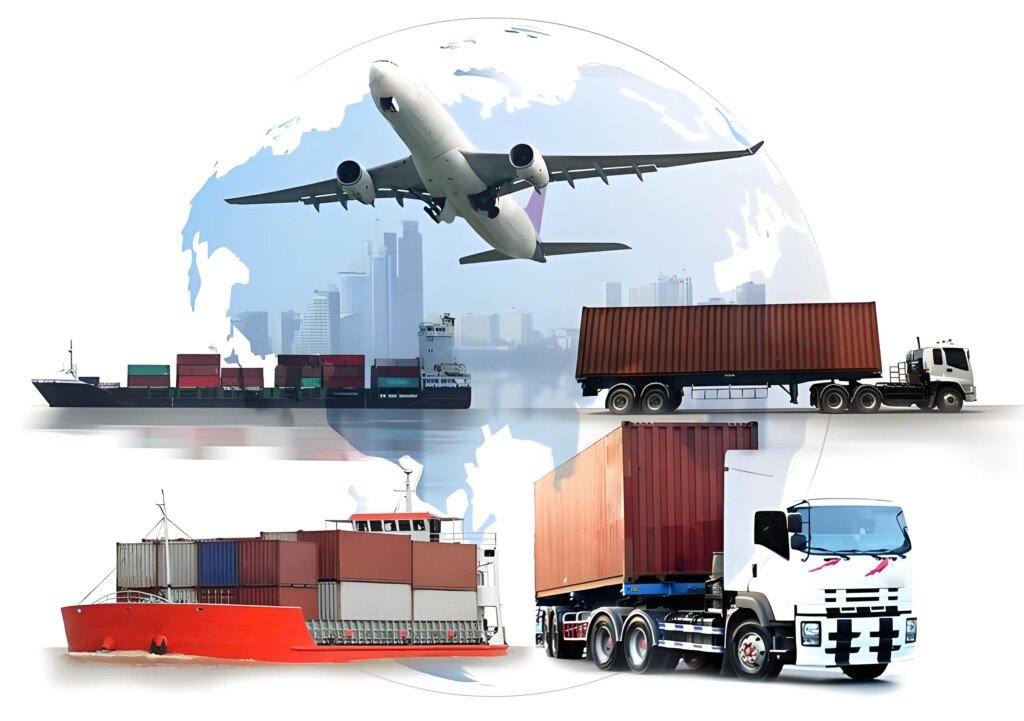
| Shipping and import | Freight, insurance, customs duties, and local fees | Varies by destination and shipping terms |
Request a Price Based on Your Project
There is no single price that fits every car wash business. A small gas station, a busy urban wash site, and a multi-lane express tunnel have different needs.
To prepare a useful quote, we need to understand your project first.
Please share the following details:
- Country and installation location
- Type of car wash system required
- Expected number of vehicles per day
- Available wash bay dimensions
- Preferred wash and drying features
- Local power supply and water conditions
- Installation and delivery requirements
2. Types of Fully Automatic Car Wash Machines
Choosing the right system is the first step toward controlling your investment. Each type serves a different business model. Therefore, the best choice depends on your available space, customer demand, and desired wash experience.
2.1 In-Bay Automatic Car Wash Machines
An in-bay automatic car wash machine cleans a vehicle inside a dedicated wash bay. Depending on the system, the washing unit moves around the vehicle while the vehicle remains in place.
This design works well for sites that need an automatic wash without a long conveyor tunnel.
Key features may include:
- Automatic wash cycle control
- Pre-soak and detergent application
- High-pressure rinsing
- Brush-based or touchless washing, depending on the model
- Optional wheel cleaning
- Optional underbody wash
- Integrated or optional drying equipment
Typical applications:
- Gas stations and fuel stations
- Convenience stores
- Independent car wash businesses
- Vehicle dealerships
- Commercial sites with limited space
An in-bay system may be a practical choice when you want to add automatic washing to an existing business. Before making a decision, check the available bay size, traffic flow, utility connections, and expected customer volume.
2.2 Touchless Automatic Car Wash Machines
A touchless automatic car wash machine uses high-pressure water and cleaning chemicals instead of wash brushes to clean the vehicle exterior.
As a result, it can appeal to customers who prefer a wash process without direct brush contact.
Potential advantages include:
- No direct brush contact during the wash cycle
- Flexible wash programs, depending on the model
- High-pressure cleaning options
- Optional wax or protective treatment
- Optional spot-free rinse
- Automatic cycle control
Touchless washing still depends on suitable chemicals, water pressure, nozzle design, and correct operating settings. Cleaning results can vary with road film, mud, vehicle condition, and the selected wash program.
For this reason, buyers should review real operating results rather than relying on the term “touchless” alone.
Best suited for:
- Premium wash services
- Gas stations
- Urban car wash sites
- Operators serving customers who prefer brush-free washing
- Businesses seeking an alternative to brush-based systems
2.3 Rollover Car Wash Machines
A rollover car wash machine uses a moving gantry to carry washing equipment around a stationary vehicle.
It is a common option for businesses that need a defined wash bay and an automated exterior cleaning process.
Available features may include:
- Automatic gantry movement
- Wash brushes and detergent systems
- High-pressure water jets
- Wheel cleaning options
- Wax application
- Rinse programs
- Automatic drying options
The exact features depend on the model and selected configuration.
A rollover system may suit independent car wash operators, fuel stations, dealerships, and fleet facilities. It can also help businesses expand their service range without building a full conveyor tunnel.
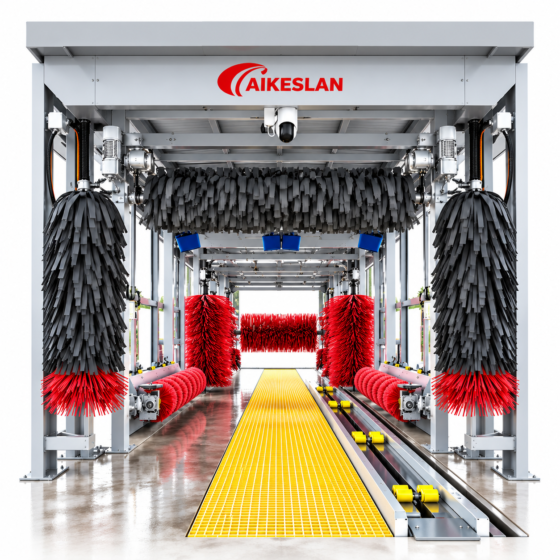
2.4 Automatic Tunnel Car Wash Systems
An automatic tunnel car wash system moves vehicles through a series of cleaning stages using a conveyor.
Compared with a single-bay system, a tunnel can support higher vehicle throughput when the layout, equipment, staffing, and customer demand are suitable.
A tunnel system may include:
- Vehicle entry and positioning equipment
- Conveyor systems
- Pre-soak and wash arches
- Brush-based cleaning modules
- High-pressure rinse stations
- Wax application systems
- Spot-free rinse options
- High-speed drying equipment
- Control and safety systems
Additional options depend on the tunnel design and business model.
Tunnel systems are often considered by high-volume operators, express wash businesses, and multi-site car wash groups.
However, they also require more planning. Buyers should assess the site layout, vehicle queue, building design, drainage, utilities, and local approval requirements before selecting a system.
2.5 Which Automatic Car Wash Machine Is Right for You?
| Business Need | System to Consider | Main Point to Review |
|---|---|---|
| Limited site space | In-bay automatic | Bay size and access |
| Brush-free washing | Touchless automatic | Cleaning performance and chemical use |
| Automated washing in one bay | Rollover or gantry | Wash cycle and vehicle compatibility |
| High customer volume | Tunnel car wash | Throughput, queue space, and conveyor design |
| Gas station expansion | In-bay or rollover system | Existing utilities and customer traffic |
| Vehicle dealership | In-bay or rollover system | Wash quality and vehicle handling |
| Fleet vehicle cleaning | System selected for fleet size | Vehicle dimensions and daily workload |
| Multi-site operation | Standardized commercial system | Service, spare parts, and control options |
The best system is not always the one with the lowest purchase price. Instead, compare its expected output, operating needs, service support, and total cost of ownership.
3. What Affects the Price of a Fully Automatic Car Wash Machine?

Price of fully automatic car wash machines
Understanding the main price factors helps you compare quotations more accurately.
3.1 Machine Size and Configuration
Larger systems often require more mechanical parts, control equipment, and installation work.
For example, a single-bay automatic machine has a different structure from a multi-stage tunnel system. Even within the same product category, the price can change with the selected configuration.
Before comparing suppliers, confirm that each quotation covers the same equipment scope.
3.2 Wash Technology
Brush-based and touchless systems use different cleaning methods.
Brush-based systems rely on contact cleaning. Touchless systems use high-pressure water and cleaning chemicals. Some commercial solutions also combine different cleaning methods.
Each approach has its own operating needs. Therefore, buyers should consider local customer preferences, typical vehicle dirt, chemical costs, and maintenance requirements.
3.3 Drying Performance
Drying equipment can affect both the machine price and the customer experience.
The required setup depends on the wash cycle, vehicle types, local climate, and expected service level. Buyers should ask about blower configuration, drying coverage, and the expected drying result under stated operating conditions.
3.4 Automation and Control Features
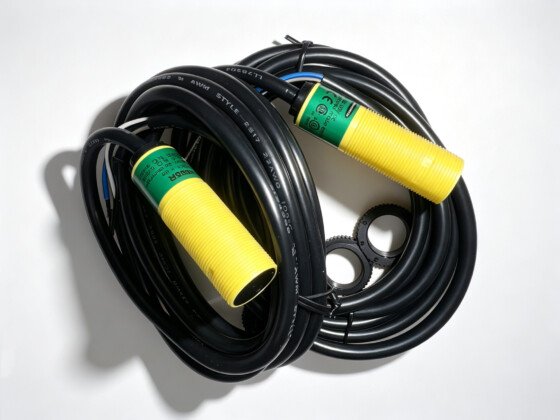
A modern automatic car wash may use sensors, programmable controls, automatic cycle selection, and system monitoring.
Optional features may include remote status checks, fault alerts, payment integration, and management software.
However, not every site needs every option. Select features that support your operating model rather than paying for functions you will not use.
3.5 Water Treatment and Recycling
Water treatment and recycling can affect the initial project budget.
The correct setup depends on water quality, local water supply, wastewater rules, and the selected machine. Some sites may benefit from a water recycling system, while others need a different treatment approach.
Ask your supplier to explain the system design, expected water use, maintenance needs, and any site-specific limits.
3.6 Installation and Site Preparation
The machine price may not include all installation work.
Depending on the project, extra work may include:
- Concrete foundations and floor preparation
- Drainage and wastewater connections
- Electrical supply upgrades
- Water supply and pipework
- Equipment room preparation
- Assembly and commissioning
- Local inspections and approvals
For this reason, request a clear breakdown of equipment supply, installation support, and work that must be completed by local contractors.
3.7 Shipping, Duties, and Local Support
For imported car wash equipment, the final delivered cost depends on the destination, shipping method, packaging, insurance, customs duties, and applicable taxes.
It also depends on the agreed delivery terms.
Buyers in North America and Europe should confirm who handles customs clearance, unloading, local installation, and after-sales service.
A clear quotation helps prevent unexpected costs later.
4. Fully Automatic Car Wash Machine Specifications
Technical specifications help you determine whether a machine fits your site and operating needs.
However, the correct specifications vary by model. The following table shows the main items to review before placing an order.
| Specification | What to Confirm |
|---|---|
| Model | Exact model and configuration |
| Machine type | In-bay, rollover, touchless, or tunnel |
| Vehicle dimensions | Maximum vehicle length, width, and height |
| Wash method | Brush-based, touchless, or combined |
| Wash cycle | Cycle options and duration under stated conditions |
| Rated capacity | Manufacturer-rated throughput and test conditions |
| Power supply | Voltage, frequency, phase, and connected load |
| Water supply | Flow rate, pressure, and water quality requirements |
| Air supply | Requirements, if applicable |
| Drying system | Blower configuration and drying options |
| Control system | PLC, HMI, sensors, and available integrations |
| Payment system | Supported payment hardware and software |
| Water recycling | Available options and connection requirements |
| Safety features | Sensors, emergency stops, guarding, and operating controls |
| Installation | Space, foundations, drainage, and access requirements |
| Service | Warranty terms, spare parts, and technical support |
Download the Technical Data Sheet
Before buying, review the technical data sheet for the exact model.
It should show the rated electrical load, water requirements, operating dimensions, vehicle limits, and included features. It should also identify optional equipment and any conditions that affect the stated capacity.
[Download Technical Specifications]
If you cannot find a specification you need, contact our team for clarification.
5. Applications of Commercial Automatic Car Wash Equipment
Different businesses need different washing solutions. Therefore, application-based planning is an important part of the buying process.
Gas Stations and Fuel Stations
An automatic car wash can add another service to an existing fuel station.
An in-bay or rollover system may be suitable when space is limited. Before installation, review vehicle access, queue space, utility capacity, drainage, and the local customer market.
Independent Car Wash Businesses
Independent operators need to balance equipment cost with wash quality and daily operating needs.
The right system depends on local demand, service prices, site size, and the number of vehicles you expect to serve.
A clear operating cost model can help you compare different configurations before investing.
Car Dealerships and Automotive Service Centers
Dealerships often need a consistent process for cleaning customer vehicles, used cars, and vehicles prepared for delivery.
An automatic wash system can help standardize the exterior cleaning process. Vehicle dimensions, finish requirements, and the expected daily workload should guide the selection.
Fleet Operators and Commercial Vehicles
Fleet operators may need to wash passenger cars, vans, or other compatible vehicles on a regular schedule.
Before selecting a system, confirm the maximum vehicle size and the machine’s approved use. Larger commercial vehicles may require a different configuration from standard passenger-car equipment.
Multi-Site Operators and Distributors
Businesses managing several locations may value standardized equipment, consistent documentation, and a clear spare parts plan.
Distributors may also need technical training, marketing materials, installation guidance, and a defined process for handling service requests.
[Discuss Your Application with Our Team]
6. How to Estimate the Total Cost of Ownership
The initial equipment price is only one part of the investment.
To compare automatic car wash machines fairly, review the total cost of ownership over a chosen period.
Initial Investment
Include:
- Machine purchase price
- Selected optional equipment
- Shipping and insurance
- Customs duties and taxes, where applicable
- Site preparation
- Local installation
- Commissioning and staff training
- Initial spare parts and supplies
Not every project requires every item. The final list depends on the scope of supply and the condition of the site.
Ongoing Operating Costs
Common operating expenses include:
- Water and wastewater charges
- Electricity
- Detergents and other wash chemicals
- Routine maintenance
- Replacement parts
- Labor and site management
- Payment processing fees
- Insurance and other local business costs
A fully automatic system may reduce some manual tasks. However, it does not remove the need for cleaning, inspection, maintenance, and operational oversight.
A Simple Cost Comparison
Use the following framework to compare suppliers:
Total Initial Investment = Equipment + Delivery + Site Preparation + Installation + Other Startup Costs
Annual Operating Cost = Utilities + Chemicals + Labor + Maintenance + Other Operating Expenses
Total Cost of Ownership = Initial Investment + Operating Costs Over the Selected Period
To compare two machines, use the same time period and similar operating assumptions.
This method gives you a clearer view of the long-term cost than the machine price alone.
7. Can an Automatic Car Wash Machine Generate a Good Return?
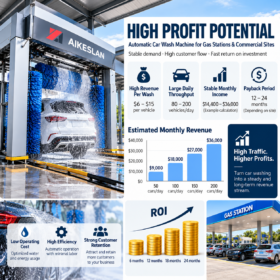
The return on an automatic car wash investment depends on customer demand, wash prices, vehicle volume, operating costs, and the initial investment.
There is no guaranteed payback period. However, a simple financial model can help you test whether a project is worth pursuing.
Example: Estimate Your Monthly Revenue
Use these inputs:
- Average paid washes per day: [Number]
- Average revenue per wash: [$ Amount]
- Operating days per month: [Number]
Estimated Monthly Wash Revenue = Paid Washes per Day × Average Revenue per Wash × Operating Days per Month
For example, if a site completes 40 paid washes per day, earns an average of $12 per wash, and operates for 30 days, its estimated monthly wash revenue is $14,400.
This is gross wash revenue, not profit. It excludes operating expenses, taxes, financing, and other business costs.
Estimate Your Operating Profit
Estimated Operating Profit = Revenue − Operating Expenses
For a more useful estimate, include all relevant costs, such as water, electricity, chemicals, labor, maintenance, rent, insurance, and payment fees.
Estimate the Payback Period
Simple Payback Period = Initial Investment ÷ Annual Net Cash Flow
This calculation is a planning tool, not a guarantee. A full financial forecast should also consider financing costs, taxes, equipment life, repairs, seasonality, and changes in customer demand.
At [Brand Name], we can help you identify the equipment and operating details needed for a project estimate.
[Request a Project Cost Review]
8. Installation Requirements in North America and Europe
Installation planning should begin before you order the machine.
Local building rules, water regulations, electrical standards, wastewater requirements, and site conditions can affect the project schedule and total cost.
Electrical Requirements
Confirm the local voltage, frequency, phase, connected load, protective devices, and grounding requirements.
Do not assume that a machine designed for one market can be connected directly to another market’s power supply.
Water Supply and Drainage
Check the available water flow, pressure, water quality, floor drainage, and wastewater connection.
Local authorities may set specific rules for wastewater discharge or water reuse. Ask the project engineer or local authority to confirm the requirements for your site.
Site Layout and Vehicle Access
The wash bay must fit the machine and the vehicles it is designed to handle.
Also consider vehicle entry, exit, turning space, customer queues, maintenance access, and safe movement around the equipment.
European Market Requirements
For projects in the European Union, confirm which product safety and conformity rules apply to the exact machine.
Where applicable, the supplier should provide the required technical documentation, instructions, and conformity information. CE marking must be handled according to the legislation that applies to the product; it should not be treated as a generic quality certificate.
Buyers should also review applicable electrical, machinery safety, environmental, and wastewater requirements.
North American Market Requirements
For projects in the United States and Canada, confirm the applicable local building and electrical codes, equipment approval requirements, wastewater rules, and workplace safety obligations.
Requirements can differ by state, province, city, and installation site. Therefore, local review is essential.
Pre-Installation Checklist
Before the equipment ships, confirm:
- Final machine layout
- Site dimensions
- Foundation and floor requirements
- Electrical and water connections
- Drainage and wastewater arrangements
- Delivery access and unloading plan
- Installation responsibilities
- Commissioning procedure
- Operator training
- Spare parts and service contacts
[Request Installation Information]
9. Maintenance and After-Sales Support
Regular maintenance helps keep an automatic car wash operating as intended.
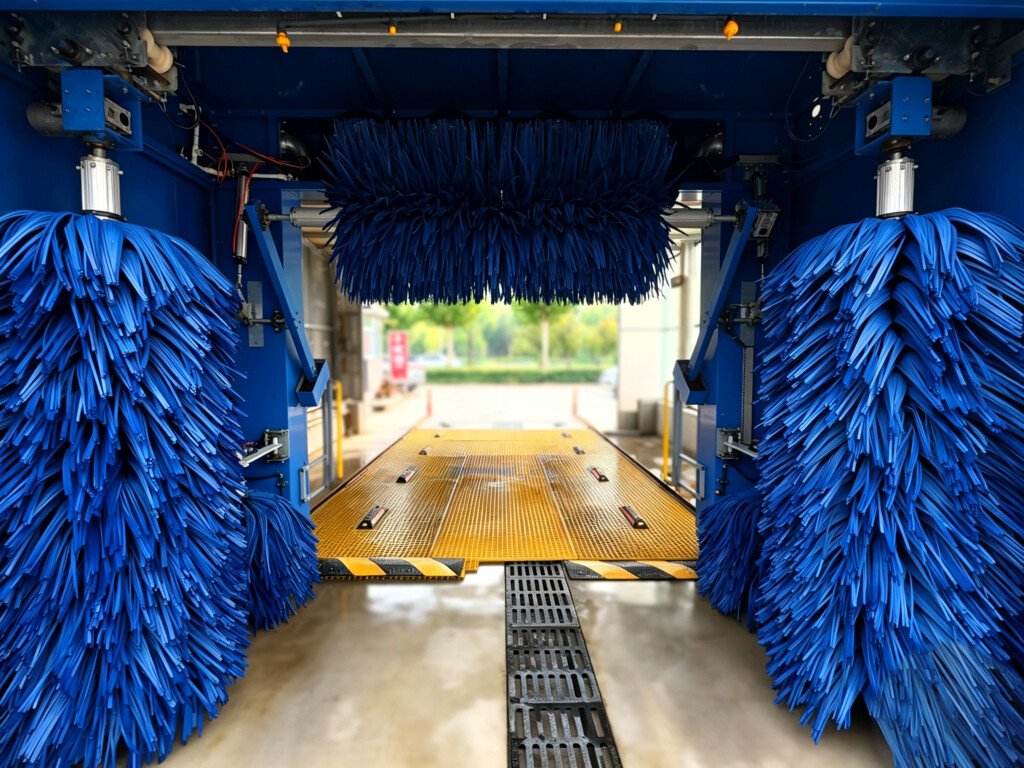
Price of fully automatic car wash machines
Routine Maintenance
A maintenance plan may include:
- Checking sensors and safety devices
- Inspecting pumps, hoses, and connections
- Cleaning nozzles and filters
- Checking brushes and other moving parts
- Inspecting blowers and drying equipment
- Checking chemical dosing systems
- Reviewing fault records
- Replacing worn components as needed
Always follow the manufacturer’s maintenance instructions.
Spare Parts Availability
Before purchasing, ask which spare parts are stocked, how parts are ordered, and what delivery times apply to your location.
For distributors and multi-site operators, a recommended spare parts list can help support planned maintenance.
Technical Support
Confirm the type of technical support included with the machine.
Ask whether the supplier provides installation guidance, remote troubleshooting, operating manuals, maintenance training, and support for replacement parts.
Also confirm the support hours, warranty coverage, response process, and any extra charges.
Warranty Terms
Warranty coverage depends on the supplier, model, and sales agreement.
Before placing an order, request written details covering the warranty period, covered components, exclusions, labor, shipping, and claim procedures.
[Ask About Warranty and Service Support]
10. Why Choose [Brand Name] for Automatic Car Wash Equipment?
Selecting a car wash machine is a long-term business decision. Therefore, buyers should review more than the initial price.
At [Brand Name], our goal is to help each customer select equipment that fits the project.
Project-Based Equipment Selection
We review your intended application, site conditions, expected vehicle volume, and preferred features before recommending a configuration.
This helps you compare suitable options instead of paying for unnecessary functions.
Clear Quotation Details
A useful quotation should identify the model, included equipment, optional features, delivery terms, installation scope, and warranty conditions.
We aim to make these details clear so you can compare the proposal with other suppliers.
Technical Documentation
The relevant technical documents help your project team plan utilities, space, installation, and operation.
Available documents depend on the selected model and the agreed scope of supply.
Support for International Buyers
For international projects, discuss shipping arrangements, export documentation, installation responsibilities, spare parts, and technical support before ordering.
For European and North American buyers, these details are especially important because local requirements and service arrangements can differ.
Solutions for Different Business Models
Whether you operate a fuel station, dealership, fleet facility, or dedicated car wash site, we can review the available equipment options with you.
Our aim is to help you make a practical decision based on the project, not simply the lowest quoted price.
[Contact Our Sales Team]
Please replace this section with verified company information, actual service capabilities, real project references, and applicable product documentation before publication.
11. Frequently Asked Questions About Fully Automatic Car Wash Machine Prices
How much does a fully automatic car wash machine cost?
The price depends on the machine type, configuration, wash features, drying system, and supplier’s scope of supply. A single-bay automatic machine generally has a different cost structure from a commercial tunnel system.
For an accurate price, request a quote based on your site, target vehicle volume, and required features.
What is included in the price of an automatic car wash machine?
The included items vary by supplier and model. A quotation may cover the main machine and selected accessories, while shipping, installation, civil work, taxes, or optional equipment may be charged separately.
Always ask for a written list of included and excluded items.
Is a touchless car wash machine more expensive than a brush-based system?
The answer depends on the selected models and features. High-pressure pumps, water systems, chemical controls, and optional functions can affect the price of a touchless system.
Compare the full configuration and expected operating costs rather than comparing the technology name alone.
What is the difference between an in-bay and a tunnel car wash system?
An in-bay system washes a vehicle inside a dedicated bay. A tunnel system moves vehicles through a series of cleaning stages on a conveyor.
An in-bay system may suit sites with limited space or moderate demand. A tunnel may be more suitable for businesses planning higher throughput, provided the site and customer volume support it.
How long does installation take?
Installation time depends on the machine, site readiness, shipping, construction work, utility connections, and local approvals.
Ask your supplier for a project schedule that separates equipment production, shipping, site preparation, installation, testing, and commissioning.
Can an automatic car wash machine operate with limited staff?
Automation can reduce the amount of manual work required for each wash. However, the business may still need staff for customer assistance, site cleaning, routine inspections, chemical handling, maintenance, and troubleshooting.
Actual staffing needs depend on the operating model and local requirements.
What site requirements should I check before buying?
Start with the machine dimensions, vehicle size limits, power supply, water flow, drainage, floor layout, and access for delivery and maintenance.
You should also check local building, wastewater, electrical, and equipment approval requirements before finalizing the design.
Are water recycling systems available?
Some automatic car wash systems can be supplied with water treatment or recycling options. Availability and performance depend on the model and system design.
Before buying, confirm the expected water quality, treatment steps, maintenance requirements, and local rules for water reuse and wastewater discharge.
Do you supply automatic car wash machines to the United States, Canada, and Europe?
[Brand Name] can provide information on the markets it serves, available configurations, shipping options, and technical documentation.
Please contact our team to confirm delivery to your country, local support arrangements, and the requirements for your project.
Publish this answer only after confirming the company’s actual export coverage.
How can I get a quotation for a commercial automatic car wash machine?
Send your country, preferred machine type, expected wash volume, available site dimensions, and required features.
Our team can then review your requirements and prepare a quotation for the selected configuration.
[Request Your Custom Quote]
12. Get a Custom Price for Your Fully Automatic Car Wash Machine

Price of fully automatic car wash machines
Choosing the right automatic car wash equipment starts with understanding your business needs.
Whether you are planning a new wash site, upgrading an existing facility, or sourcing equipment for distribution, we can help you review the available options.
To help us prepare a useful quotation, please provide:
- Country: Where will the machine be installed?
- Business type: Gas station, car wash, dealership, fleet facility, or distributor?
- Machine type: In-bay, rollover, touchless, or tunnel?
- Expected volume: How many vehicles do you plan to wash per day?
- Site size: What space is available for the machine?
- Required features: Which wash, drying, payment, or water treatment options do you need?
- Project stage: Are you comparing suppliers, preparing a site, or ready to purchase?
With these details, we can review the project and identify a suitable equipment configuration.
Request your quotation today and take the next step toward a better-planned automatic car wash project.