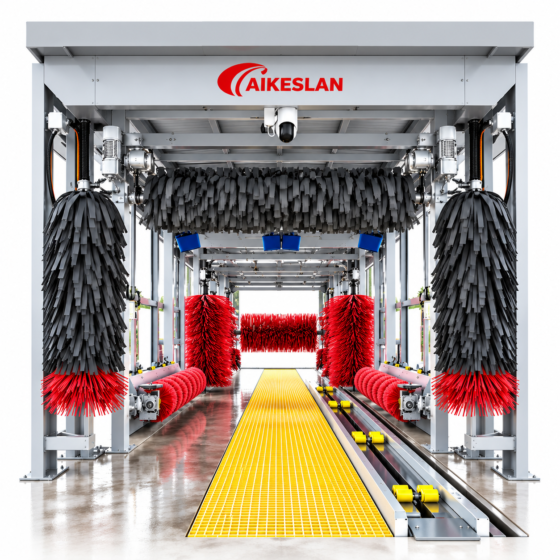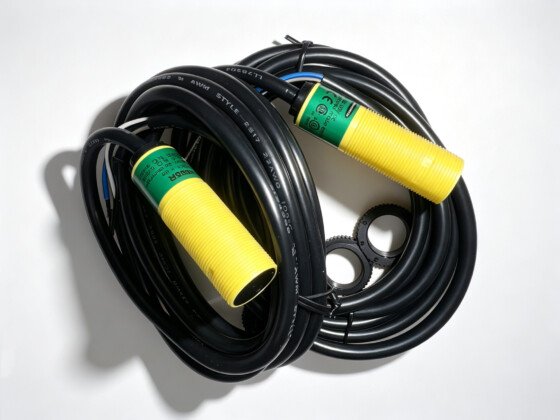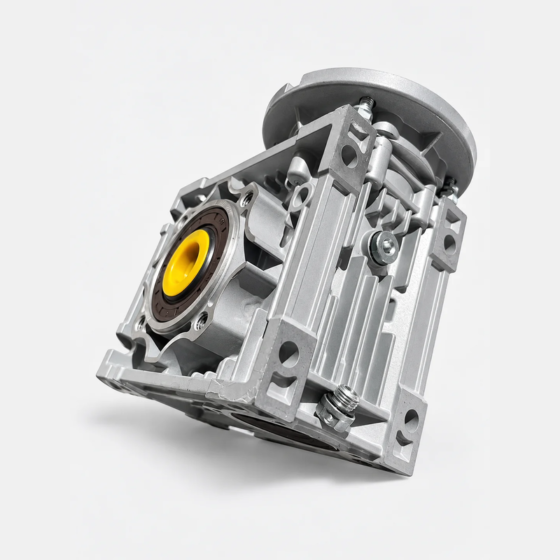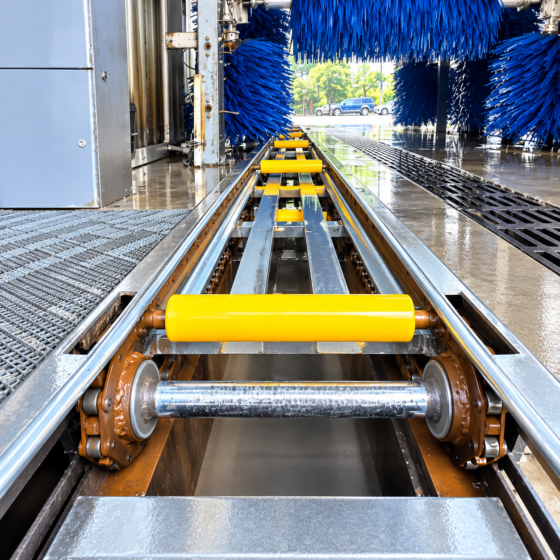


Automatic Car Wash Machine Sensor – Reliable Sensors for Vehicle Detection and Wash System Control
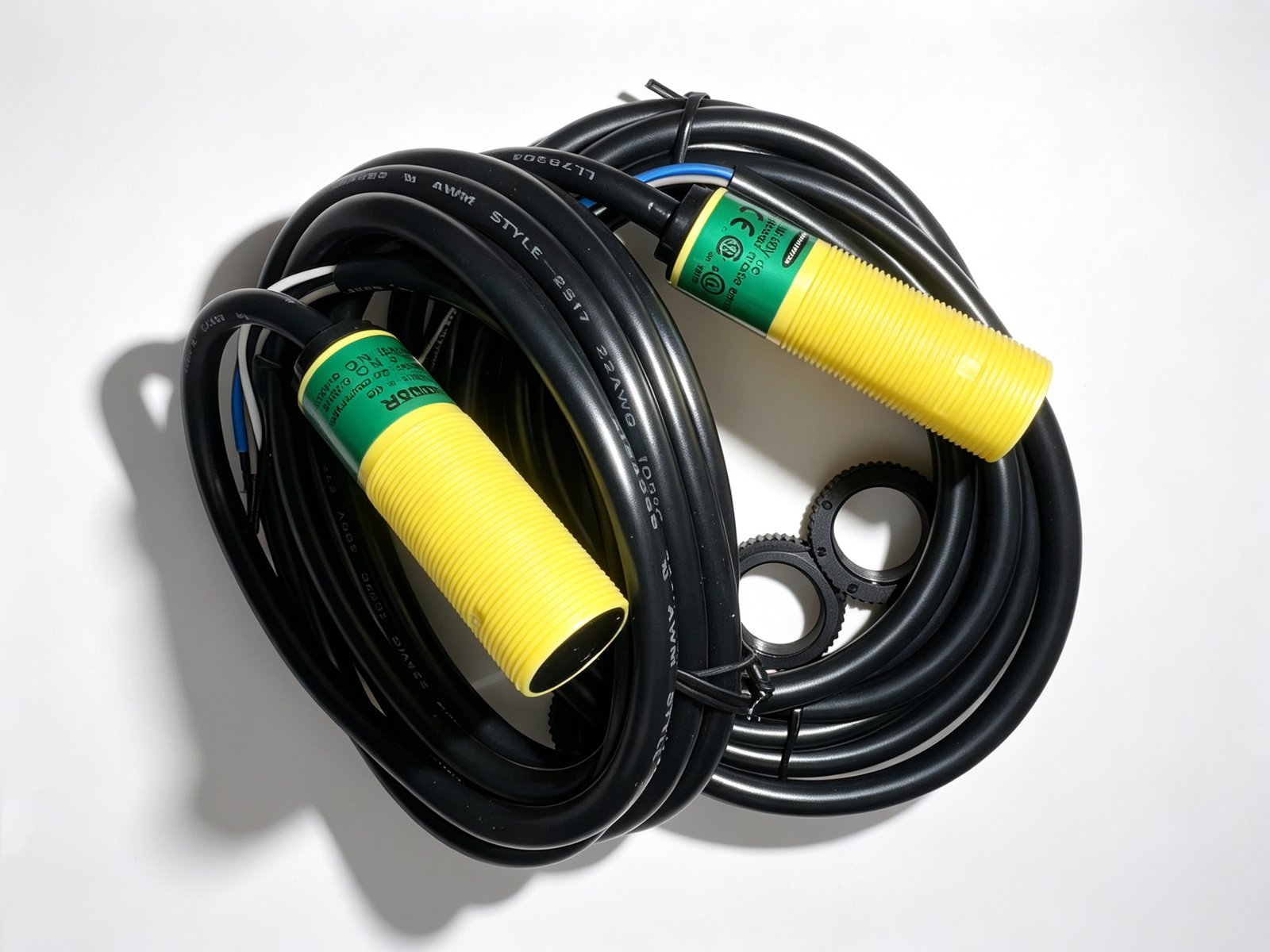
Automatic Car Wash Machine Sensor
Industrial Sensor Solutions for Automatic Car Wash Equipment, OEM Projects, and Replacement Applications
An Automatic Car Wash Machine Sensor plays an important role in the safe and efficient operation of modern vehicle washing equipment. Sensors help detect vehicle presence, monitor equipment positions, and send signals to the machine control system.
In an automated car wash, different parts must work together at the right time. For example, the machine may need to confirm that a vehicle has entered the wash bay before starting a cleaning cycle. It may also need to monitor the position of moving equipment before allowing the next operation.
Therefore, choosing the right sensor helps support accurate detection, stable automation, and reliable equipment performance.
Our automatic car wash sensor solutions cover a range of application needs, including vehicle detection, position sensing, equipment monitoring, and replacement projects.
Whether you are building a new car wash system or maintaining an existing machine, the correct sensor must match your application, electrical system, mounting design, and working environment.
We welcome inquiries from automatic car wash manufacturers, equipment distributors, system integrators, maintenance companies, and commercial car wash operators.
Key Product Highlights
- Sensor solutions for automatic car wash machine applications
- Vehicle presence and equipment position detection
- Photoelectric, proximity, magnetic, and position sensing options
- Sensor selection based on detection distance and target material
- Compatibility review for PLC and industrial control systems
- Environmental protection options for wet operating conditions
- Replacement matching for existing car wash equipment
- OEM technical specification and project inquiries
- Support for sensor selection and application requirements
- B2B purchasing and international shipping inquiries
Looking for a suitable automatic car wash machine sensor?
Send us your existing sensor model, machine information, or technical requirements. Our team can review your application and help identify suitable sensor specifications.
Request a Quote | Contact Us | Send Your Sensor Specifications
What Is an Automatic Car Wash Machine Sensor?
An automatic car wash machine sensor is a detection device used to provide information to a vehicle washing machine’s control system.
Depending on its design, the sensor can detect a vehicle, identify the position of a moving part, confirm the presence of an object, or monitor a specific operating condition.
The sensor converts a physical condition into an electrical or other suitable output signal. The machine controller then uses that information to manage the washing process.
For example, a vehicle detection sensor may signal that a car has entered the wash area. A position sensor may confirm that a moving brush assembly has reached its intended position.
As a result, sensors help the system coordinate washing, rinsing, drying, and movement operations.
However, not all sensors perform the same function. Different applications require different sensing technologies.
How Do Automatic Car Wash Sensors Work?
The working principle depends on the type of sensor.
A photoelectric sensor uses light to detect an object. An inductive proximity sensor detects suitable metal targets. A magnetic sensor can detect a magnetic field, while some position sensors use mechanical contact or other methods.
After detecting the required condition, the sensor sends a signal to the control system.
The controller then processes the signal according to the machine’s programmed logic.
For example, when a vehicle reaches a defined location, a photoelectric sensor may change its output state. The controller can use that information as one input in its washing sequence.
In addition, position sensors may help verify that moving equipment has reached the correct location.
This process supports automatic operation with less direct manual control.
In simple terms, automatic car wash sensors help the machine detect what is happening and respond according to its control program.
Key Features of Sensors for Automatic Car Wash Machines
1. Accurate Vehicle Detection
Vehicle detection is an important part of automated washing.
A sensor may be used to detect the presence of a vehicle at the entrance, inside the wash bay, or at another selected position.
This information helps the controller determine when certain operations should begin.
For example, an entrance sensor may signal that a vehicle has arrived.
However, reliable detection depends on the sensor type, installation position, target surface, and surrounding conditions.
Therefore, the sensor must be selected and installed for the actual application.
2. Reliable Position Monitoring
Automatic car wash machines often contain moving equipment.
Depending on the system design, these parts may include brush assemblies, gantry mechanisms, conveyor components, or movable drying equipment.
Position sensors can help confirm the location of these components.
As a result, the control system can use position feedback to manage the machine sequence.
However, sensors do not replace suitable mechanical stops or required safety devices.
3. Fast Signal Response
Some car wash applications require sensors to respond to moving vehicles or equipment.
Therefore, response time is an important selection factor.
For example, a sensor used in a moving conveyor system may need to detect an object within a limited time.
The required response speed depends on the operating speed, detection distance, and machine control design.
A suitable sensor helps provide timely information to the controller.
4. Protection for Wet Environments
Car wash equipment operates in areas where water spray, mist, and cleaning chemicals are common.
As a result, environmental protection must be considered when selecting sensors.
Some industrial sensors are available with enclosures designed for exposure to water and dust.
However, the required protection level depends on the installation location and cleaning process.
For example, a sensor inside a protected control cabinet may need different protection from one installed close to spray nozzles.
Therefore, buyers should check the actual ingress protection rating and installation requirements.
5. Integration With Industrial Control Systems
Automatic car wash sensors often connect to programmable logic controllers, or PLCs.
Depending on the sensor design, output options may include PNP, NPN, relay, analog, or other signal types.
However, the sensor output must match the controller input and electrical system.
For this reason, buyers should confirm operating voltage, wiring configuration, output type, and connector design before ordering.
6. Flexible Installation Options
Car wash machines have different equipment layouts.
Therefore, sensors may require different shapes, mounting brackets, detection angles, and connection methods.
Some sensors are designed for cylindrical mounting, while others use rectangular housings or dedicated brackets.
The correct mounting arrangement helps support stable detection and easier maintenance.
7. Replacement Compatibility
Sensors may need replacement because of physical damage, electrical faults, contamination, or wear.
However, a replacement sensor should not be selected by appearance alone.
Even sensors with similar housings may have different sensing distances, output functions, wiring, or response times.
Therefore, technical compatibility must be confirmed before installation.
Main Types of Sensors Used in Automatic Car Wash Machines
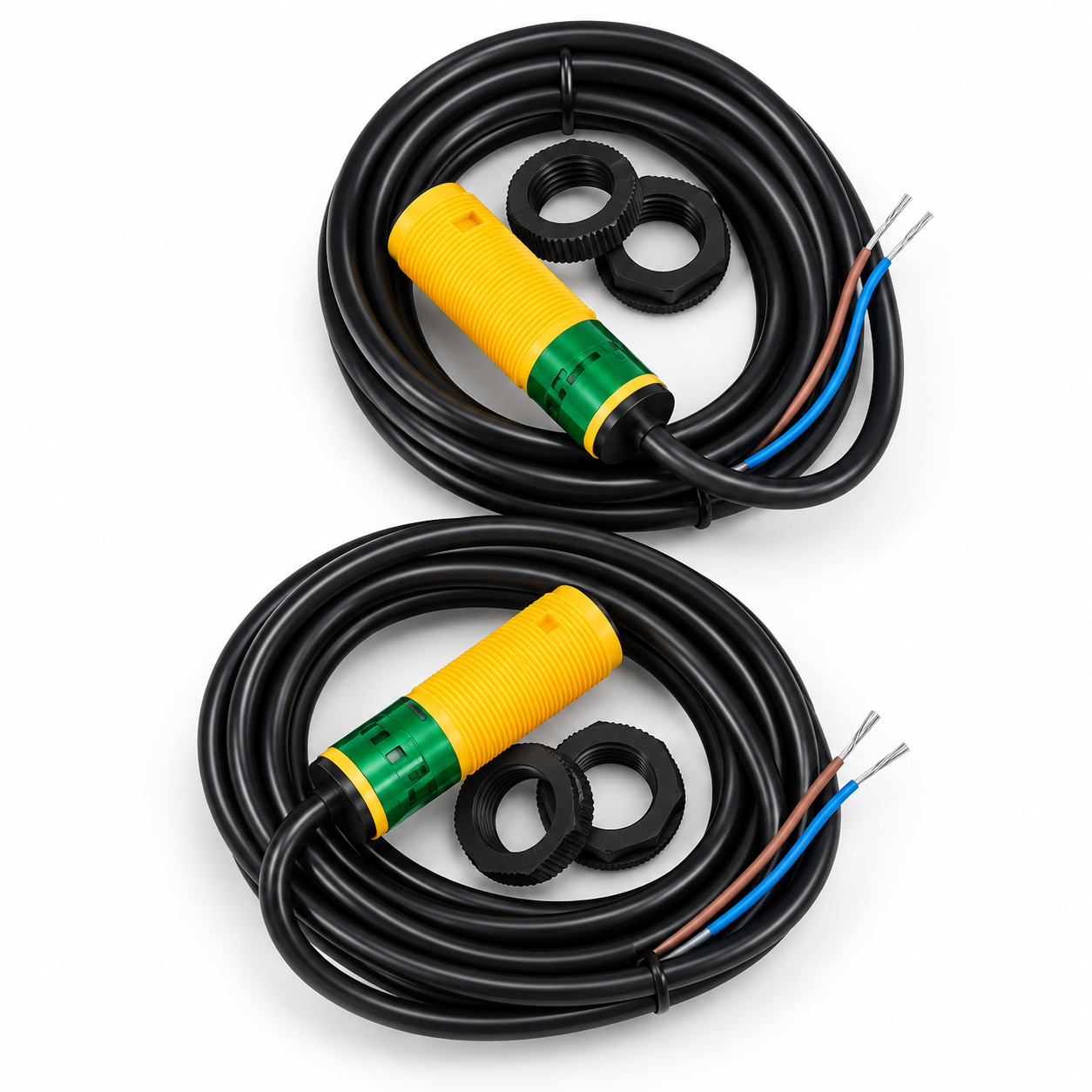
Automatic Car Wash Machine Sensor
Different sensing technologies are used for different tasks.
Understanding the main sensor types can help buyers choose the correct replacement or OEM component.
Photoelectric Sensor for Automatic Car Wash Machines
A photoelectric sensor uses a light source and receiver to detect objects.
Depending on the design, it may operate through a through-beam, retroreflective, or diffuse-reflective detection method.
Photoelectric sensors are widely used in industrial automation.
In automatic car wash equipment, they may help detect vehicle presence or objects moving through a defined area.
For example, a sensor can provide an input when a vehicle reaches a selected detection point.
However, water droplets, foam, dirt, steam, and reflective surfaces can affect some photoelectric sensing methods.
Therefore, the correct sensor type and installation position are important.
Common applications include:
- Vehicle entrance detection
- Vehicle presence monitoring
- Conveyor object detection
- Equipment position confirmation
- Wash bay detection points
Proximity Sensor for Car Wash Equipment
A proximity sensor detects an object without direct mechanical contact.
Different proximity sensor types use different detection principles.
An inductive proximity sensor detects suitable metallic targets.
Meanwhile, a capacitive proximity sensor can detect changes in capacitance caused by certain materials or objects.
In automatic car wash machines, inductive sensors may be used to detect metal components in moving equipment.
For example, a metal target attached to a moving mechanism may pass close to the sensor.
The sensor then sends a signal to the controller.
Because sensing distance depends on the sensor design and target material, buyers should review the technical specifications carefully.
Magnetic Sensor for Pneumatic Cylinders
Some automatic car wash machines use pneumatic cylinders to move equipment components.
In these systems, magnetic sensors may be used to detect piston position when the cylinder is designed for magnetic sensing.
The sensor detects the magnetic field associated with the piston assembly.
As a result, the controller can receive information when the cylinder reaches a selected position.
However, the sensor must match the cylinder design, mounting groove, electrical supply, and output requirements.
Common applications include:
- Pneumatic cylinder position detection
- Brush arm movement confirmation
- Actuator extension monitoring
- Actuator retraction monitoring
- Automated mechanism feedback
Limit Switch and Position Sensor
Limit switches are used to detect when a mechanical part reaches a defined position.
Some limit switches operate through physical contact.
Other position detection functions may use non-contact sensors.
In car wash equipment, these devices can help monitor the travel position of moving mechanisms.
For example, a position sensor may confirm that a gantry has reached a reference location.
However, the required device depends on the control system and mechanical design.
A standard position sensor should not be assumed to provide a certified safety function.
Vehicle Detection Sensor
Vehicle detection sensors help identify the presence or movement of vehicles within a washing system.
Depending on the equipment design, vehicle detection may use photoelectric, inductive-loop, ultrasonic, radar, or other sensing technologies.
Each method has advantages and limits.
For example, an inductive loop may detect suitable vehicles through changes in an electromagnetic field.
An optical sensor may detect when an object interrupts a light beam.
Therefore, buyers should select vehicle detection technology according to the wash bay layout and detection requirements.
Ultrasonic Sensor for Car Wash Equipment
An ultrasonic sensor uses sound waves to detect distance or object presence.
It sends an ultrasonic pulse and evaluates the returning signal.
Some systems use ultrasonic sensing for distance measurement or object detection.
However, ultrasonic sensors may be affected by environmental conditions, target shape, and installation geometry.
In car wash environments, heavy spray, foam, airflow, and changing surfaces must be considered.
Therefore, application testing is important before using ultrasonic sensors in critical detection functions.
Automatic Car Wash Machine Sensor Technical Specifications
Sensor specifications vary widely by type, model, and application.
The following table outlines the main parameters buyers should check before purchasing.
| Specification | Description |
|---|---|
| Product Name | Automatic Car Wash Machine Sensor |
| Product Category | Industrial Detection Sensor |
| Sensor Type | Photoelectric / Proximity / Magnetic / Position / Other |
| Detection Principle | Depends on selected sensor technology |
| Rated Operating Voltage | According to selected sensor model |
| Output Type | PNP / NPN / Relay / Analog / Other, where available |
| Detection Distance | Based on sensor type and target conditions |
| Response Time | According to model specifications |
| Enclosure Protection | Model-specific IP rating |
| Housing Material | According to selected configuration |
| Connection Type | Cable / Connector / Terminal, where available |
| Switching Function | NO / NC / Configurable, where supported |
| Installation Type | Threaded / Bracket / Dedicated Mount |
| Operating Temperature | According to product datasheet |
| Electrical Protection | Model-dependent protection features |
| Control Compatibility | Subject to controller requirements |
| Application | Automatic Vehicle Washing Equipment |
| Replacement Matching | Model and specification review |
| OEM Requirements | Subject to technical evaluation |
Technical Note: This is a specification guide, not a confirmed datasheet for a single sensor. Final voltage, IP rating, sensing distance, output configuration, dimensions, and certificates must be verified for each model.
Understanding Sensor Detection Distance
Detection distance is the range within which a sensor can detect a target under specified conditions.
However, different sensors measure or detect objects in different ways.
For example, an inductive sensor’s detection distance depends partly on the target metal and size.
Meanwhile, photoelectric sensing performance can depend on the target’s color, surface, background, and optical conditions.
Therefore, the listed sensing distance should not be treated as a guaranteed detection range for every car wash application.
Understanding Sensor Output Types
Many industrial sensors use switching outputs to communicate with controllers.
PNP and NPN are common transistor output configurations.
However, the correct type depends on the PLC input design and wiring arrangement.
Buyers must also check whether the sensor uses normally open or normally closed switching behavior.
Incorrect output selection may prevent the sensor from working with the existing controller.
Understanding IP Protection Ratings
IP ratings describe levels of protection against solid objects and water entry under defined test conditions.
For example, IP67 is associated with dust-tight protection and specified temporary immersion conditions.
However, an IP rating does not automatically confirm resistance to all detergents, high-pressure jets, or repeated chemical exposure.
For this reason, the full environmental specification must be reviewed.
Understanding Sensor Response Time
Response time describes how quickly a sensor output changes after the relevant detection condition occurs.
This is especially important for moving equipment.
However, the complete detection response also depends on the PLC scan time, input filtering, and control logic.
Therefore, the full system response should be reviewed for time-sensitive applications.
How to Choose the Right Sensor for an Automatic Car Wash Machine
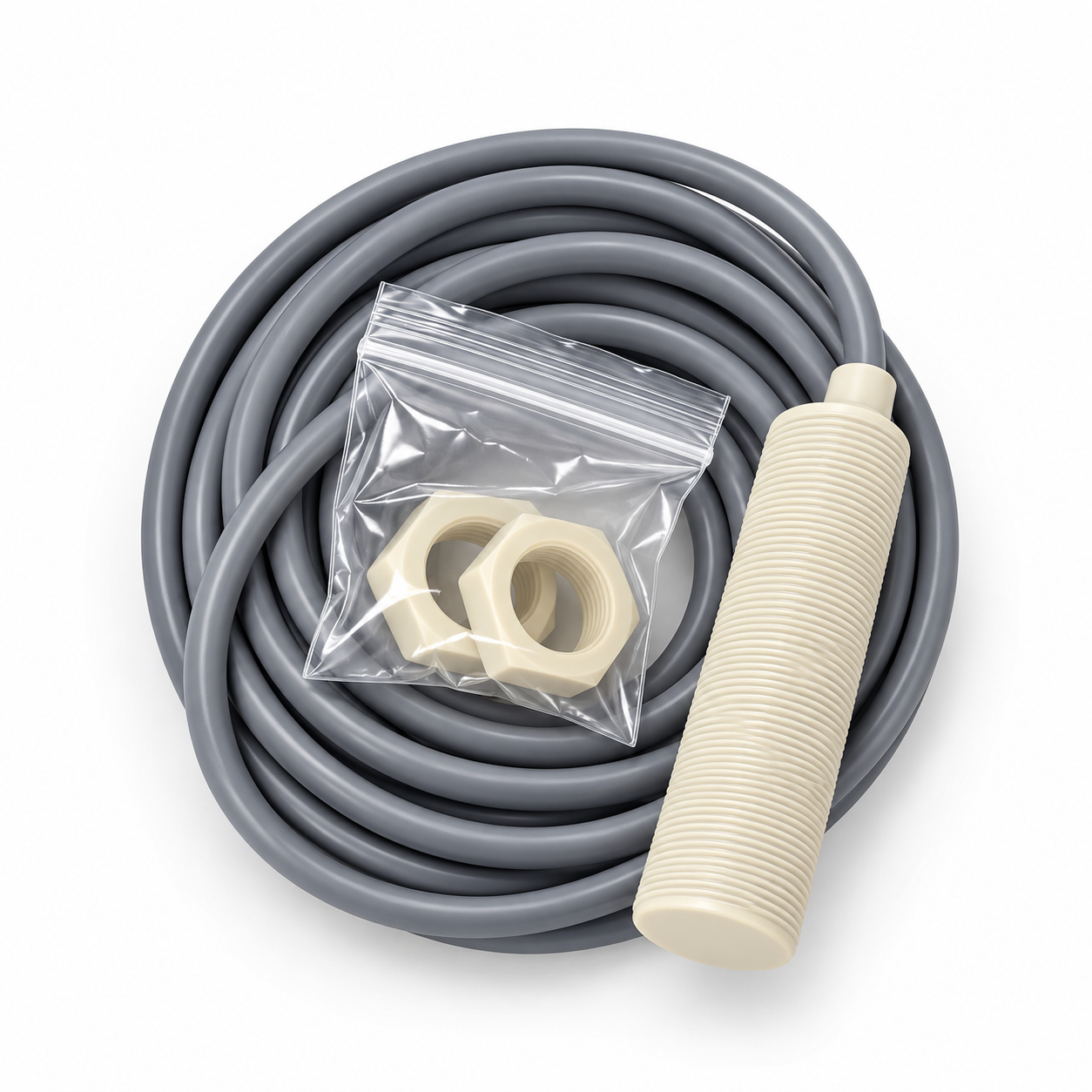
Automatic Car Wash Machine Sensor
Selecting a sensor begins with understanding what the machine needs to detect.
Step 1: Identify the Detection Task
First, determine the purpose of the sensor.
Do you need to detect a vehicle, monitor a moving metal part, confirm a pneumatic cylinder position, or measure a distance?
Different tasks require different sensing methods.
Step 2: Select the Sensor Technology
Next, choose a sensor type that matches the target and working conditions.
For example, inductive sensors are useful for many metal target applications.
Photoelectric sensors may be suitable for object detection where optical conditions allow reliable performance.
Magnetic sensors may be used with compatible pneumatic cylinders.
Step 3: Check Detection Range
Confirm the required sensing distance.
The sensor should detect the target reliably within the intended operating range.
Also, consider variation in target position and movement.
Step 4: Confirm Electrical Compatibility
Check the rated voltage, output type, wiring, and PLC input requirements.
For replacement parts, compare the wiring diagram with the original sensor.
Never assume that sensors with similar connectors have the same pin assignments.
Step 5: Review Environmental Conditions
Consider water spray, chemical exposure, dust, temperature, vibration, and physical impact.
The sensor enclosure and materials must match the installation conditions.
Step 6: Check Mounting Space
Verify sensor dimensions, bracket design, cable direction, and alignment requirements.
Correct installation helps reduce false detection and premature damage.
Step 7: Verify Documentation and Testing
Finally, review the datasheet, wiring diagram, and applicable certification documents.
For demanding environments, practical application testing may be needed.
Applications of Sensors in Different Automatic Car Wash Systems
Tunnel Automatic Car Wash Systems
Tunnel car wash systems move vehicles through a series of wash stages.
Sensors can help monitor vehicle presence and equipment positions throughout the process.
For example, a sensor may detect a vehicle entering a defined section of the tunnel.
Another sensor may confirm the position of a moving brush assembly.
These signals help the controller coordinate washing operations.
However, sensor placement and logic must match the actual conveyor and equipment design.
Touchless Automatic Car Wash Systems
Touchless car wash machines clean vehicles without rotating brushes contacting the body.
These systems often depend on controlled spray movement, water delivery, and equipment positioning.
Depending on the design, sensors may be used to detect vehicle position and monitor moving components.
Some systems also use distance measurement or profiling technologies.
However, not every sensor is suitable for every touchless system.
The selected sensing method must operate reliably under expected water and spray conditions.
Rollover and In-Bay Car Wash Machines
Rollover machines move a washing gantry around a stationary vehicle.
Sensors may help the machine identify reference positions, monitor equipment travel, or confirm vehicle presence.
These functions support controlled machine operation.
However, position detection must be coordinated with the control system and suitable movement limits.
Conveyor Car Wash Systems
Conveyor systems move vehicles along a controlled path.
Sensors may provide information about vehicle presence, component positions, and operating sequences.
For example, a sensor can detect a target at a defined conveyor position.
The controller may use this information to coordinate equipment actions.
Commercial Vehicle Washing Equipment
Truck and bus washing systems may require detection over larger areas.
Vehicle dimensions, installation geometry, and environmental conditions can affect sensor selection.
Therefore, commercial vehicle washing systems should use sensor configurations matched to their specific requirements.
Why Choose the Right Automatic Car Wash Sensor?
More Reliable Equipment Detection
A correctly selected sensor can provide dependable information within its rated operating conditions.
This helps the control system respond to the intended detection events.
Better Coordination of Machine Movements
Automatic car wash machines often contain several moving components.
Position feedback helps the controller coordinate these parts according to the programmed sequence.
Reduced Risk of Detection-Related Downtime
Unreliable sensors may cause false signals or missing detection events.
This can interrupt automatic washing operations.
Correct sensor selection, installation, and maintenance help reduce these problems.
Easier Maintenance and Replacement
Clear sensor model information and wiring documentation make future maintenance easier.
In addition, compatible replacement sensors can help restore normal equipment operation.
Better Support for Automation Projects
For OEM manufacturers, selecting appropriate sensors during equipment design can improve integration and service planning.
Therefore, sensor specification review is an important part of the overall automation project.
Sensor Reliability in Wet and Chemical Environments
Car wash sensors often operate in challenging conditions.
Water droplets, foam, cleaning chemicals, steam, and vibration may affect certain sensor technologies.
Therefore, environmental suitability must be considered during product selection.
Protection Against Water
The sensor’s enclosure should match expected water exposure.
However, water resistance depends on the product rating and installation conditions.
Connector seals and cable entries also require attention.
A suitable sensor housing alone cannot protect an incorrectly installed electrical connection.
Chemical Compatibility
Cleaning chemicals may affect plastic housings, seals, lenses, and cable jackets.
Therefore, buyers should check compatibility with the detergents and cleaning agents used at the site.
Optical Sensor Maintenance
Photoelectric sensors rely on light transmission and reception.
Dirt, foam, and water deposits may reduce detection reliability in some installations.
As a result, regular lens inspection and cleaning may be required.
Vibration and Mounting Stability
Moving equipment may create vibration.
Loose sensor brackets can change alignment and lead to unstable detection.
Therefore, mounting hardware should be inspected during routine maintenance.
Automatic Car Wash Sensor Replacement Guide
Replacing a faulty car wash sensor requires careful technical matching.
A visually similar replacement may still have a different electrical function.
Therefore, always compare the complete specifications.
Information Needed for Sensor Replacement
- Original sensor brand and model
- Sensor type
- Rated voltage
- Output type
- Detection distance
- Switching function
- Cable or connector type
- Wiring diagram
- Mounting dimensions
- Environmental protection rating
- Machine model and installation location
If the original sensor number is unclear, clear photos of the label and wiring may help identify the required specifications.
Common Signs of a Faulty Car Wash Sensor
A sensor may need inspection when the equipment shows:
- Failure to detect a vehicle
- Unstable detection signals
- Unexpected machine stops
- Incorrect position feedback
- No output change during testing
- Physical sensor damage
- Water entry or connector corrosion
- Repeated detection errors
However, these problems may also result from cable damage, power supply faults, incorrect alignment, controller inputs, or environmental interference.
Therefore, the full sensing circuit should be checked before replacing the sensor.
Safe Replacement Practices
Before maintenance, isolate the equipment using the required electrical and mechanical safety procedures.
Then, confirm the sensor model and wiring arrangement.
After installation, verify sensor operation under the intended working conditions.
Any safety-related detection function must be validated according to the machine’s safety requirements.
OEM Automatic Car Wash Sensor Solutions
Car wash equipment manufacturers require sensors that match their machine designs and control systems.
For OEM projects, sensor selection should begin during the equipment design process.
This allows the engineering team to review the detection task, installation layout, electrical interface, and environmental conditions.
OEM Sensor Selection Requirements
For OEM inquiries, please provide:
- Automatic car wash machine type
- Sensor application
- Target object or material
- Required detection distance
- Operating voltage
- Output signal type
- PLC or controller information
- Mounting requirements
- Working environment
- Expected order quantity and destination market
Based on these details, the suitability of available sensor options can be reviewed.
Sensor Solutions for Equipment Distributors
Equipment distributors often need reliable replacement components for different car wash machine models.
For this reason, clear model identification and specification matching are important.
When requesting a replacement sensor, please include the original part number or technical drawing whenever possible.
Sensor Solutions for Maintenance Companies
Maintenance service providers may need sensors for urgent equipment repairs.
To reduce ordering errors, provide complete electrical and mechanical information.
This helps identify whether a candidate sensor is suitable for the existing installation.
European and North American Sensor Requirements
Automatic car wash sensors must match the electrical and technical requirements of their intended installation markets.
Sensor Selection for European Markets
European equipment projects may require evaluation against applicable EU product legislation.
Depending on sensor characteristics, relevant requirements may include electromagnetic compatibility, restricted substances, and other applicable rules.
However, requirements vary by product.
Therefore, buyers should verify the actual manufacturer’s documentation and applicable declarations.
An IP rating or industrial design does not automatically establish CE compliance.
Sensor Selection for North American Markets
North American projects may use different electrical conventions, connector arrangements, and industrial control specifications.
Therefore, buyers should check operating voltage, wiring, controller compatibility, and any applicable local requirements.
UL or other third-party certifications should only be stated when confirmed for the specific product model.
International OEM Applications
For export equipment, the sensor specification should be reviewed together with the complete machine design.
This helps avoid electrical and mechanical compatibility problems after installation.
Always provide the destination country during the purchasing process.
Frequently Asked Questions About Automatic Car Wash Machine Sensors
1. What is an automatic car wash machine sensor?
An automatic car wash machine sensor is a device that detects vehicle presence, equipment position, or another operating condition. It sends information to the machine control system to support automated washing operations.
2. What types of sensors are used in automatic car wash machines?
Common types include photoelectric sensors, proximity sensors, magnetic sensors, limit switches, and other position detection devices. The correct type depends on the sensing task and equipment design.
3. How do car wash sensors detect vehicles?
Vehicle detection may use optical, electromagnetic, ultrasonic, radar, or other sensing methods. The selected sensor detects a relevant change and sends a signal to the control system.
4. Are automatic car wash sensors waterproof?
Some industrial sensors offer water-resistant enclosures with specified IP ratings. However, the required protection level depends on the installation environment. Always verify the actual sensor model and its environmental rating.
5. Can I replace an existing car wash sensor with another brand?
Yes, a compatible sensor from another brand may be suitable. However, operating voltage, output type, detection distance, wiring, and mounting dimensions must match the existing system.
6. What is the difference between PNP and NPN sensors?
PNP and NPN describe common transistor output configurations. PNP sensors typically provide a positive switching output, while NPN sensors typically switch the output toward the negative supply. The correct type depends on the controller input design.
7. What causes an automatic car wash sensor to stop working?
Possible causes include water damage, damaged cables, poor alignment, contamination, power supply faults, and internal sensor failure. Check the complete sensing circuit before replacing the device.
8. Can photoelectric sensors work in wet car wash environments?
Some photoelectric sensors can operate in wet environments when properly selected and installed. However, spray, foam, dirt, and reflections may affect detection performance. Application testing may be needed.
9. Are proximity sensors suitable for car wash equipment?
Yes, proximity sensors can be suitable for specific detection tasks. For example, inductive proximity sensors may detect metal targets on moving equipment. The correct sensor depends on the target material and distance.
10. What voltage do automatic car wash sensors use?
Operating voltage varies by sensor model. Some industrial sensors use low-voltage DC supplies, while other models may have different requirements. Always confirm the rated voltage before installation.
11. Can car wash sensors connect to PLC systems?
Many industrial sensors can connect to suitable PLC systems. However, the sensor output type, voltage, wiring, and input characteristics must be compatible with the controller.
12. How long does an automatic car wash sensor last?
Sensor service life depends on design, environmental exposure, installation quality, and operating conditions. Regular inspection and correct installation can help reduce premature failure.
13. Are automatic car wash sensors suitable for OEM projects?
Sensors can be selected for OEM car wash equipment based on the required detection function, electrical interface, installation dimensions, and working environment. Available options depend on the specific product range.
14. Can I purchase automatic car wash sensors in bulk?
For bulk purchasing inquiries, please provide the required sensor models, technical specifications, quantity, and shipping destination. These details help support product selection and quotation.
15. How can I request a quote for an automatic car wash sensor?
Contact our sales team with your sensor type, model number, operating voltage, output configuration, required quantity, and delivery destination. Photos or drawings of the existing sensor can also be helpful.
Packing & Delivery
Secure Packaging for Automatic Car Wash Sensors
Industrial sensors contain electronic parts that require suitable protection during handling and international transportation.
Proper packaging helps reduce the risk of physical damage, moisture exposure, and contamination.
Packaging options may include:
- Protective individual boxes
- Suitable cushioning materials
- Strong outer cartons for multiple units
- Moisture protection when required
- Pallet packaging for larger shipments
- OEM packaging arrangements, subject to confirmation
The final packaging method depends on sensor size, quantity, and shipping requirements.
International Shipping & Delivery
We welcome shipping inquiries from customers in Europe, North America, and other international markets.
Shipping options may include:
- Express Delivery: For small shipments and replacement sensors
- Air Freight: For time-sensitive orders
- Sea Freight: For large consolidated shipments
Available shipping methods depend on the destination, shipment size, and carrier arrangements.
Lead Time & Order Processing
Order processing time depends on the selected sensor model, quantity, stock availability, and project requirements.
Estimated production and shipping times will be confirmed during quotation.
Packaging for OEM and Wholesale Orders
For OEM and bulk purchasing projects, packaging requirements may be reviewed according to order volume and shipping needs.
Please provide the expected order quantity and destination to discuss suitable arrangements.
Why Choose Us for Automatic Car Wash Sensor Inquiries?
Automatic car wash equipment requires dependable detection and control components.
Choosing the correct sensor helps support reliable machine operation, easier maintenance, and suitable equipment integration.
Our team welcomes technical inquiries from:
- Automatic car wash machine manufacturers
- Industrial sensor distributors
- Car wash equipment importers
- Car wash maintenance companies
- Equipment repair service providers
- Automation system integrators
- Commercial car wash operators
- Fleet washing equipment buyers
For new equipment and replacement projects, accurate technical information helps identify suitable sensor options.
Request a Quote for Automatic Car Wash Machine Sensors
Find the Right Sensor for Your Automatic Car Wash Equipment

Automatic Car Wash Machine Sensor
Are you looking for an automatic car wash sensor for vehicle detection, equipment positioning, or replacement?
We welcome OEM, maintenance, and wholesale purchasing inquiries.
To help us review your requirements, please provide:
- Sensor type and application
- Existing brand and model number
- Operating voltage
- Output signal type
- Detection distance
- Wiring and connector details
- Mounting requirements
- Required quantity
- Delivery destination
Our team can review the details and provide relevant information about suitable sensor options.
Contact Us Today
Explore sensor solutions for automatic car wash systems and discuss your equipment requirements with our team.
Request a Quote | Contact Us | Send Your Sensor Specifications
A properly selected automatic car wash machine sensor supports reliable detection, coordinated automation, and efficient equipment operation.