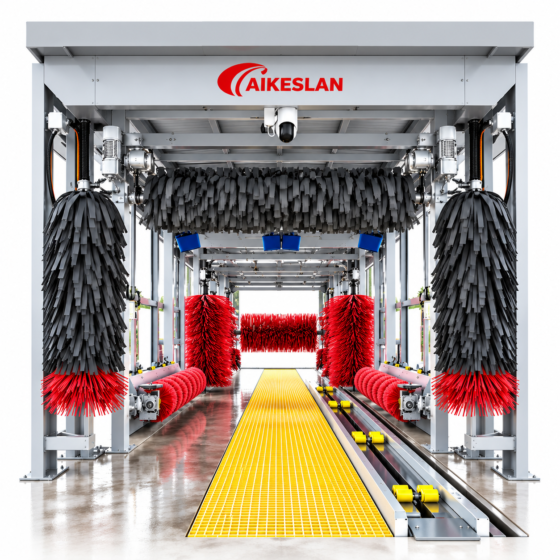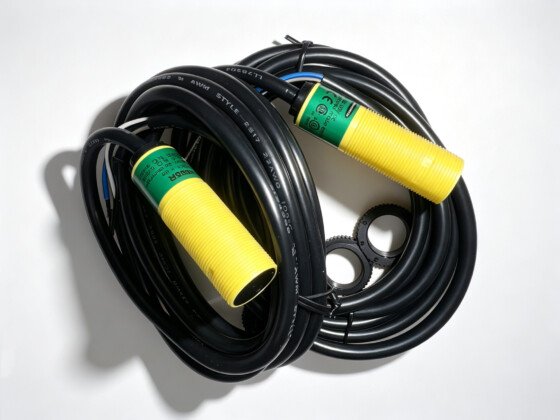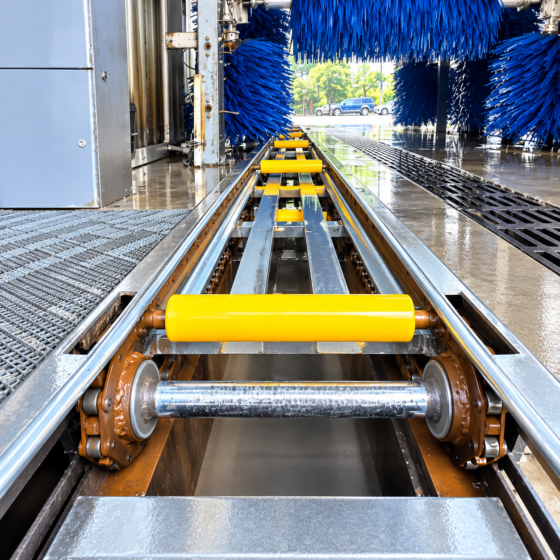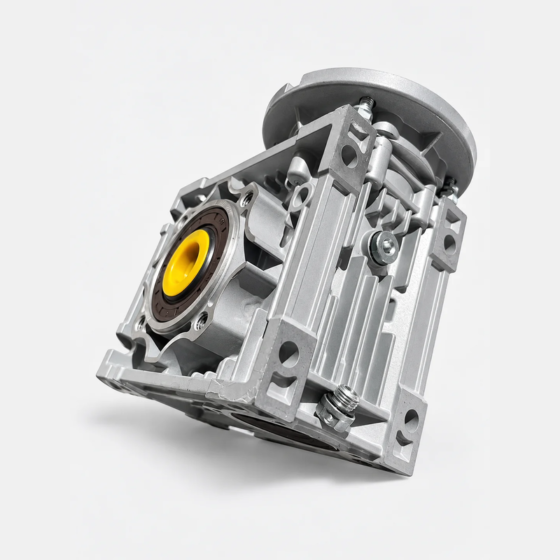


Water pump for automatic car wash machine

Water pump for automatic car wash machine
High-Pressure, Booster, Circulation, and Replacement Pump Solutions for Automatic Car Wash Equipment
A water pump for automatic car wash machine is an important part of a reliable vehicle washing system. It moves water through the equipment and helps deliver the flow and pressure needed for washing, rinsing, and other cleaning stages.
In modern automatic car wash equipment, water supply must remain stable during daily operation. For example, high-pressure spray systems need the right pressure and flow to remove dirt. Meanwhile, rinse systems need enough water to cover vehicle surfaces.
Therefore, choosing the right car wash water pump helps support consistent cleaning performance, smooth operation, and efficient water management.
Our automatic car wash water pump solutions are intended for a range of commercial washing applications, including tunnel car wash systems, touchless car wash machines, rollover car washes, and vehicle fleet washing equipment.
Whether you need a pump for a new automatic car wash system or a replacement for an existing machine, selecting the correct specifications is essential.
Different applications require different pump designs. As a result, flow rate, operating pressure, motor power, pump materials, and water quality must be reviewed before purchasing.
We welcome inquiries from automatic car wash machine manufacturers, equipment distributors, maintenance companies, and commercial car wash operators.
Key Product Highlights
- Water pump solutions for automatic car wash equipment
- Options for high-pressure washing, water boosting, and circulation
- Pump selection based on required pressure and flow
- Suitable configurations for different commercial wash systems
- Material options selected according to water quality and operating conditions
- Compatibility review for motors, controls, and piping systems
- Support for OEM equipment and replacement pump inquiries
- Technical selection based on pump performance requirements
- B2B purchasing and international shipping inquiries
Looking for a reliable automatic car wash water pump?
Send us your pump model, required flow rate, working pressure, and equipment details. Our team can help review the specifications needed to identify a suitable pump.
Request a Quote | Contact Us | Send Your Pump Specifications
What Is a Water Pump for an Automatic Car Wash Machine?
An automatic car wash water pump is a mechanical device that moves water through a vehicle washing system.
Depending on its design, a pump can supply wash water, increase water pressure, circulate water, or transfer water between storage and treatment systems.
The pump uses mechanical energy from a motor or another drive source to move water.
However, different pump types operate in different ways.
For example, a high-pressure plunger pump can generate high discharge pressure when working against a suitable system load.
Meanwhile, a centrifugal pump is commonly used where continuous water movement and suitable flow are required.
Because of these differences, one pump type cannot meet every automatic car wash requirement.
How Does an Automatic Car Wash Water Pump Work?
A water pump draws water from a supply line, storage tank, or another suitable source.
It then transfers energy to the water and moves it through the connected piping system.
The exact process depends on the pump design.
In a centrifugal pump, a rotating impeller transfers energy to the water.
In a positive displacement pump, moving components displace a defined volume of water during each cycle or rotation.
The water then travels through pipes, filters, valves, and spray nozzles.
As a result, the pump works as part of a complete water delivery system.
In simple terms, a car wash water pump provides the water flow and pressure required by the washing equipment.
Key Features of Automatic Car Wash Water Pumps
1. Stable Water Pressure and Flow
Automatic car wash equipment requires a suitable water supply throughout the cleaning cycle.
For example, high-pressure spray nozzles need enough flow at the required pressure to perform as designed.
A correctly selected water pump helps support these operating conditions.
However, the actual pressure at each nozzle depends on the pump, piping, valves, filters, and nozzle design.
Therefore, the complete system must be considered during pump selection.
2. Reliable Performance for Daily Operation
Commercial car wash businesses may operate their equipment many times each day.
As a result, pumps can face frequent starts, stops, and changing operating loads.
The selected pump should match the expected duty cycle.
For example, a pump intended for continuous water circulation may have different requirements from one used for short high-pressure washing cycles.
Correct duty selection helps reduce unnecessary wear and overheating.
3. Efficient Water Delivery
Water pumps play an important role in the overall efficiency of a car wash machine.
A properly sized pump can help deliver the required water flow without unnecessary oversizing.
In addition, suitable control methods may reduce energy use in some applications.
However, actual efficiency depends on the pump design, operating point, motor performance, and system resistance.
Therefore, buyers should review efficiency together with the complete water circuit.
4. Material Options for Wet Environments
Car wash pumps operate with water that may contain minerals, dirt, or cleaning chemicals.
Therefore, pump materials must be compatible with the working fluid.
Depending on the selected design, wetted components may use stainless steel, brass, cast iron, engineering plastics, or other suitable materials.
However, each material has different limits.
For this reason, buyers should confirm water quality, chemical exposure, temperature, and corrosion requirements before ordering.
5. Flexible Installation Options
Automatic car wash machines use different equipment layouts.
Some water pumps are mounted on a skid or base.
Others are installed as part of a complete motor-pump assembly.
Connection sizes, drive arrangements, and available installation space vary by machine.
Therefore, buyers should check pump dimensions, mounting requirements, and piping connections.
6. Motor and Control System Compatibility
A water pump must be paired with a suitable drive system.
For example, an electric motor must provide enough power and speed for the pump’s required operating point.
Some pump systems may also use variable frequency drives to adjust speed.
However, variable-speed operation must be supported by the pump, motor, and control arrangement.
Therefore, control compatibility should be confirmed during equipment design.
7. Easier Maintenance and Replacement
Many pump components can be inspected, repaired, or replaced.
However, maintenance requirements depend on the pump design.
For example, a plunger pump may require regular inspection of its valves, seals, and lubrication system.
A centrifugal pump may need attention to bearings, seals, and impeller condition.
Therefore, buyers should follow the manufacturer’s maintenance instructions for the selected model.
Main Types of Water Pumps Used in Automatic Car Wash Machines
Different automatic car wash applications require different pressure and flow characteristics.
Understanding the available pump types helps buyers choose the correct equipment.
High-Pressure Water Pump for Automatic Car Wash Machine
A high-pressure water pump is used in washing systems that require water delivery at elevated pressure.
These pumps are particularly important in many touchless car wash applications.
High-pressure water helps remove dirt and road deposits when combined with suitable nozzles, chemicals, and washing programs.
However, cleaning performance depends on more than pressure alone.
Flow rate, spray angle, nozzle distance, water temperature, and chemical use also affect the result.
Common applications include:
- Touchless vehicle washing systems
- High-pressure pre-wash stages
- Wheel and underbody cleaning circuits
- Commercial vehicle washing equipment
- Other suitable high-pressure cleaning applications
The pump must be rated for the expected operating pressure, flow rate, duty cycle, and water conditions.
High-Pressure Plunger Pump
A plunger pump is a positive displacement pump that uses reciprocating plungers to move water.
This design is widely used in industrial high-pressure cleaning equipment.
In a plunger pump, inlet and outlet valves control the movement of water as the plungers operate.
Because the pump displaces water mechanically, its flow is mainly related to displacement and operating speed.
However, the actual delivered flow depends on internal leakage, speed, and operating conditions.
Plunger pumps require appropriate pressure control, relief or unloading arrangements, and suitable inlet supply.
Dry running and inadequate inlet conditions can damage the pump.
Centrifugal Water Pump for Car Wash Equipment
A centrifugal pump uses a rotating impeller to move water.
It is commonly used for continuous water transfer, boosting, and circulation applications.
In an automatic car wash system, a centrifugal pump may supply water from a storage tank or move water through a suitable circulation circuit.
It may also support certain low-pressure and medium-pressure water delivery functions.
However, the required pressure and flow must fall within the selected pump’s performance curve.
Water Booster Pump for Automatic Car Wash
A water booster pump helps increase water pressure in a suitable supply system.
This may be useful when incoming water pressure is lower than the equipment requires.
For example, a booster system may help provide stable inlet pressure to downstream equipment.
However, the booster pump must be matched to the supply conditions and system demand.
It should not be treated as a substitute for a dedicated high-pressure cleaning pump unless the complete performance requirements are met.
Water Circulation Pump
A circulation pump moves water through a circuit.
In some automatic car wash equipment, circulation pumps support water storage, treatment, or supply processes.
The correct pump depends on the required flow, head, water quality, and system design.
For example, a pump transferring relatively clean water may require a different construction from one handling water with suspended solids.
Water Reclaim and Recycling Pump
Some commercial car wash facilities use water recovery and recycling systems.
These systems collect used wash water and process it for suitable reuse.
A water reclaim pump may transfer collected water to treatment equipment or move treated water to a reuse tank.
However, reclaimed water can contain suspended solids, detergents, oil residues, and other contaminants.
Therefore, the pump must be designed for the actual fluid.
A standard clean-water pump should not automatically be used for untreated reclaim water.
Technical Specifications – Automatic Car Wash Water Pump
Water pump specifications vary according to pump type, application, and model.
The following table outlines the main parameters buyers should review.
| Specification | Description |
|---|---|
| Product Name | Water Pump for Automatic Car Wash Machine |
| Product Category | Commercial and Industrial Water Pump |
| Pump Type | Plunger / Centrifugal / Booster / Circulation / Reclaim |
| Pump Principle | Positive Displacement or Dynamic Pumping |
| Rated Flow Rate | According to selected pump model |
| Rated Pressure | According to pump and system requirements |
| Maximum Allowable Pressure | Model-specific limit |
| Required Total Head | According to system design |
| Motor Power | Matched to operating point |
| Motor Voltage | According to motor and destination market |
| Frequency | Model-specific 50 Hz / 60 Hz compatibility |
| Rated Speed | Based on pump and drive requirements |
| Inlet Size | According to selected model |
| Outlet Size | According to selected model |
| Pump Body Material | According to model and fluid requirements |
| Shaft Material | Based on pump design |
| Seal Type | Model-dependent |
| Water Temperature | Within selected pump rating |
| Water Quality | According to pump design |
| Inlet Pressure | According to manufacturer specification |
| Control Method | Fixed Speed / Compatible Variable Speed |
| Installation | According to pump assembly design |
| Application | Automatic Car Wash Equipment |
| OEM Requirements | Subject to technical review |
| Replacement Matching | Specification and dimensional review |
Technical Note: Final performance ratings, dimensions, electrical data, materials, and certifications must be confirmed from the selected pump datasheet.
Understanding Pump Flow Rate
Flow rate describes how much water a pump delivers over a period of time.
Common units include liters per minute (L/min), cubic meters per hour (m³/h), and US gallons per minute (GPM).
For example, a system with several spray nozzles must provide enough total flow to meet the combined nozzle demand.
However, pump flow and outlet pressure are related to the complete system.
Therefore, buyers should select the pump based on the required operating point rather than on maximum flow alone.
Understanding Pump Pressure
Pump pressure is often expressed in bar or pounds per square inch (psi).
For a high-pressure washing system, the selected pump must support the required operating pressure.
However, pressure is influenced by the system resistance and control equipment.
A high maximum pressure rating does not guarantee that the pump will deliver the required flow at that pressure.
Therefore, buyers should review the pump’s performance data.
Understanding Total Dynamic Head
For many centrifugal pump applications, total dynamic head is an important selection parameter.
It represents the energy the pump must add to the water per unit weight.
The required head depends on elevation changes, pressure needs, and friction losses in the piping system.
Therefore, pump head should be calculated from the actual water circuit.
Understanding Motor Power
Motor power must match the pump’s required mechanical input.
An undersized motor may overload during operation.
Meanwhile, an oversized motor may increase purchase cost without improving system performance.
For this reason, motor selection should consider pump efficiency, speed, operating conditions, and appropriate design margins.
Understanding Pump Curves
A pump performance curve shows how a pump performs under different operating conditions.
For centrifugal pumps, the curve commonly describes the relationship between flow and head at a specified speed and impeller diameter.
For positive displacement pumps, performance information may be presented differently.
Therefore, buyers should request the correct performance data for the selected pump type.
How to Choose the Right Water Pump for an Automatic Car Wash Machine
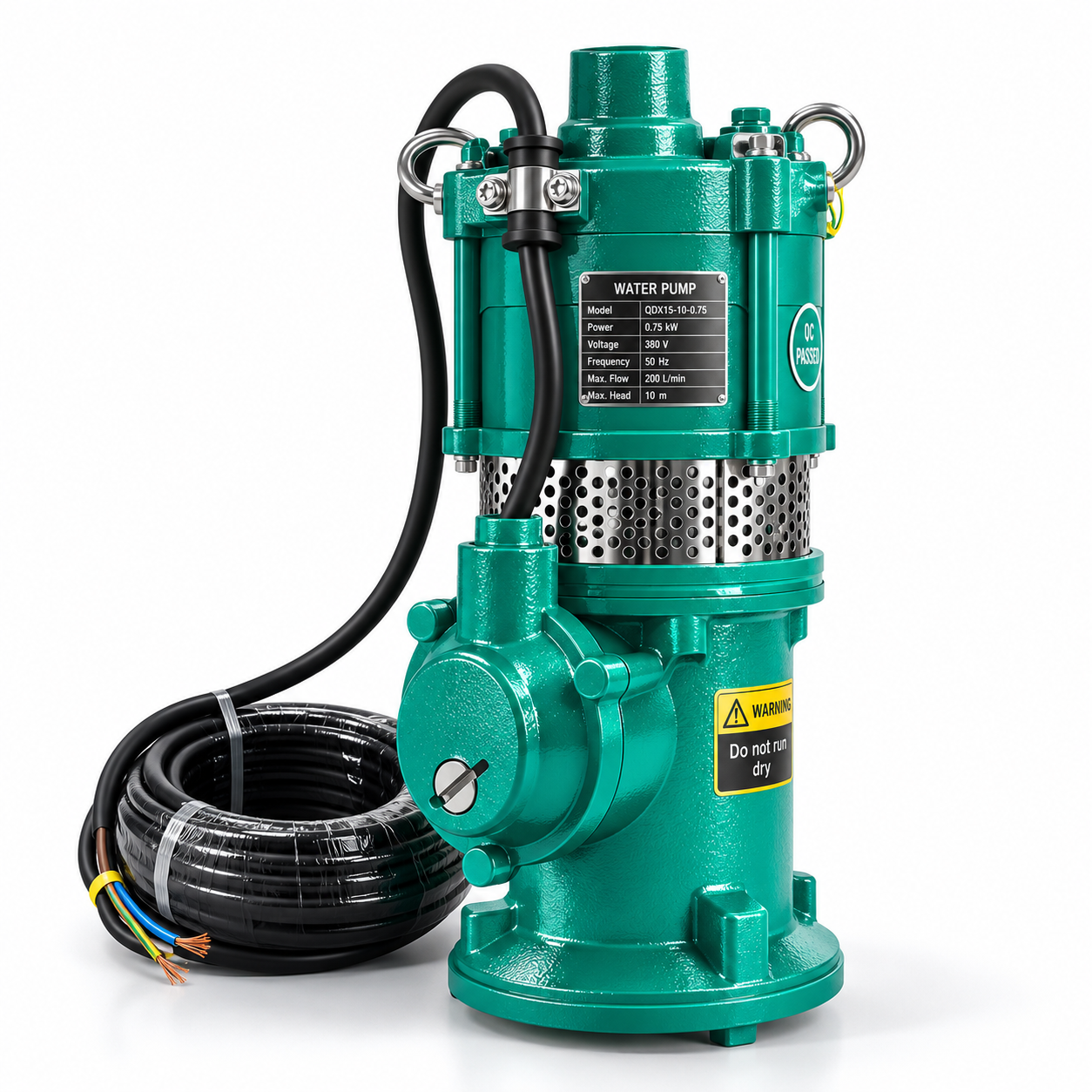
Water pump for automatic car wash machine
Choosing the correct pump requires a clear understanding of the washing system.
Step 1: Identify the Pump Application
First, confirm what the pump will do.
Will it provide high-pressure cleaning, boost incoming water pressure, circulate clean water, or transfer reclaimed water?
Each application has different requirements.
Step 2: Determine the Required Flow Rate
Next, calculate the water demand.
For spray systems, consider the number of nozzles and the required flow per nozzle at operating pressure.
For transfer systems, consider the volume of water that must be moved within a given time.
Step 3: Determine the Required Pressure or Head
The required pressure depends on the cleaning process and piping system.
For centrifugal pump applications, total dynamic head is often used.
For high-pressure cleaning, the required discharge pressure and flow must be confirmed together.
Step 4: Review the Water Supply
Check the available inlet pressure, water level, temperature, and water quality.
Insufficient inlet conditions can lead to cavitation or other pump problems.
Therefore, inlet requirements must be reviewed before installation.
Step 5: Select Pump Materials
Choose materials according to the fluid.
For example, clean water, treated water, and reclaimed water may require different material and seal specifications.
If chemicals are present, confirm compatibility.
Step 6: Check Motor and Power Requirements
Confirm the rated motor power, voltage, phase, frequency, and operating speed.
For international projects, electrical compatibility with the destination market is important.
Step 7: Review Installation Requirements
Check the available installation space, mounting arrangement, pipe connections, and service access.
Correct installation supports reliable operation and easier maintenance.
Step 8: Confirm Technical Documentation
Finally, review the pump performance curve, technical drawings, operating limits, and applicable documentation.
This helps reduce specification errors before purchasing.
Applications in Different Automatic Car Wash Systems
Tunnel Automatic Car Wash Systems
Tunnel car wash machines move vehicles through several cleaning stages.
Water pumps may supply pre-wash water, rinse circuits, and other suitable fluid delivery systems.
In addition, some facilities use separate pumps for water treatment and recycling.
Therefore, different stages may require different pump configurations.
Touchless Automatic Car Wash Systems
Touchless car wash equipment relies on water jets and cleaning chemicals rather than rotating brushes contacting the vehicle body.
High-pressure pumps can be important components in these systems.
However, pump performance must match nozzle design, cleaning programs, and system pressure requirements.
A correctly selected high-pressure pump supports the intended cleaning process.
Rollover and In-Bay Car Wash Machines
Rollover car wash systems move a washing gantry around a stationary vehicle.
Depending on the equipment design, water pumps supply different washing and rinsing circuits.
For example, one pump may support a selected cleaning stage while another handles water transfer or supply pressure.
Gas Station Automatic Car Wash Equipment
Gas stations often use automatic car wash machines to offer convenient vehicle cleaning.
Reliable water delivery is important for daily operation.
If a pump fails, the washing process may stop or perform below its intended requirements.
Therefore, suitable pump selection and maintenance planning help support equipment availability.
Commercial Fleet Washing Facilities
Fleet washing facilities may clean trucks, buses, vans, and other commercial vehicles.
These applications can have different water flow and pressure needs from passenger car washing systems.
Therefore, pump selection must reflect the actual cleaning equipment and operating schedule.
Water Recycling Systems
Some automatic car wash facilities use water reclaim systems to reduce freshwater demand.
Pumps move water between collection tanks, treatment equipment, and reuse storage.
However, pump suitability depends on solids content, water chemistry, and treatment design.
The complete recycling process must be considered.
Why Choose the Right Water Pump for Automatic Car Wash Equipment?
Consistent Water Delivery
A correctly selected pump helps provide the flow and pressure required by the washing equipment.
This supports consistent operation of suitable spray and rinse circuits.
Better System Efficiency
Proper pump sizing can help avoid unnecessary energy use caused by unsuitable operating conditions.
However, actual energy performance depends on the complete pump and motor system.
Reduced Risk of Pump-Related Downtime
Correct installation, operating conditions, and maintenance can reduce the risk of premature pump failure.
This helps support more reliable daily equipment operation.
Flexible Equipment Integration
Different pump designs can serve different washing applications.
Therefore, OEM manufacturers can select configurations based on their machine requirements.
Practical Replacement Planning
Accurate pump specifications make replacement easier.
This is especially important for commercial washing facilities that depend on regular equipment operation.
High-Pressure Pump vs. Centrifugal Pump for Car Wash Systems
Both pump types can be useful in automatic car wash equipment, but they serve different needs.
| Feature | High-Pressure Plunger Pump | Centrifugal Pump |
|---|---|---|
| Main Function | High-pressure water delivery | Water transfer, circulation or boosting |
| Operating Principle | Positive displacement | Rotating impeller |
| Typical Application | High-pressure spray systems | Supply and circulation systems |
| Flow Characteristics | Mainly related to displacement and speed | Related to pump curve and system head |
| Pressure Capability | Model-dependent; high-pressure designs available | Model-dependent; many designed for lower-pressure duties |
| Maintenance Focus | Valves, seals, plungers, lubrication | Seals, bearings, impeller, alignment |
| Water Quality | Requires suitable filtration and inlet conditions | Depends on pump model and impeller design |
| Selection Method | Pressure, flow, speed and duty | Flow, total head, efficiency and NPSH |
A high-pressure plunger pump may be the right choice for demanding spray applications.
Meanwhile, a centrifugal pump may be more suitable for water transfer and circulation.
However, the final decision depends on the complete system requirements.
Water Pump Materials and Corrosion Resistance

Water pump for automatic car wash machine
Automatic car wash water pumps may operate with water containing minerals, detergents, or other contaminants.
Therefore, material compatibility is important.
Stainless Steel Pump Components
Stainless steel may be used where corrosion resistance is required.
However, different stainless steel grades have different resistance to chlorides and cleaning chemicals.
For this reason, material selection should reflect the actual fluid conditions.
Brass Pump Components
Brass is used in some pump heads and fluid components.
It may be suitable for certain clean-water applications.
However, not all water chemistry or cleaning solutions are compatible with brass.
Cast Iron Pump Components
Cast iron is used in many industrial centrifugal pump designs.
It can provide a strong and practical structure for suitable applications.
However, corrosion protection and fluid compatibility must be considered.
Pump Seals and Internal Components
Pump seals help prevent leakage and protect mechanical components.
The correct seal design depends on pressure, temperature, water quality, and pump type.
Therefore, replacement seals must match the selected pump model.
Water Pump Maintenance for Automatic Car Wash Machines
Regular maintenance is important for reliable pump operation.
Check the Water Supply
A pump must receive enough water under suitable inlet conditions.
Low water supply or blocked filters can cause operating problems.
Therefore, inspect the inlet line and filters according to the maintenance schedule.
Monitor Pressure and Flow
Changes in pressure or flow may indicate a problem.
Possible causes include worn components, blocked nozzles, leaks, or changes in system resistance.
Regular monitoring helps identify abnormal operating conditions.
Inspect Seals and Connections
Check for water leakage around pump seals and pipe connections.
Leaks may reduce system performance and damage nearby components.
Prevent Dry Running
Many water pumps can be damaged if they run without sufficient water.
Therefore, follow the manufacturer’s priming and dry-running protection requirements.
Check Motor Operation
Inspect the motor for unusual noise, overheating, and vibration.
Also, confirm that electrical connections and protective devices remain suitable.
Follow Lubrication Requirements
Some pump designs require oil changes or bearing lubrication.
Others use sealed components with different maintenance requirements.
Always follow the instructions for the selected pump model.
Inspect High-Pressure Components
For high-pressure pumps, inspect valves, seals, hoses, and pressure control components.
High-pressure water can create serious injury hazards.
Always isolate power and release stored pressure before maintenance.
Automatic Car Wash Water Pump Replacement Guide
Replacing a water pump requires technical matching.
A pump with similar dimensions may still have different flow, pressure, and motor requirements.
Therefore, buyers should compare more than the product appearance.
Information Needed for Replacement
- Original pump brand and model
- Pump type
- Rated flow rate
- Operating pressure or total head
- Maximum allowable pressure
- Motor power and speed
- Electrical specifications
- Inlet and outlet dimensions
- Pump materials
- Installation dimensions
- Working water conditions
- Equipment model
Photos of the existing pump nameplate and installation can also help identify suitable replacement options.
Common Signs of Water Pump Problems
A pump may require inspection if the system shows:
- Low water pressure
- Reduced water flow
- Unusual vibration
- Abnormal noise
- Water leakage
- Motor overheating
- Repeated system shutdowns
- Unstable pressure during operation
However, these symptoms may also result from blocked filters, damaged valves, incorrect nozzle sizing, air entering the system, or inadequate water supply.
Therefore, troubleshooting should cover the complete water delivery system.
OEM Water Pump Solutions for Automatic Car Wash Manufacturers
Automatic car wash machine manufacturers need pumps that match their equipment designs.
For OEM projects, pump selection should begin with the required water flow, pressure, operating duty, and installation layout.
The pump must also match the motor and control system.
OEM Technical Requirements
Please provide:
- Automatic car wash machine type
- Pump application
- Required flow rate
- Operating pressure or total head
- Water temperature and quality
- Motor power and electrical supply
- Pump material requirements
- Inlet and outlet connections
- Expected operating hours
- Required order quantity and destination
These details help support accurate technical evaluation.
Water Pump Replacement for Existing Equipment
Maintenance companies may need replacement pumps for older car wash systems.
In this case, the original pump model and performance data are important.
For example, a replacement pump must provide suitable flow at the required pressure.
The motor, piping, and control system must also be compatible.
Water Pumps for Equipment Distributors
Distributors may need pumps for several automatic car wash machine models.
Accurate technical documentation can help simplify product identification and purchasing.
For bulk inquiries, provide the required pump types, specifications, and quantities.
European and North American Water Pump Requirements
International buyers should review both technical and regulatory requirements before purchasing.
Water Pumps for European Markets
European equipment projects may use 50 Hz electrical systems and IEC-based motor configurations.
For applicable pump categories, EU Ecodesign requirements may affect minimum efficiency and product information.
However, these rules do not apply to all water pump types in the same way.
Therefore, buyers should confirm the applicable requirements for the selected pump and motor.
Water Pumps for the United States and Canada
North American projects often use 60 Hz electrical supplies and may follow NEMA-based motor conventions.
However, voltage, phase, and installation requirements vary.
Pump efficiency and electrical compliance requirements may also depend on the equipment category and jurisdiction.
Therefore, buyers should verify the selected model against the destination market’s requirements.
International OEM Projects
For car wash equipment exported to different markets, pump and motor compatibility should be reviewed during design.
This helps reduce installation problems after delivery.
Frequently Asked Questions About Automatic Car Wash Water Pumps
1. What type of water pump is used in an automatic car wash machine?
Automatic car wash machines use different pumps depending on the application. Common options include high-pressure plunger pumps, centrifugal pumps, booster pumps, circulation pumps, and water reclaim pumps.
2. How do I choose the right water pump for my automatic car wash machine?
Start by checking the required flow rate, pressure or total head, motor power, water quality, and operating duty. The selected pump must match the complete washing system.
3. What is the difference between a high-pressure pump and a booster pump?
A high-pressure cleaning pump is designed to deliver water at the pressure and flow required for its cleaning application. A booster pump increases pressure in a suitable water supply system. Their functions and performance requirements may differ.
4. Can a centrifugal pump be used in an automatic car wash system?
Yes. Centrifugal pumps are used in many water transfer, circulation, and boosting applications. However, the pump must provide the required flow and head for the selected circuit.
5. What pressure is required for an automatic car wash pump?
The required pressure depends on the machine type, nozzle design, and cleaning process. There is no single pressure suitable for every automatic car wash system.
6. What flow rate should a car wash water pump provide?
The required flow rate depends on the number of active spray nozzles, nozzle performance, and system design. Buyers should calculate the total water demand before selecting a pump.
7. Can I replace my existing car wash pump with another brand?
Yes, a compatible replacement may be possible. However, flow rate, operating pressure, motor power, speed, connections, dimensions, and materials must match the system requirements.
8. Are stainless steel pumps better for car wash equipment?
Stainless steel can provide good corrosion resistance in suitable applications. However, the best material depends on water chemistry, detergents, temperature, and the required operating conditions.
9. Can automatic car wash pumps operate continuously?
Some pump models are designed for continuous operation, while others are intended for intermittent duty. Always confirm the rated duty and cooling or lubrication requirements.
10. Why is my automatic car wash pump losing pressure?
Possible causes include water supply problems, blocked filters, worn seals, damaged valves, air entering the inlet, or leaks in the piping system. Inspect the complete system before replacing the pump.
11. Can a water pump work with a variable frequency drive?
Some motor-driven pump systems support variable-speed control. However, the motor, pump, and drive must be compatible. Operating limits and minimum speed requirements should be confirmed.
12. Can automatic car wash pumps handle recycled water?
Some pumps are suitable for treated or reclaimed water. However, solids, chemicals, and other contaminants can affect pump selection. Always confirm the pump’s fluid compatibility.
13. How long does an automatic car wash water pump last?
Pump service life depends on its design, operating conditions, water quality, and maintenance. Correct sizing, adequate water supply, and regular inspection can help reduce premature failures.
14. Can I purchase water pumps for OEM car wash equipment?
OEM pump inquiries can be reviewed based on the required flow, pressure, motor configuration, installation dimensions, and order quantity. Available options depend on the selected product range.
15. How can I request a quote for an automatic car wash water pump?
Contact our sales team with the pump type, required flow rate, working pressure, motor specifications, quantity, and delivery destination. Photos or drawings of the existing pump are helpful for replacement projects.
Packing & Delivery
Secure Packaging for Automatic Car Wash Water Pumps
Water pumps contain mechanical components that require suitable protection during storage and transportation.
Proper packaging helps reduce the risk of impact damage, scratches, contamination, and moisture exposure.
Packaging options may include:
- Protective cartons for small pumps and components
- Suitable cushioning materials
- Protection for inlet and outlet openings
- Strong wooden cases for heavy pump assemblies
- Pallet packaging for bulk shipments
- OEM packaging arrangements, subject to confirmation
The final packaging method depends on pump size, weight, quantity, and shipping requirements.
International Shipping & Delivery
We welcome shipping inquiries from Europe, North America, and other international markets.
Available shipping options may include:
- Express Delivery: Suitable for small replacement parts and certain compact pumps
- Air Freight: An option for time-sensitive orders
- Sea Freight: Suitable for heavy pumps, complete assemblies, and bulk shipments
The selected shipping method depends on destination, shipment dimensions, weight, and carrier availability.
Lead Time & Order Processing
Delivery times depend on the selected pump model, quantity, stock availability, and technical requirements.
Estimated production time, packaging arrangements, and shipping terms will be confirmed during quotation.
OEM and Wholesale Packaging
For OEM manufacturers and equipment distributors, packaging requirements can be reviewed according to project needs.
Suitable packaging helps protect pump assemblies and supports efficient handling during international transportation.
Why Choose Us for Automatic Car Wash Water Pump Inquiries?
A suitable water pump is an important part of reliable automatic car wash equipment.
Selecting the correct pump helps support consistent water delivery, efficient operation, and practical maintenance planning.
We welcome inquiries from:
- Automatic car wash machine manufacturers
- Car wash equipment distributors
- Industrial water pump importers
- Car wash maintenance companies
- Equipment repair service providers
- Vehicle washing system integrators
- Commercial car wash operators
- Fleet washing equipment buyers
For OEM and replacement projects, detailed technical information helps identify suitable pump options.
Request a Quote for Automatic Car Wash Water Pumps
Find the Right Water Pump for Your Automatic Car Wash Equipment
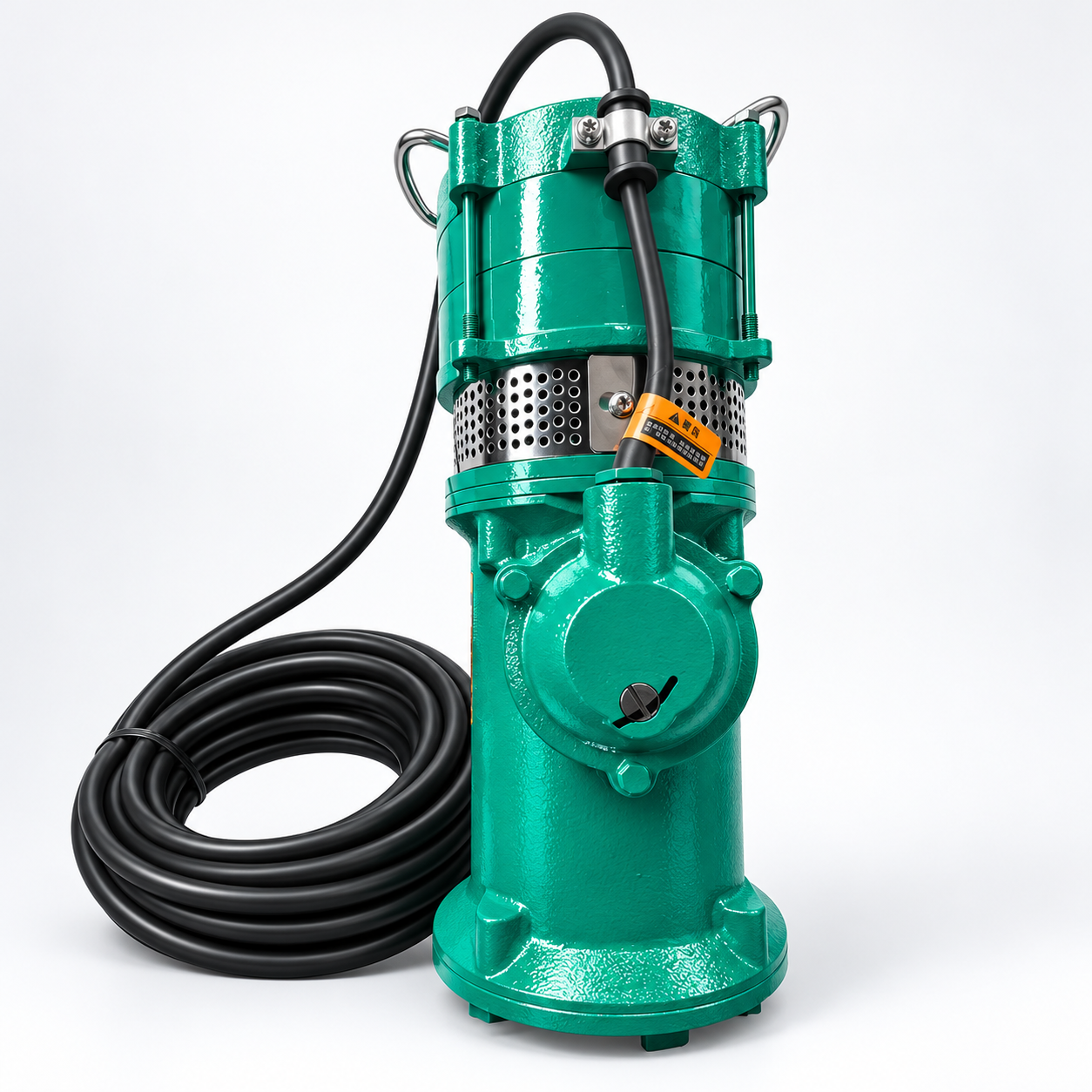
Water pump for automatic car wash machine
Are you looking for a high-pressure pump, booster pump, circulation pump, or replacement water pump?
We welcome inquiries for automatic car wash equipment, OEM projects, maintenance, and wholesale purchasing.
Please provide:
- Pump application and machine type
- Required flow rate
- Operating pressure or total head
- Water quality and temperature
- Motor power and electrical supply
- Inlet and outlet connection sizes
- Existing pump model, if available
- Required quantity
- Delivery destination
Our team can review your requirements and provide information about suitable pump options.
Contact Us Today
Explore water pump solutions for automatic car wash systems and discuss your project requirements with our team.
Request a Quote | Contact Us | Send Your Specifications
A correctly selected water pump helps support stable water delivery, reliable washing performance, and efficient automatic car wash equipment operation.