 Aikeslan | Fully Automatic Car Wash Machine Manufacturer


Advanced Automatic Car Wash Equipment for Commercial Operations
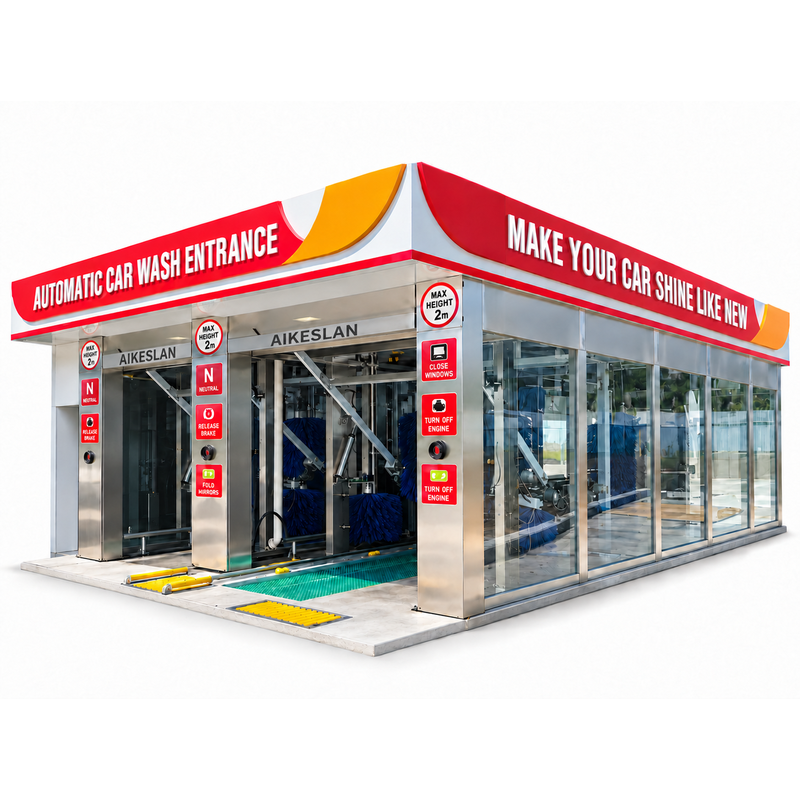
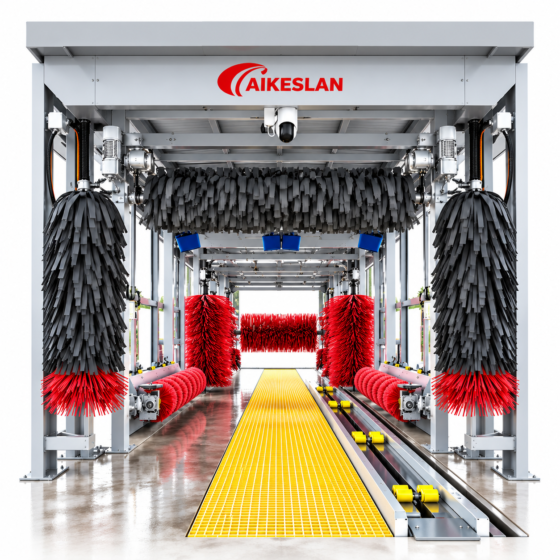
Fully Automatic Tunnel-Type Car Wash Machine (11-Brush)
Looking for a reliable 11-brush automatic tunnel car wash machine for your business? Our fully automatic tunnel-type car wash system is designed for commercial vehicle cleaning operations that need an organized wash process, consistent cleaning results, and room for future growth.
With an 11-brush configuration, the system is designed to support multi-stage vehicle washing. It can be configured to combine different cleaning functions, depending on the final machine design. These may include pre-washing, body washing, wheel cleaning, rinsing, and other optional treatment stages.
As a result, car wash operators can plan a washing process that fits their site, customer needs, and daily service goals. In addition, a tunnel-based layout can help organize vehicle movement and support a more structured workflow.
Whether you operate a commercial car wash, a vehicle dealership, a rental fleet center, or a vehicle service facility, this automatic tunnel car wash machine can be evaluated as part of your long-term equipment plan.
Looking for a solution for your site? Contact our team to discuss your vehicle types, expected wash volume, installation space, and preferred configuration.
Key Product Information
- Product name: Fully Automatic Tunnel-Type Car Wash Machine
- Brush configuration: 11 brushes
- Equipment type: Automatic tunnel car wash system
- Main application: Commercial vehicle washing
- Target customers: Car wash operators, dealerships, fleet service providers, and vehicle service centers
- Customization: Available according to confirmed model specifications and project requirements
- Quote options: Equipment configuration, installation requirements, and optional systems
Why Choose an 11-Brush Automatic Tunnel Car Wash Machine?
Choosing commercial car wash equipment is about more than the number of brushes. You also need to consider cleaning coverage, vehicle flow, site layout, operating costs, and service support.
An 11-brush tunnel car wash machine provides a multi-brush equipment platform for businesses that want to plan a structured and repeatable washing process.
1. Multi-Brush Cleaning Configuration
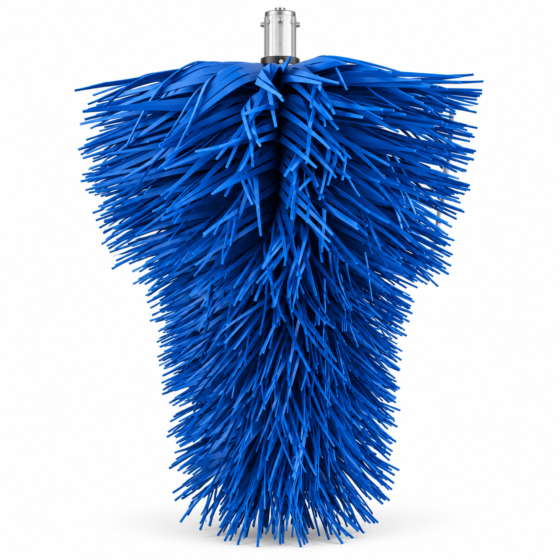
The 11-brush design provides multiple brush positions for different cleaning tasks, according to the machine layout.
For example, the system may use dedicated brushes for side panels, front and rear areas, or other body sections. The actual brush arrangement and cleaning functions depend on the selected model.
Therefore, buyers should review the brush layout and cleaning sequence before choosing a machine. This helps ensure that the equipment matches the vehicle types and cleaning needs of the business.
2. Fully Automatic Washing Process
An automatic tunnel car wash system can reduce the need for staff to perform every washing step by hand.
Once the vehicle is correctly positioned and the system is started according to the operating procedure, the machine carries out its programmed washing cycle.
This approach helps create a more consistent process from one vehicle to the next. It can also help operators organize staff duties and daily work.
However, the level of automation depends on the supplied configuration. Vehicle positioning, payment systems, entry controls, drying equipment, and other functions should be confirmed before purchase.
3. Designed for Commercial Car Wash Operations
Commercial car wash operators need equipment that fits their daily workload and business model.
An 11-brush tunnel car wash machine can be considered for projects that require a multi-stage cleaning system. Before installation, buyers should compare the expected number of vehicles per hour with the machine’s rated capacity and the full site’s operating conditions.
In addition, the site plan should account for vehicle queues, entry and exit lanes, water supply, drainage, electrical connections, and maintenance access.
With proper project planning, the equipment can become part of a more organized vehicle washing operation.
4. Flexible Configuration for Different Projects
Every car wash project has different requirements. For this reason, equipment configuration should be based on the intended use rather than brush count alone.
Depending on the available model options, buyers may be able to discuss:
- Brush layout and brush material
- Washing sequence and control functions
- Water supply and detergent systems
- Rinsing and drying options
- Water recycling integration
- Payment or access control integration
- Electrical standards and control language
- Site layout and installation requirements
These features are subject to model availability and engineering confirmation. Please request the technical specification sheet to identify the functions included in your selected machine.
Key Features of the 11-Brush Tunnel Car Wash System
Multi-Stage Vehicle Cleaning
A tunnel car wash system can combine several cleaning stages in one vehicle processing line. The exact sequence depends on the selected configuration.
A typical project may include pre-treatment, brush washing, rinsing, and optional drying. Additional functions, such as wheel cleaning or water recycling, can be considered where compatible equipment is available.
As a result, operators can plan a washing process that meets their service requirements without selecting unnecessary equipment.
Automatic Control and Operation
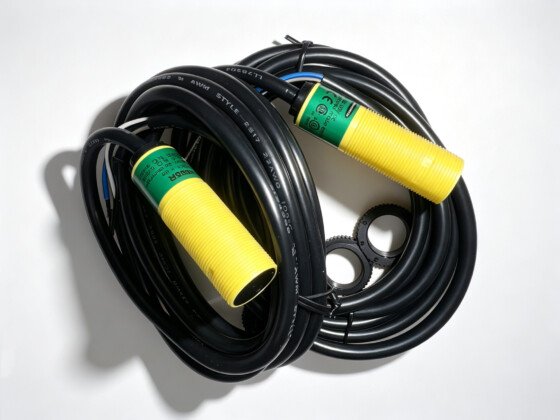
The control system manages the programmed washing process. Depending on the model, it may include operating controls, cycle settings, safety interlocks, and fault indicators.
These functions can help operators manage daily washing tasks more clearly. They can also support routine checks and troubleshooting.
Before ordering, ask for details about the control system, available operating modes, emergency stop functions, safety devices, and maintenance procedures.
Vehicle Flow and Site Planning
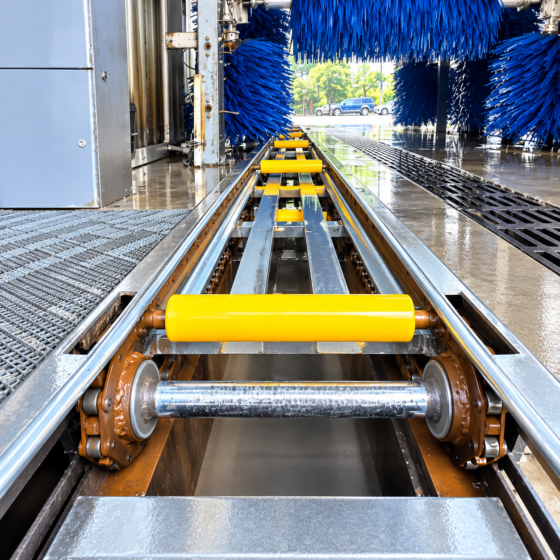
A tunnel car wash needs more than the washing machine itself. The entrance, conveyor or vehicle movement system, wash area, and exit must work together.
Therefore, site planning should be completed before installation. The design should account for the maximum vehicle dimensions, required clearances, expected traffic flow, and local building conditions.
This is especially important for projects that plan to serve a high number of vehicles during busy periods.
Maintenance and Service Access
Regular maintenance helps keep commercial car wash equipment in suitable working condition.
Operators should be able to inspect wear parts, check brush condition, clean filters where fitted, and follow the manufacturer’s maintenance schedule.
Before purchase, confirm the availability of spare parts, maintenance instructions, technical support, and service arrangements for your market.
Technical Specifications
The following table provides a practical specification checklist for buyers. Confirm all values with the manufacturer before placing an order.
| Specification | Details |
|---|---|
| Product type | Fully automatic tunnel car wash machine |
| Brush quantity | 11 |
| Model number | [Insert model number] |
| Rated vehicle throughput | [Insert confirmed vehicles per hour] |
| Suitable vehicle dimensions | [Insert maximum length, width, and height] |
| Machine dimensions | [Insert confirmed dimensions] |
| Required installation space | [Insert project-specific requirements] |
| Rated power | [Insert confirmed power rating] |
| Power supply | [Insert voltage, phase, and frequency] |
| Water consumption | [Insert measured or rated value per vehicle] |
| Air pressure | [Insert requirement, if applicable] |
| Drying system | [Included / Optional / Not available] |
| Water recycling | [Included / Optional / Compatible system required] |
| Control system | [Insert confirmed control type] |
| Applicable standards | [Insert verified certifications and standards] |
| Warranty | [Insert confirmed warranty terms] |
| Installation support | [Insert available service options] |
Actual performance depends on the machine configuration, vehicle mix, wash program, operating conditions, and site layout. Use confirmed technical data when comparing equipment from different suppliers.
Applications: Where Can This Automatic Tunnel Car Wash Machine Be Used?

Fully Automatic Tunnel-Type Car Wash Machine (11-Brush)
Commercial Car Wash Businesses
For professional car wash operators, service consistency and site efficiency are important factors.
An 11-brush automatic tunnel car wash system can be evaluated for a new car wash site or an upgrade to an existing facility. The final choice should reflect the site’s available space, local demand, labor plan, and expected number of vehicles.
Car Dealerships and Automotive Service Centers
Dealerships and service centers often need to clean customer vehicles, used cars, and vehicles prepared for delivery.
An automatic washing system can help establish a repeatable vehicle cleaning process. In addition, it can support a dedicated wash area when the facility has enough space and suitable utility connections.
Rental Car and Fleet Service Facilities
Rental fleets and commercial vehicle operators may need to clean many vehicles within planned service windows.
For these projects, buyers should pay close attention to vehicle dimensions, daily demand, cycle time, and staff workflow. The equipment should also match the range of vehicles in the fleet.
Transport Hubs and Large Vehicle Service Sites
Some transport hubs and large vehicle service sites need a dedicated vehicle washing area. In these cases, the equipment must be selected according to vehicle size, site traffic, and operating rules.
Confirm that the selected model supports the intended vehicle types before purchase. Do not assume that a passenger car tunnel system is suitable for vans, buses, or other large vehicles without checking its rated dimensions and design.
How to Choose the Right Commercial Tunnel Car Wash Equipment
Selecting the right machine starts with a clear project plan. The following steps can help buyers compare options and reduce uncertainty before ordering.
Step 1: Define Your Expected Wash Volume
Estimate how many vehicles you plan to wash during a normal day and during peak periods.
Next, compare this demand with the manufacturer’s rated throughput. Ask how the rated value is measured and whether it includes vehicle entry, spacing, washing, and drying time.
This makes it easier to compare equipment on a consistent basis.
Step 2: Check Vehicle Types and Dimensions
List the vehicle types that will use the facility. Include their maximum length, width, height, and any special body features.
Then, compare these dimensions with the machine’s approved operating range. This step is important for mixed fleets and sites that serve vehicles of different sizes.
Step 3: Review the Available Installation Space
Measure the proposed site before requesting a final layout.
Allow space for the machine, vehicle queues, access lanes, maintenance areas, and safe vehicle movement. Also check the floor, drainage, water supply, and electrical infrastructure.
A clear site plan helps the supplier assess installation needs and identify possible design issues early.
Step 4: Compare Operating Costs
The purchase price is only one part of the total cost of ownership.
You should also consider electricity, water, detergent, routine maintenance, replacement parts, labor, and any service fees. If a water recycling system is planned, ask about its capacity, treatment process, and maintenance needs.
With these details, you can make a more informed comparison between different commercial car wash systems.
Step 5: Confirm Local Compliance and Service Support
For projects in the European Union and North America, local requirements should be reviewed before the equipment is ordered.
Ask the supplier for applicable conformity documents, electrical specifications, safety information, installation instructions, and warranty terms. Depending on the site, additional requirements may apply to water discharge, wastewater treatment, building work, or electrical installation.
Finally, confirm who will handle installation, commissioning, training, spare parts, and after-sales support.
Designed for EU and North American B2B Projects
International equipment buyers need clear technical information and a practical installation plan. Therefore, the quotation process should cover more than the machine price.
European Union Projects
For EU projects, confirm the applicable machinery and electrical safety requirements for the specific equipment and its intended use.
Request relevant conformity documentation, operating instructions, risk information, and technical records where applicable. Also check local requirements for wastewater discharge, water use, site permits, and electrical installation.
CE marking should only be stated where it is applicable and properly supported by the required conformity assessment and documentation.
North American Projects
For the United States and Canada, confirm the required voltage, phase, frequency, control components, and site utility connections.
Also review applicable electrical, machinery safety, building, plumbing, and wastewater requirements with the relevant local authorities and qualified professionals.
Where required, confirm whether third-party inspection, listing, or certification is needed for the equipment and its installation.
International Shipping and Project Coordination
For an overseas purchase, buyers should confirm the shipping dimensions, gross weight, packaging method, delivery terms, and expected production lead time.
The project plan should also identify who is responsible for unloading, installation, commissioning, and operator training.
Clear responsibilities help reduce delays and make project coordination easier for both the buyer and the supplier.
Frequently Asked Questions
What is an 11-brush automatic tunnel car wash machine?
An 11-brush automatic tunnel car wash machine is a commercial vehicle washing system with eleven brushes arranged according to the machine’s design. It uses a programmed process to clean vehicle surfaces through multiple washing stages. The actual cleaning functions depend on the brush layout and the supplied configuration.
How many cars can the machine wash per hour?
The rated throughput depends on the model, wash cycle, vehicle spacing, and operating conditions. Request the manufacturer’s rated vehicles-per-hour figure and the test conditions used to determine it. Also consider the time required for vehicle entry, exit, and any separate drying stage.
Is the 11-brush tunnel car wash machine suitable for a new car wash business?
It may be suitable, provided the machine matches the planned service volume, site dimensions, investment budget, and local requirements. Before buying, review the complete project cost, utility needs, maintenance plan, and expected customer demand.
Can the machine be customized?
Customization depends on the manufacturer’s available options and engineering limits. Buyers can ask about brush arrangements, control functions, drying options, water recycling integration, and local electrical requirements. All requested changes should be confirmed in writing before production.
Does the machine include a dryer?
Drying equipment may be included, offered as an option, or supplied as a separate system. Check the selected model’s specification sheet to confirm the exact configuration.
Can the system recycle water?
Water recycling may be available as an integrated option or as a compatible external system. Suitability depends on the machine design, water treatment requirements, local rules, and project layout. Ask for the proposed recycling capacity and treatment specifications.
What installation space is required?
The required space depends on the machine dimensions, vehicle size, entry and exit layout, maintenance access, and site conditions. Share a site drawing and maximum vehicle dimensions with the supplier to obtain a project-specific layout recommendation.
What information is needed for a quotation?
To prepare a useful quotation, provide your destination country, expected daily wash volume, vehicle types, available site dimensions, preferred configuration, and local power supply. If available, include a site plan and any relevant utility details.
What should buyers check before placing an order?
Buyers should confirm the brush layout, rated throughput, vehicle dimensions, power and water requirements, included accessories, warranty, spare parts, shipping terms, installation support, and applicable compliance documents.
Request a Quote for the 11-Brush Tunnel Car Wash Machine

Fully Automatic Tunnel-Type Car Wash Machine (11-Brush)
Planning a new commercial car wash or upgrading an existing facility?
Our team can help you review your project requirements and identify a suitable equipment configuration.
To receive a more accurate quotation, please share the following details:
- Destination country and installation location
- Expected vehicles per day or per hour
- Vehicle types and maximum dimensions
- Available installation space
- Required washing and drying functions
- Local voltage, phase, and frequency
- Water recycling or wastewater treatment needs
- Preferred delivery schedule
Based on this information, we can review the required configuration and clarify the technical details for your project.
Contact us today to request the product specifications, discuss your installation plan, and obtain a quotation for the Fully Automatic Tunnel-Type Car Wash Machine (11-Brush).