
Fully Automatic Tunnel-Type Car Wash Machine — 14 Brushes
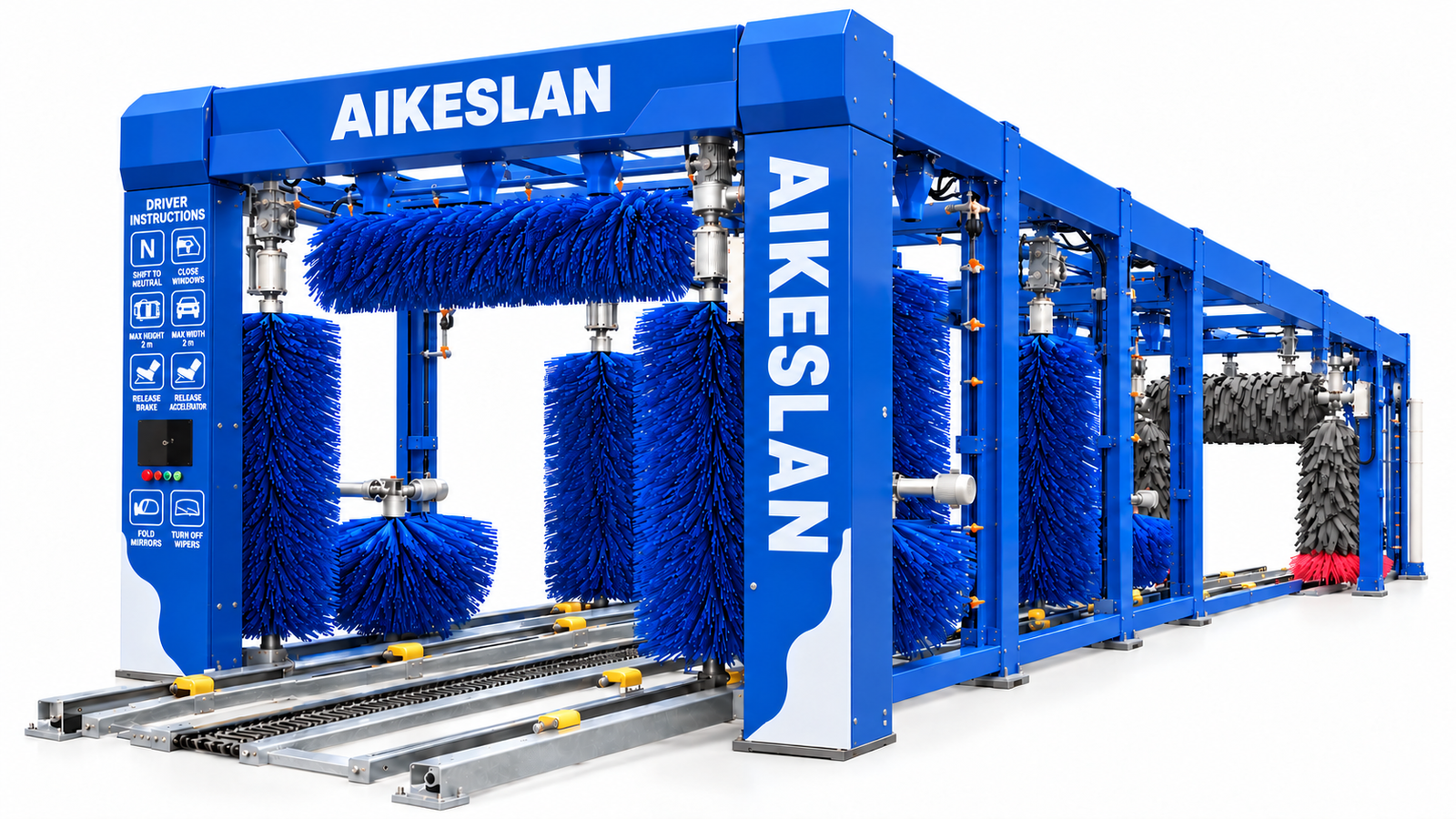
Fully Automatic Tunnel-Type Car Wash Machine — 14 Brushes
Plan a Complete Wash Process for Your Commercial Site
Bring structure to daily vehicle washing with a 14-brush automatic tunnel car wash machine.
This model offers a 14-brush configuration for projects that need a planned, repeatable wash process. To select the right package, start with your vehicle range, site layout, and expected wash demand.
Next, review the role of each brush group, the included wash stages, and the utility requirements. Together, these details help you assess how the system will fit your business.
Request a Project Quote
Send Your Site Layout
What Is a 14-Brush Tunnel Car Wash Machine?
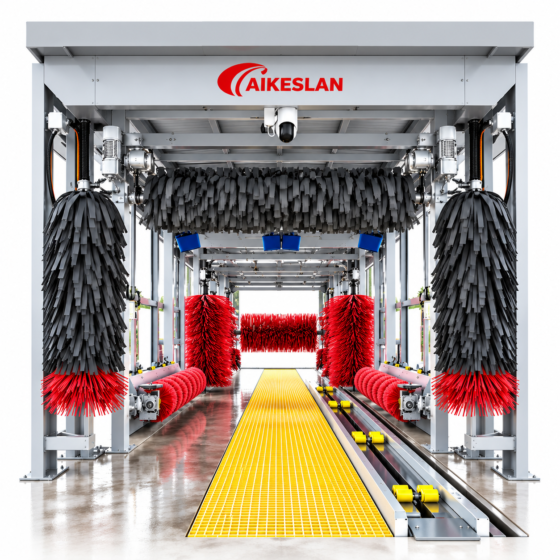
A 14-brush tunnel car wash machine uses 14 brush units within an automated vehicle wash process. The brush layout defines the role of each unit and the vehicle areas it is intended to contact.
Depending on the final configuration, the process may also include pre-wash, foam application, rinsing, and drying.
However, brush count alone does not show cleaning performance. Brush material, placement, control settings, and maintenance also matter. Therefore, review the complete equipment specification before purchase.
Product Overview
| Item | Description |
|---|---|
| Product | Fully Automatic Tunnel-Type Car Wash Machine |
| Brush Count | 14 |
| System Type | Automatic tunnel car wash |
| Brush Functions and Layout | Confirmed in the final configuration |
| Vehicle Compatibility | Subject to approved dimensions and wash restrictions |
| Site Requirements | Assessed against the selected equipment package |
| Quotation Basis | Equipment scope, destination, and project requirements |
Why Choose an Automatic Tunnel Car Wash System?
Reduce Hands-On Washing Tasks
Automatic wash stages can reduce the need to clean each vehicle by hand. As a result, staff can spend more time on vehicle guidance, site checks, and customer service.
Daily cleaning and maintenance are still required. Therefore, plan staff duties around the full operating process.
Support a Repeatable Wash Sequence
A defined wash sequence gives operators a clear process to follow. This can help standardize daily work and make training easier.
For consistent results, use suitable wash chemicals and maintain the equipment as instructed. Also, check the vehicle before it enters the system.
Plan Around Peak Demand
A tunnel system is worth assessing when vehicles arrive throughout the day or within set time windows.
For example, a public wash site may have short periods of heavy demand. Meanwhile, a fleet facility may need to clean vehicles before the next shift.
In both cases, compare verified wash capacity with your busiest operating period.
Assess the Full Equipment Package
The right system depends on more than the number of brushes.
Review the wash stages, controls, drying equipment, and service needs together. This gives you a clearer view of the investment and the work needed on site.
Understand the 14-Brush Configuration
Review Each Brush Group
Ask for a brush layout that identifies all 14 units.
The layout should show each brush type, its position, and its intended function. If the package includes wipe-drying brushes, these should be listed separately from washing brushes.
This makes the configuration easier to understand. It also helps you compare different equipment offers on the same basis.
Check Brush Materials and Contact Settings
Brush materials and operating settings should suit the approved vehicle range.
Before purchase, review how brush contact is controlled and which maintenance checks are required. In addition, ask about brush inspection, cleaning, and replacement.
These details help your team plan both daily use and long-term care.
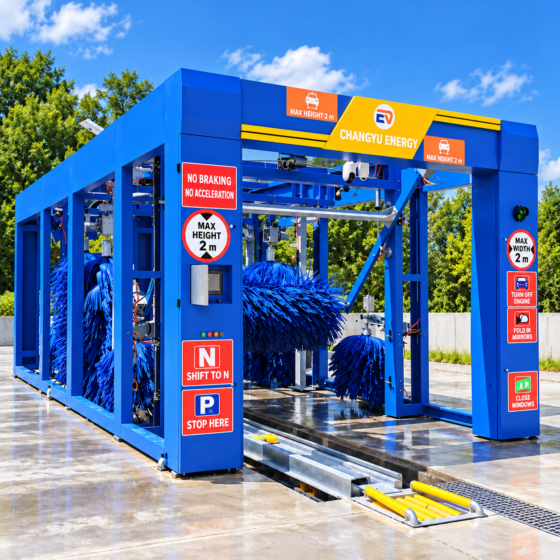
Confirm Vehicle Restrictions
Vehicle size is only one part of compatibility.
Roof racks, antennas, spoilers, loose trim, and other external parts may affect whether a vehicle can enter the wash. Therefore, request clear guidance for vehicle screening.
Also, define how staff will handle vehicles that fall outside the approved limits.
Build the Wash Process Your Site Needs
Pre-Wash and Foam Application
If pre-wash and foam equipment are included, review their role in the cleaning sequence.
Confirm the water supply, chemical requirements, and control settings. Also, check which items are standard and which are optional.
A clear equipment list helps avoid gaps between the quoted package and your expected wash process.
Brush Washing
The brush stage provides contact cleaning within the tunnel process.
Review the arrangement of vertical, horizontal, and other brush types in the final design. Then, confirm how the selected layout fits your vehicle mix.
Do not assume that a higher brush count will deliver a specific result without supporting performance data.
Rinsing and Water Quality
Rinse requirements depend on the wash process and the finish you want to achieve.
If your project needs treated water or a spot-free rinse, confirm whether the required equipment is included. In addition, assess local water quality before selecting a treatment system.
Drying and Final Finish
Confirm whether the package includes blowers, wipe-drying brushes, or both.
These are separate components and should be clearly identified in the quotation. Review their power demand, maintenance needs, and expected performance under stated conditions.
Depending on your service standard, some final hand drying may still be needed.
Applications for Commercial Wash Projects
Dedicated Car Wash Businesses
For a dedicated wash site, plan the full customer route.
Start with entry access and queue space. Then, review vehicle guidance, tunnel exit, and any separate vacuum or detailing areas.
This helps the equipment fit into a practical site layout.
Fuel Stations and Travel Centers
At a fuel station, the wash lane must work with the wider site.
Check its connection to fuel pumps, parking areas, and exits. Also, allow enough queue space to manage expected demand.
Before choosing equipment, assess the available footprint and utility supply.
Dealerships and Vehicle Preparation Centers
Dealerships may need to wash vehicles before display, service return, or customer handover.
For these projects, review the full vehicle range and the finish required. Then, confirm whether the wash package needs support from a separate detailing process.
Rental and Fleet Facilities
Rental and fleet sites often work to fixed schedules.
Therefore, assess how many vehicles need washing within each operating window. Also, check vehicle dimensions and external fittings across the fleet.
The final equipment choice should reflect both the vehicle mix and the available wash time.
Technical Specifications to Confirm
Use the final technical offer to confirm the following items before ordering.
| Parameter | Required Information |
|---|---|
| Total Brush Count | 14 |
| Brush Arrangement | Type, quantity, position, and function of each brush group |
| Equipment Dimensions | Length × width × height |
| Installation Space | Equipment area, service access, and supporting facilities |
| Vehicle Limits | Maximum dimensions and other restrictions |
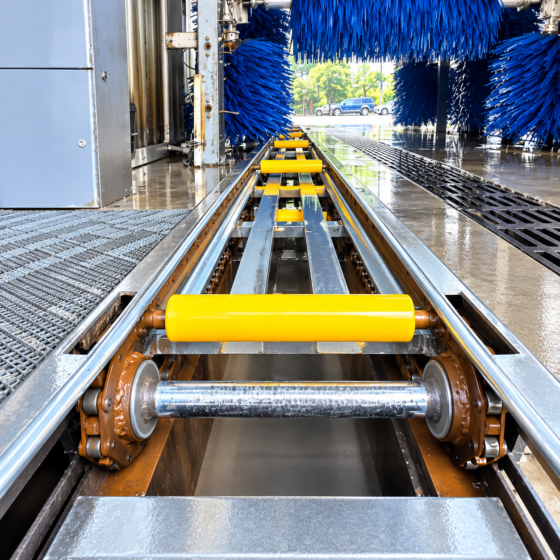
| Vehicle Transport | Transport method and operating requirements |
| Wash Capacity | Verified output with stated operating conditions |
| Power Supply | Voltage, phase, and frequency |
| Connected Load | Total connected electrical load |
| Water Supply | Required pressure, flow rate, and water quality |
| Water Consumption | Verified consumption for the stated wash program |
| Compressed Air | Requirements, if applicable |
| Drying Equipment | Included components and specifications |
| Controls | Operator interface and available connections |
Planning for Europe and North America
Match the Local Utility Supply

Fully Automatic Tunnel-Type Car Wash Machine — 14 Brushes
Electrical requirements vary by location.
Therefore, confirm the actual voltage, phase, and frequency at your site. Do not assume that a specification used in one country will suit another.
Likewise, review local water pressure, flow, and drainage conditions with your contractor.
Use Clear Units
For cross-border projects, clear units help reduce errors.
Request dimensions in millimeters and inches where useful. Also, identify whether water figures use liters or US gallons.
Each performance figure should state its measurement conditions so your team can compare it correctly.
Review the Required Documents
Ask which documents are available for the exact equipment being quoted.
Your project team may need drawings, electrical diagrams, operating instructions, and applicable conformity or approval records.
Review the document list against the destination and installation scope. Any certification claim should match the supplied model and supporting records.
Define Installation Responsibilities
Clarify who handles civil works, utility connections, unloading, assembly, and commissioning.
Also, agree on staff training and acceptance checks. This gives both sides a clear basis for delivery and handover.
Compare Total Project Cost
The machine price is one part of the investment.
Your budget may also include freight, site works, utility upgrades, installation, chemicals, and spare parts. Therefore, compare quotations using the same scope.
For operating forecasts, use verified water, energy, and capacity figures. These should relate to the wash program you expect to run.
This provides a stronger basis for assessing cost per wash and planning your business.
Packing and Delivery
Packing and shipping arrangements depend on the equipment dimensions, shipment route, and destination.
Before dispatch, confirm the packing method, shipping documents, and unloading needs. Large sections may require separate handling and on-site assembly.
Also, confirm production lead time and transit time separately. Record the agreed schedule and delivery responsibilities in the order documents.
Frequently Asked Questions
How are the 14 brushes arranged?
The exact arrangement must be shown in the final equipment specification. Ask for a list of all brush types and their functions. Washing brushes and wipe-drying brushes should be clearly distinguished.
How many vehicles can the machine wash per hour?
Capacity depends on the selected wash process, operating settings, and vehicle spacing. Site flow also affects actual output. Request verified capacity data with the relevant conditions.
Can it wash SUVs, vans, and pickup trucks?
Compatibility depends on approved vehicle dimensions, shape, and external fittings. Confirm each vehicle group before use. Large vehicles and vehicles with added accessories need particular attention.
Does the system include drying?
The final equipment package determines the drying scope. Confirm whether blowers, wipe-drying brushes, or other drying components are included. Also, review any need for final manual drying.
Can it use reclaimed water?
Compatibility must be assessed for the selected wash configuration. Different stages may require different water quality. Therefore, review water treatment, reuse, and fresh water supply as one complete plan.
Does a fully automatic system need staff?
Yes. Staff are still needed for checks, vehicle guidance, cleaning, and maintenance. The required staffing level depends on site flow and your service model.
What support is included?
Confirm installation support, training, warranty terms, and spare parts arrangements in the quotation. Also, clarify service responsibilities before placing an order.
What information is needed for a quote?
Please provide your installation country, site drawing, vehicle range, and expected wash demand. Add your available utilities, preferred wash stages, and target schedule.
Request a Quote for Your 14-Brush Tunnel Car Wash
Start with a clear view of your site and operating needs.
Share your project details to define the brush configuration, wash process, and installation scope. Then, review the proposed equipment against your vehicle range, demand, and budget.
Request a Project Quote
Send Your Site Layout
Inquiry Form: Name · Company · Business Email · Country · Site Location · Vehicle Types · Expected Wash Volume · Project Schedule · Message · Drawing Upload