 Aikeslan | Fully Automatic Car Wash Machine Manufacturer


Fully Automatic Tunnel-Type Car Wash Machine (7-Brush)

Fully Automatic Tunnel-Type Car Wash Machine (7-Brush)
High-Efficiency Automatic Car Washing Equipment for Commercial Car Wash Businesses
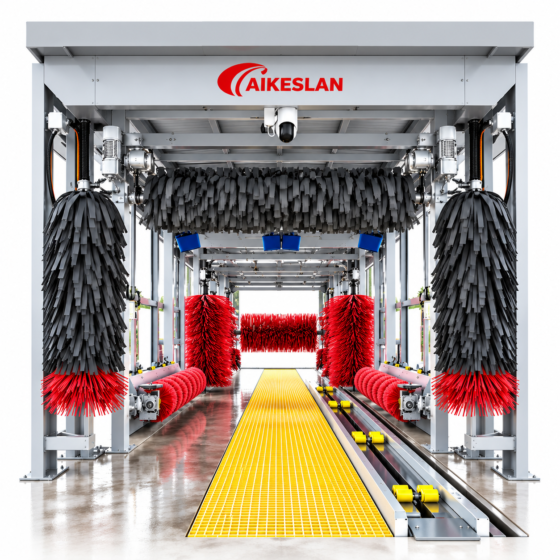
Upgrade your car wash operation with a Fully Automatic Tunnel-Type Car Wash Machine (7-Brush). Designed for commercial vehicle cleaning, this automatic tunnel car wash system helps businesses build a steady, repeatable washing process. It is suitable for car wash centers, fuel stations, dealership service centers, fleet operators, and commercial car wash projects.
With a seven-brush washing configuration, the system is designed to clean key areas of a vehicle through an automated washing process. In addition, its tunnel-type layout supports a continuous vehicle flow when paired with a suitable conveyor and site design.
Whether you are planning a new car wash facility or upgrading an existing site, this 7-brush automatic car wash machine offers a practical starting point for a commercial washing solution. Contact our team to discuss your vehicle types, site conditions, target wash volume, and project requirements.
Key Benefits at a Glance
- Seven-brush configuration: Designed to support multi-area vehicle cleaning.
- Automatic washing process: Helps reduce the need for manual work during the wash cycle.
- Tunnel-type layout: Supports a planned vehicle flow through the washing area.
- Commercial use: Suitable for a range of car wash and fleet service projects.
- Project-based configuration: Technical options can be reviewed to match your site and local requirements.
- B2B project support: Request technical details, installation requirements, and a quotation for your project.
CTA: Request a Quote | Get Technical Specifications
What Is a Fully Automatic 7-Brush Tunnel Car Wash Machine?
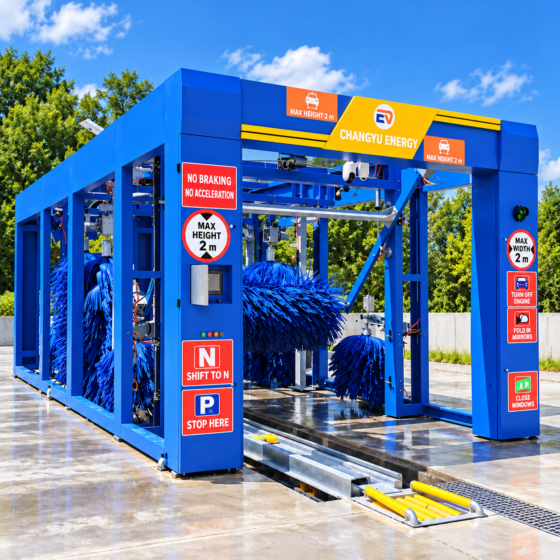
A Fully Automatic Tunnel-Type Car Wash Machine is a commercial vehicle washing system that cleans cars as they move through a dedicated wash tunnel. It combines an automated wash process with a tunnel layout to help operators manage vehicle cleaning in a more organized way.
The 7-brush configuration refers to the machine’s seven-brush arrangement. The exact brush positions, functions, and washing sequence depend on the model design. Therefore, buyers should review the equipment layout and technical specification before selecting a system.
Unlike a manual wash bay, a tunnel car wash system is designed around a defined process. Once the vehicle enters the tunnel, the installed equipment performs the configured washing stages. As a result, operators can manage the wash area with a more consistent workflow.
For commercial buyers, the main goal is to find a system that fits the site’s available space, expected demand, labor plan, and maintenance capacity. Our team can help assess these needs before you make a purchase decision.
Key Features of the 7-Brush Automatic Tunnel Car Wash System
1. Seven-Brush Washing Configuration
The seven-brush design provides a multi-brush washing arrangement for commercial vehicle cleaning. Depending on the model, the brush layout can be designed to cover different vehicle surfaces.
Brush type, material, dimensions, contact pressure, and movement should be confirmed in the technical documentation. These details help buyers assess cleaning needs, vehicle compatibility, and long-term maintenance requirements.
2. Fully Automatic Washing Process
An automatic car wash system helps reduce the amount of manual work needed during a normal wash cycle. Moreover, an automated process can make it easier to train staff and follow a defined operating procedure.
The actual level of automation depends on the supplied configuration. Before ordering, confirm the control system, operator interface, safety features, and available automatic functions.
3. Tunnel-Type System Design
The tunnel structure provides a defined path for vehicles during the wash process. This layout can suit commercial sites that plan to handle a regular flow of vehicles.
However, the tunnel must fit the available building space and vehicle access route. Entry and exit areas, drainage, water supply, electrical connections, and service access should all be considered during project planning.
4. Designed for Commercial Car Wash Operations
Commercial operators need more than a machine that can wash a vehicle. They also need a clear operating process, accessible maintenance points, and a layout that fits daily business needs.
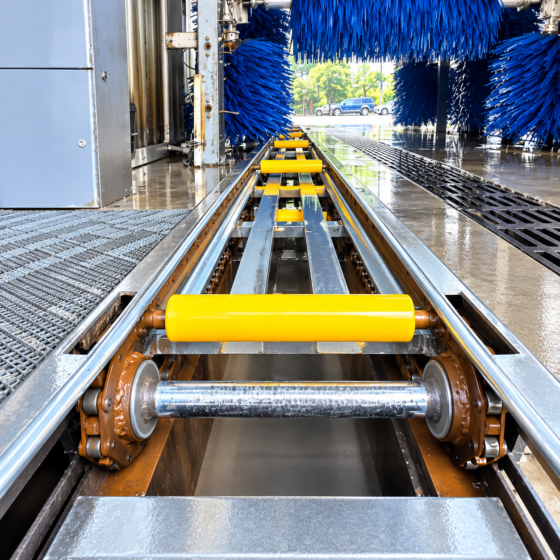
For this reason, buyers should assess the full system, including the conveyor if supplied, water and chemical delivery, control equipment, and any drying or finishing units. These items may vary by model and package.
5. Configuration Options for Different Projects
Every car wash site has different needs. For example, an urban car wash may face space limits, while a fleet facility may need to handle a more predictable mix of vehicles.
Therefore, the final equipment configuration should reflect the target vehicle types, expected wash volume, local utility supply, and site layout. Ask our team which options are available for your project.
How Does an Automatic Tunnel Car Wash Work?
A tunnel car wash uses a planned sequence of vehicle cleaning stages. The exact process depends on the equipment configuration.
- Vehicle entry: The driver follows the site’s entry procedure and positions the vehicle as instructed.
- Initial treatment: If included, a pre-wash stage applies water or a suitable cleaning solution to loosen surface dirt.
- Brush washing: The configured brush system cleans the designated vehicle surfaces.
- Rinsing: Water removes loosened dirt and cleaning solution as part of the selected wash cycle.
- Finishing stage: Optional equipment may provide wax application, spot-free rinsing, or drying, depending on the package.
- Vehicle exit: The vehicle leaves the tunnel after the configured cycle is complete.
This sequence is an example of a typical tunnel wash process, not a guarantee that every stage comes standard with the seven-brush machine. Confirm the supplied equipment and wash sequence before placing an order.
Applications: Where Can a 7-Brush Tunnel Car Wash Be Used?
Commercial Car Wash Centers
Car wash operators can consider a tunnel system when they want to organize vehicle movement and standardize the washing process. In addition, the final layout can be planned around the site’s entry, exit, waiting, and service areas.
Fuel Stations and Service Forecourts
Fuel station operators may consider an automatic car wash as an added service. However, the site must have enough room for vehicle access, queuing, safe operation, drainage, and required utility connections.
Automotive Dealerships and Service Centers
Dealerships and service centers may use automatic washing equipment to support vehicle preparation and routine cleaning. Before installation, confirm that the machine can accommodate the vehicle sizes and types handled at the facility.
Fleet Washing Facilities
Rental companies, company fleets, and other vehicle operators may benefit from a defined washing process. For these sites, buyers should assess the daily vehicle mix, expected demand, cleaning requirements, and available operating hours.
New Car Wash Projects and Facility Upgrades
Project developers can assess a seven-brush tunnel system during the early design stage. Meanwhile, existing operators should check whether the tunnel length, equipment footprint, utility capacity, and vehicle circulation fit the current site.
Technical Specifications
Technical specifications are essential when comparing automatic tunnel car wash machines. Since values vary by model and configuration, please request the official specification sheet for the exact unit you plan to purchase.
| Specification | Details to Confirm |
|---|---|
| Product name | Fully Automatic Tunnel-Type Car Wash Machine (7-Brush) |
| Equipment type | Automatic tunnel car wash system |
| Brush configuration | 7 brushes; confirm arrangement and function |
| Supported vehicle types | Confirm vehicle dimensions and compatibility |
| Rated washing capacity | [Insert verified vehicles per hour] |
| Overall dimensions | [Insert verified length × width × height] |
| Required installation space | [Insert verified site requirements] |
| Power supply | [Insert voltage, phase, and frequency] |
| Rated power | [Insert verified kW rating] |
| Water consumption | [Insert verified L/vehicle or equivalent] |
| Air supply | [Insert pressure and flow, if required] |
| Drying system | [Confirm included, optional, or not available] |
| Control system | [Insert confirmed control and automation details] |
| Detergent system | [Insert confirmed configuration] |
| Safety features | [List verified safety devices] |
| Applicable standards | [List verified standards and declarations] |
| Warranty | [Insert actual warranty terms] |
Need a specification sheet? Contact our team with your target market and site details. We can review the information needed to assess equipment suitability.
Why Choose a Seven-Brush Tunnel Car Wash System?
Support a More Organized Wash Process
A tunnel system follows a defined vehicle path and wash sequence. Therefore, it can help operators organize staff tasks and manage the wash area more clearly.
Plan for Commercial Demand
The right machine should match your expected vehicle flow. For this reason, review the rated capacity, operating cycle, vehicle spacing, and site layout together instead of judging the machine by brush count alone.
Review Labor and Operating Costs
Automation may help reduce some manual tasks. However, actual labor savings depend on the site, staffing plan, local wages, and level of automation.
Similarly, operating costs depend on water use, electricity, detergent, maintenance, spare parts, and equipment utilization. Request verified consumption figures before estimating your total cost per wash.
Plan Maintenance from the Start
Regular inspection and maintenance help support reliable equipment operation. Before purchase, ask about brush replacement, wear parts, service access, recommended inspection intervals, and spare-part availability.
In addition, confirm whether remote technical support, operator training, and on-site service are available in your region.
Select Equipment That Fits Your Project
A suitable machine must work with the site, not just meet a product description. Therefore, review the building dimensions, vehicle approach, drainage, utilities, climate, and local safety requirements before finalizing the order.
Installation and Site Planning
A successful tunnel car wash installation starts with a site review. Before equipment delivery, the buyer and supplier should confirm the layout, utility connections, installation scope, and commissioning plan.
Key planning items include:
- Available space: Check the equipment footprint, tunnel length, ceiling height, access route, and maintenance clearance.
- Vehicle access: Confirm entry and exit space, turning needs, queue capacity, and the largest vehicle to be washed.
- Water supply: Verify flow, pressure, water quality, and any treatment or recycling requirements.
- Drainage: Plan suitable floor drainage and wastewater handling under local rules.
- Electrical supply: Confirm voltage, phase, frequency, connected load, and protection requirements.
- Winter operation: For cold climates, assess freeze protection, heating, drainage, and any required winter operating procedures.
- Installation access: Confirm unloading space, lifting needs, equipment access, and the local installation team’s scope.
- Commissioning: Define testing, operator training, acceptance checks, and handover documents before the project starts.
For EU projects, review applicable machinery safety, electrical, environmental, and workplace requirements with qualified local professionals. For North American projects, check the relevant local and national codes, electrical rules, wastewater requirements, and site permits.
The applicable requirements depend on the machine design, intended use, installation location, and current regulations. Do not assume that one certification or declaration covers every market.
Maintenance and After-Sales Support
A clear maintenance plan helps operators manage wear, reduce avoidable downtime, and keep equipment in suitable working condition.
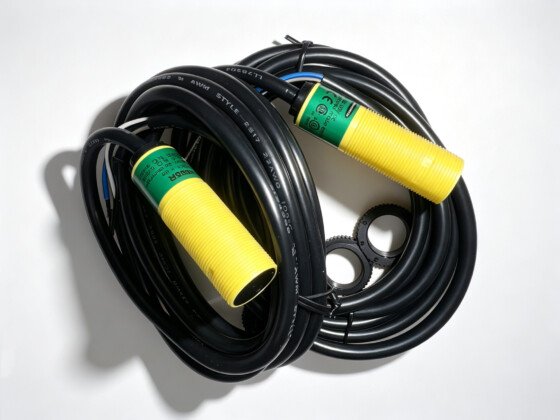
For example, routine checks may include brush condition, moving parts, water lines, detergent delivery, sensors, safety devices, and control equipment. The exact schedule must follow the manufacturer’s instructions.
Before ordering, ask the supplier to confirm:
- Recommended maintenance intervals
- Brush and wear-part replacement procedures
- Available spare parts and lead times
- Technical documents and operating manuals
- Operator training options
- Remote troubleshooting and service coverage
- Warranty terms and exclusions
- Availability of local or regional service partners
These details matter because service access and parts availability can affect the total cost of ownership. Therefore, compare support terms alongside the purchase price.
How to Choose the Right Automatic Tunnel Car Wash Machine
Choosing the right system requires more than comparing the number of brushes. Instead, assess the equipment against your operating plan.
First, define your vehicle mix. List the vehicle types, maximum dimensions, and cleaning needs. Then confirm that the proposed system can handle them safely.
Next, estimate demand. Work out the expected number of vehicles per day and during peak hours. Compare this demand with the verified rated capacity and the full site workflow.
Then, review the site. Check the available footprint, entry and exit routes, utilities, drainage, and maintenance access. This step helps avoid costly changes later.
After that, compare operating costs. Request data for water, electricity, detergents, routine maintenance, and replacement parts. Use these figures to estimate the cost per wash.
Finally, check service and compliance. Confirm warranty terms, spare-part support, installation responsibilities, documentation, and the requirements that apply in your target market.
By following these steps, buyers can compare machines on practical value rather than headline features alone.
Frequently Asked Questions
1. What is a 7-brush automatic tunnel car wash machine?
It is a commercial car washing system with a tunnel layout and a seven-brush configuration. The brush arrangement supports the configured vehicle cleaning process. Exact brush functions depend on the model.
2. What types of vehicles can this machine wash?
Vehicle compatibility depends on the machine’s design and rated limits. Before ordering, provide the maximum vehicle height, width, length, wheelbase, and any special vehicle types you need to handle.
3. How many cars can it wash per hour?
The rated capacity varies by model and operating conditions. Ask the supplier for the verified vehicles-per-hour rating, including the conditions used for the test. Also consider vehicle spacing, wash cycle settings, and site traffic.
4. Does the machine include a dryer?
Not all configurations include drying equipment. Confirm whether a dryer is included, optional, or supplied as a separate unit.
5. How much water and electricity does it use?
Consumption depends on the machine configuration, wash program, water system, and operating conditions. Request the rated power and verified water consumption data for the exact model.
6. Can the system be installed at an existing car wash site?
Potentially, yes. However, the existing site must meet the equipment’s space, vehicle access, utility, drainage, and safety requirements. A site review is recommended before purchase.
7. Is the machine suitable for the EU and North American markets?
Suitability depends on the specific machine, its technical documentation, electrical configuration, intended use, and applicable local requirements. Buyers should confirm the relevant conformity documents and installation requirements for the destination market.
8. What maintenance does a seven-brush car wash need?
Maintenance may include brush inspections, checks of moving parts, water and detergent systems, sensors, safety devices, and control equipment. Follow the manufacturer’s maintenance schedule and replace worn parts as required.
9. Can I request a customized configuration?
Configuration options depend on the supplier and model. Share your site layout, target wash volume, vehicle types, utility supply, and optional equipment needs to check what is available.
10. How can I get a quotation for a 7-brush tunnel car wash?
Contact our sales team with your company details, project location, expected vehicle volume, site dimensions, and target installation date. This information helps the supplier assess the project and prepare a more relevant quotation.
Request a Quote for Your Car Wash Project
Looking for a Fully Automatic Tunnel-Type Car Wash Machine (7-Brush) for your next commercial project?
Our team can review your project requirements and help you identify the technical information needed for equipment selection. Whether you are opening a new car wash center, upgrading an existing facility, or sourcing equipment for distribution, a clear project brief makes the next step easier.
To help us prepare your quotation, please share:
- Company name and country
- Project type and installation location
- Site dimensions or layout drawing
- Vehicle types and maximum vehicle size
- Estimated vehicles per day or per hour
- Required power supply
- Desired options, such as drying or water recycling
- Expected delivery and installation date
Contact us today to request the product catalog, technical specification sheet, and a project-based quotation.
Build your car wash project around the right equipment, a clear site plan, and verified technical data.