 Aikeslan | Fully Automatic Car Wash Machine Manufacturer



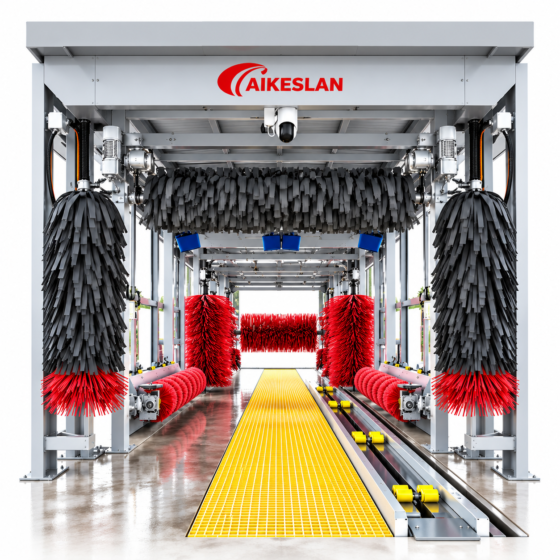
Fully Automatic 9-Brush Tunnel Car Wash Machine

Fully Automatic 9-Brush Tunnel Car Wash Machine
An Efficient Commercial Car Wash Solution for High-Volume Vehicle Cleaning
Looking for a reliable fully automatic tunnel car wash machine for your car wash business? Our 9-brush tunnel car wash system combines automated vehicle washing, multi-angle brush cleaning, and optional finishing functions in one integrated solution.
Designed for commercial use, this automatic car wash equipment helps operators improve wash consistency, manage vehicle flow, and reduce the need for manual cleaning. Moreover, its tunnel-style design supports a clear, step-by-step washing process, making it suitable for professional car wash sites with steady vehicle demand.
Whether you operate a gas station, a car wash center, a vehicle fleet facility, or a multi-site car wash business, this 9-brush automatic car wash machine can be configured to match your site, local utility supply, and service needs.
Key Benefits at a Glance
- 9-brush cleaning system: Supports multi-angle cleaning of vehicle surfaces.
- Automatic washing process: Helps reduce routine manual work.
- Commercial tunnel design: Supports a steady flow of vehicles through the wash line.
- Flexible wash programs: Pre-wash, foam application, rinsing, and wax application can be configured according to the selected model.
- Business-focused design: Suitable for professional car wash operators, fuel stations, and fleet service sites.
- Project-based configuration: Discuss brush layout, drying options, water treatment, and control functions with our team.
Request a Quote to receive a machine configuration, technical data sheet, and installation plan based on your project needs.
1. What Is a Fully Automatic 9-Brush Tunnel Car Wash Machine?
A fully automatic 9-brush tunnel car wash machine is a commercial vehicle washing system that cleans cars through a series of automated wash stages. Instead of relying on staff to wash every vehicle by hand, the system uses a controlled process to apply water, cleaning agents, and mechanical brush action.
The tunnel design allows vehicles to pass through the washing area in a planned sequence. As a result, operators can manage vehicle flow more easily and provide a more consistent service experience.
The 9-brush configuration is designed to support multi-angle cleaning. Depending on the actual brush layout, the system can clean key areas such as the roof, side panels, front, rear, and other accessible exterior surfaces.
In addition, optional equipment can extend the washing process. For example, a high-pressure pre-wash system can help loosen road dirt before brushing. A foam system can spread cleaning solution across the vehicle. A wax application system can then add a finishing step, while a compatible drying system can help remove surface water.
For this reason, the machine is a practical option for businesses that need an automated car wash system for regular commercial use.
2. Key Features of Our 9-Brush Automatic Car Wash System
2.1 Nine-Brush Cleaning for Better Coverage
The nine-brush setup is the core feature of this tunnel car wash machine. It supports cleaning from different angles and helps cover a wider range of exterior surfaces during the wash cycle.
Moreover, the brush arrangement can be selected according to the target vehicle types and the required cleaning process. This is useful for operators who wash a mix of sedans, SUVs, and other compatible passenger vehicles.
For best results, use the correct brush material, cleaning solution, and maintenance routine. Proper setup and regular checks also help protect vehicle finishes and keep the equipment in good working order.
2.2 Automated Washing Process
Automation helps reduce repetitive manual tasks. Once the vehicle is positioned and the system is set up, the selected wash program controls the relevant stages.
As a result, staff can focus more on customer service, vehicle guidance, site management, and routine equipment checks.
The level of automation depends on the selected configuration. Therefore, confirm the control system, vehicle detection, conveyor functions, and safety devices before placing an order.
2.3 Integrated Foam and Water Application
Effective washing requires more than brush action alone. Water helps remove loose dirt, while the right cleaning solution helps loosen road film and other common surface contaminants.
With a compatible foam application system, operators can apply car wash detergent before the brushing stage. The system can then rinse away the loosened dirt.
Furthermore, an optional water-wax application system can add a finishing treatment to the wash process. The actual functions and chemical consumption depend on the equipment configuration and the products used.
2.4 Conveyor-Based Tunnel Operation
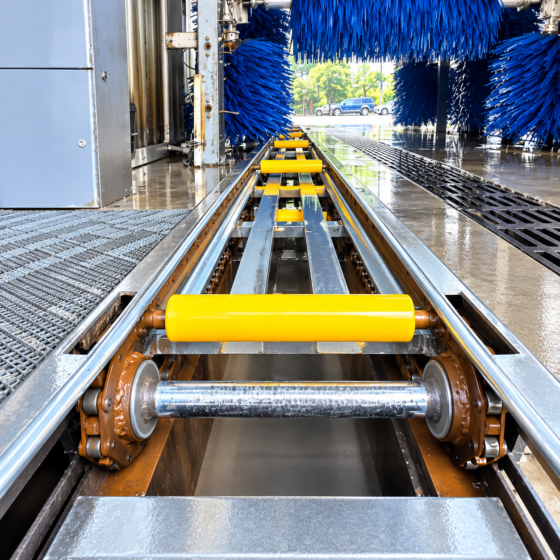
A tunnel car wash system moves vehicles through a planned sequence of cleaning stages. This arrangement is useful for sites that need an organized workflow and regular vehicle throughput.
Compared with a manual wash process, a properly designed automated line can reduce repeated handling and help staff follow a standard operating procedure.
However, real production capacity depends on more than the machine alone. Vehicle spacing, conveyor speed, site layout, service time, and customer demand all affect actual throughput.
2.5 Durable Frame and Industrial Components
A commercial car wash machine must work in a wet environment and withstand regular use. Therefore, frame material, corrosion protection, electrical parts, and access for maintenance are important factors when choosing equipment.
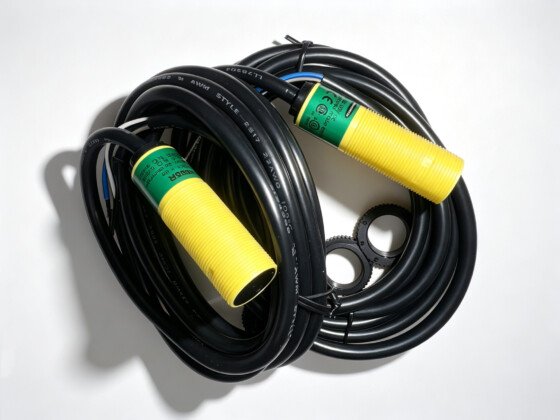
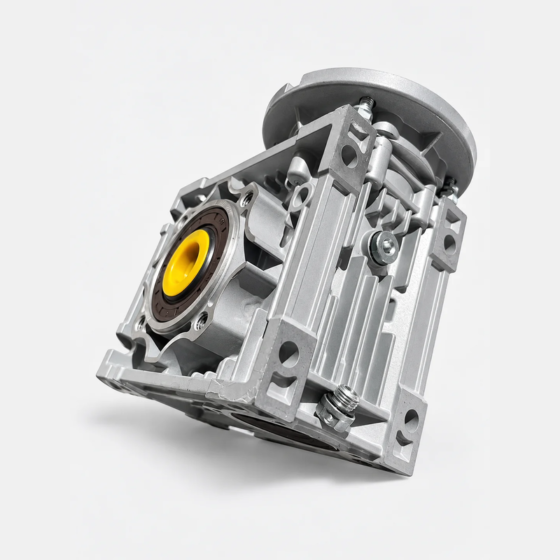
Frame construction, surface treatment, motors, sensors, and control components should be confirmed in the technical offer. Depending on the project, suitable corrosion protection and access panels can help simplify inspection and routine service.
For buyers in Europe and North America, it is also important to check the proposed electrical design, local installation rules, spare parts supply, and service arrangements before purchase.
2.6 Optional Drying and Finishing Functions
A drying system can help reduce the amount of water left on vehicle surfaces after rinsing. Depending on the model, drying equipment may use overhead air, side air, or a combination of blower units.
In addition, optional finishing functions can support different service packages. For example, operators may offer a basic wash, a foam wash, or a wash with a wax application.
The available functions vary by model. Please confirm the final equipment list before comparing prices or planning the wash menu.
3. How the Tunnel Car Wash Process Works
The exact process depends on the selected configuration. A typical automated tunnel wash may include the following stages.
Step 1: Vehicle Entry and Positioning
First, the driver follows the entry guidance and positions the vehicle according to the operating instructions. The operator or automated control system confirms that the vehicle is ready for washing.
Step 2: Pre-Wash and Dirt Removal
Next, water spray or an optional high-pressure system helps remove loose dust, sand, and road dirt. This stage prepares the vehicle for the main cleaning process.
Step 3: Foam and Detergent Application
The system applies a suitable car wash solution to help loosen surface dirt. The detergent must be compatible with the machine and used according to the supplier’s instructions.
Step 4: Nine-Brush Cleaning
The brush system cleans accessible exterior surfaces as the vehicle moves through the wash line. Brush movement, contact pressure, and operating settings should match the machine design and vehicle requirements.
Step 5: Rinsing
After brushing, water removes detergent and loosened dirt from the vehicle surface. Additional spray functions may be available, depending on the selected model.
Step 6: Optional Wax Application
Where fitted, the wax system applies a finishing product to the vehicle. This stage can help operators offer a higher-value wash package.
Step 7: Optional Air Drying
Finally, the drying system directs air over the vehicle to remove surface water. Drying results depend on blower power, air direction, vehicle shape, conveyor speed, and local conditions.
With a well-planned wash sequence, operators can provide a repeatable service while managing staff time and vehicle flow more effectively.
4. Technical Specifications of the 9-Brush Tunnel Car Wash Machine
The table below lists the key items to confirm when selecting a machine. Final values must match the approved model and technical quotation.
| Technical Parameter | Specification |
|---|---|
| Product type | Fully automatic tunnel car wash machine |
| Brush configuration | 9-brush system |
| Application | Commercial vehicle washing |
| Vehicle types | Compatible sedans, SUVs, and passenger vehicles |
| Washing process | Automated tunnel wash |
| Pre-wash system | Available according to configuration |
| Foam application | Available according to configuration |
| Water-wax application | Optional or configuration-dependent |
| Air drying | Optional; confirm blower arrangement |
| Control system | Confirm PLC, HMI, and automation functions |
| Conveyor system | Confirm type and operating speed |
| Machine dimensions | Confirm against selected model |
| Installation dimensions | Confirm site plan and required clearances |
| Maximum vehicle size | Confirm maximum length, width, and height |
| Power supply | Confirm local voltage, frequency, and phase |
| Total installed power | Confirm the final electrical load |
| Water supply | Confirm inlet size, pressure, and flow rate |
| Water consumption | Obtain model-specific data |
| Air supply | Confirm if compressed air is required |
| Water recycling | Optional, subject to system design |
| Safety functions | Confirm emergency stop and available interlocks |
| Service and spare parts | Confirm package and regional support |
Important: Do not use estimated or generic specifications as guaranteed performance data. Request the official technical sheet for the exact model, including wash capacity, utility consumption, dimensions, and installed power.
5. Commercial Applications: Where Can This Machine Be Used?
A fully automatic tunnel car wash machine can serve different business models. However, the right configuration depends on the available space, local demand, vehicle mix, and expected return on investment.
Gas Stations and Fuel Retail Sites
Fuel stations can add an automatic car wash service to attract drivers and create another source of revenue. In addition, a planned wash process can help staff manage vehicle flow during busy periods.
Before installation, check entry and exit access, drainage, utility capacity, and the distance between the wash system and other site facilities.
Commercial Car Wash Centers
Professional car wash centers need a repeatable process and a clear service menu. A 9-brush tunnel car wash system can support routine exterior cleaning and optional finishing services.
Moreover, operators can plan different wash packages around the available equipment. This approach helps align the service offer with local customer needs.
Multi-Site and Chain Car Wash Businesses
For chain operators, consistent processes matter across locations. Therefore, a standard machine configuration, clear operating procedures, and a planned spare parts list can make equipment management easier.
For multi-site projects, discuss common control settings, operator training, maintenance schedules, and the availability of remote technical support.
Fleet Washing Facilities
Rental companies, corporate vehicle fleets, and other fleet operators may need regular exterior cleaning for many passenger vehicles.
An automated wash line can help standardize the process. However, fleet vehicles may have different sizes, roof fittings, antennas, accessories, or surface conditions. Confirm vehicle compatibility before selecting the brush layout.
Automotive Service Centers and Dealerships
Dealerships and service centers can use automatic washing equipment to clean vehicles before delivery or after maintenance.
In this setting, cleaning consistency and finish quality are important. Consequently, the selected brush material, detergent, water quality, and wash program should suit the vehicle types being handled.
Parking Facilities and Commercial Developments
A car wash can add value to a parking facility, shopping center, or mixed-use development. Nevertheless, the project must account for customer access, traffic flow, drainage, noise, and local planning rules.
A site review can help determine whether a tunnel system fits the available area and expected demand.
6. Business Benefits for Commercial Car Wash Operators
Reduce Repetitive Manual Work
Automation can reduce the amount of direct manual work needed for each wash. As a result, staff may have more time for customer support, payment handling, and site operations.
Actual labor savings depend on staffing levels, the degree of automation, and the existing wash process.
Build a More Consistent Service Process
A defined wash sequence helps operators apply the same general process to each vehicle. In addition, a standard operating procedure can make staff training and daily checks easier.
Cleaning results still depend on equipment setup, chemical selection, water quality, vehicle condition, and maintenance.
Support Higher Vehicle Throughput
A tunnel layout can support continuous vehicle movement through multiple wash stages. Therefore, it may suit businesses with regular demand and a well-planned entry and exit area.
Before purchase, ask for the rated capacity and the conditions under which it was measured. Then compare that figure with your expected demand and peak-hour traffic.
Plan Water and Energy Use
Water and electricity are major operating costs for many commercial wash sites. For this reason, buyers should review the consumption data for the complete proposed system.
Where suitable, water recycling, controlled chemical dosing, and efficient operating settings may help reduce resource use. Actual savings depend on the system design, local water rules, and operating conditions.
Create Flexible Wash Packages
Optional foam, wax, and drying functions can help operators offer more than one service level. For example, a basic wash may focus on exterior cleaning, while a premium package may include extra finishing steps.
This flexibility can help businesses serve different customer needs without changing the core tunnel layout.
7. How to Choose the Right 9-Brush Tunnel Car Wash System
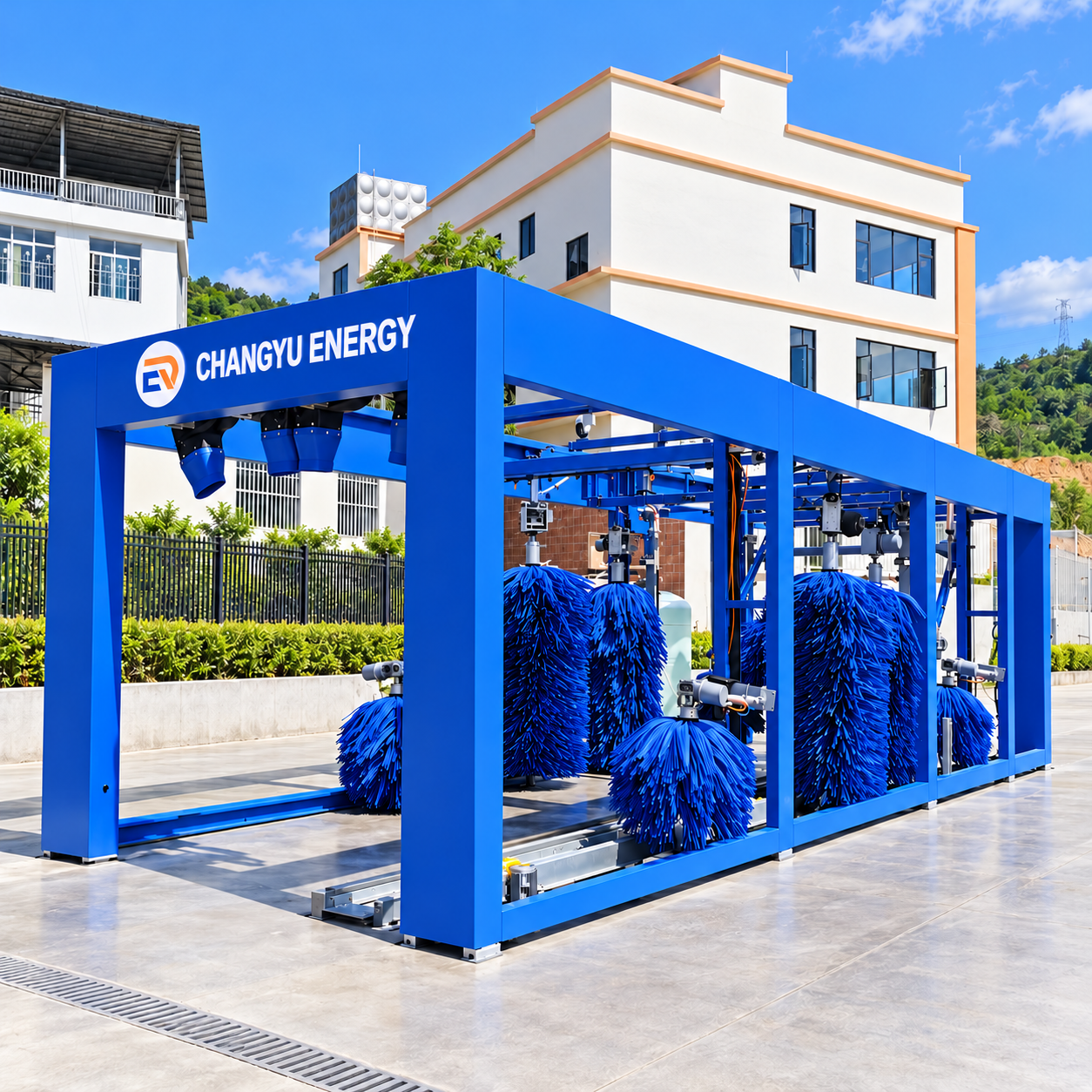
Fully Automatic 9-Brush Tunnel Car Wash Machine
Choosing a commercial car wash machine is a project decision, not just a product purchase. Before requesting a quote, consider these key points.
1. Daily Vehicle Volume
Estimate the number of vehicles you expect to wash each day. Also consider peak-hour demand, seasonal changes, and local competition. This information helps determine whether the proposed system can meet your needs.
2. Vehicle Types and Size
List the vehicles you plan to wash, including sedans, SUVs, and other compatible passenger vehicles. Then confirm the maximum permitted vehicle dimensions and any restrictions on accessories or body features.
3. Available Site Space
Measure the full installation area, including the machine, conveyor, vehicle queue, entrance, exit, and maintenance access. In addition, check floor loading, drainage, and construction requirements.
4. Local Utilities
Confirm the available electrical supply, water flow, water pressure, drainage, and compressed air requirements. For European and North American projects, the machine must match the local electrical system and applicable installation rules.
5. Required Wash Functions
Decide whether you need pre-wash, foam application, wax application, underbody washing, drying, or water recycling. As a result, your supplier can prepare a more accurate configuration and cost estimate.
6. Maintenance and Spare Parts
Ask about brush replacement, routine inspections, wear parts, troubleshooting, and technical support. A clear maintenance plan can help reduce unplanned downtime.
7. Total Cost of Ownership
Do not compare machines by purchase price alone. Instead, review installation costs, utility use, consumables, maintenance, spare parts, warranty terms, and expected service needs.
By comparing these factors, you can choose a machine that better fits your business model and long-term operating plan.
8. Solutions for European and North American B2B Buyers
Different markets have different site, electrical, and compliance needs. Therefore, a commercial tunnel car wash project should be reviewed against the requirements of its destination country.
European Market Considerations
For projects in the European Union, discuss the following points with your supplier and local installation contractor:
- Applicable EU product safety and conformity requirements for the final machine configuration.
- The documentation required for the machinery and its electrical control system.
- Local rules for wastewater discharge, detergents, water use, and drainage.
- Site access, building requirements, noise limits, and any local permits.
- Spare parts availability, service response, operating manuals, and staff training.
Where CE marking applies, confirm the applicable legislation, conformity assessment, technical documentation, and Declaration of Conformity for the exact equipment supplied. Do not rely on a general statement that a product is “CE compliant” without reviewing the supporting documents.
North American Market Considerations
For projects in the United States and Canada, review these points before installation:
- Local electrical supply, phase, frequency, and circuit protection.
- Applicable electrical and machine safety requirements.
- Any required third-party certification or inspection for the equipment and its electrical components.
- Water discharge, wastewater treatment, and local environmental rules.
- Building permits, site access, drainage, and maintenance space.
- Technical support, replacement parts, warranty coverage, and training.
Requirements vary by state, province, municipality, and project type. Therefore, the buyer and local contractor should confirm which approvals and inspections apply before shipment and installation.
Configuration for Your Local Market
We recommend confirming the destination country early in the project. This allows the supplier to review the proposed power supply, safety devices, documentation, language needs, and available options before the final quotation.
9. Installation, Maintenance, and Technical Support
A good installation plan helps protect equipment performance and supports reliable day-to-day operation.
Before shipment, confirm the machine dimensions, foundation or floor requirements, utility connections, drainage plan, and the space needed for service access. In addition, agree on who will handle unloading, installation, electrical work, commissioning, and operator training.
Routine maintenance is equally important. Operators should inspect brushes, conveyor parts, sensors, spray nozzles, pumps, and other wear parts according to the manufacturer’s maintenance schedule.
Furthermore, check detergent lines, filters, water quality, and safety devices at the recommended intervals. Keep a record of inspections and repairs so that recurring issues can be identified early.
For international projects, ask the supplier to confirm:
- Installation drawings and utility requirements.
- Operation and maintenance manuals.
- Recommended spare parts and consumables.
- Warranty scope and exclusions.
- Remote troubleshooting or on-site service options.
- Training materials and commissioning support.
The exact support package should be stated in the commercial offer. This helps both parties understand their responsibilities before the machine arrives.
10. Why Work With a Commercial Car Wash Equipment Supplier?
Selecting the right supplier is as important as selecting the machine. A reliable project partner should help you review the technical requirements, plan the installation, and understand the expected operating costs.
When comparing suppliers, look for clear technical documentation, realistic performance data, a defined scope of supply, and responsive communication.
In addition, ask for product videos, layout drawings, reference installations where available, and a written list of included and optional equipment.
For distributors and OEM buyers, it is also useful to discuss branding, packaging, spare parts, technical training, and long-term supply arrangements.
Our goal is to help you identify a suitable automatic car wash solution based on your vehicle mix, site conditions, and business targets. Contact our team to discuss the configuration and support package available for your project.
11. Frequently Asked Questions
What is a 9-brush tunnel car wash machine?
A 9-brush tunnel car wash machine is an automated vehicle washing system with nine brushes arranged to clean vehicle surfaces from different angles. The exact brush positions and cleaning functions depend on the model.
What types of vehicles can it wash?
The machine may support sedans, SUVs, and other compatible passenger vehicles. However, the maximum vehicle length, width, height, and permitted accessories must be checked against the official specifications.
How many cars can it wash per hour?
The rated capacity varies by model and operating conditions. Vehicle spacing, conveyor speed, wash program, and site workflow also affect actual output. Ask for the rated capacity and its test conditions before making a business plan.
How much water does a tunnel car wash use per vehicle?
Water use depends on the wash program, spray settings, equipment design, and whether a water recycling system is installed. Request model-specific consumption data and confirm how the figure was measured.
Does the machine include an air drying system?
Drying may be included or offered as an option, depending on the configuration. Confirm the blower arrangement, installed power, and expected drying performance in the quotation.
Can the system use recycled water?
A compatible water recycling system may be available for selected projects. However, the design must suit the wash process, local water quality, maintenance plan, and wastewater rules.
Is the machine suitable for EU and North American markets?
It may be suitable for projects in these markets, subject to the final equipment configuration and local requirements. Buyers should confirm electrical compatibility, applicable safety standards, documentation, and installation approvals before purchase.
How much space is required for installation?
The required area depends on the machine model, conveyor, vehicle queue, entry and exit layout, and service access. Request a site layout drawing before preparing the foundation or building.
What maintenance does the equipment need?
Routine maintenance may include brush inspection, conveyor checks, cleaning of spray nozzles and filters, sensor checks, and inspection of safety devices. Follow the maintenance schedule supplied for the exact model.
Can I request a customized configuration?
Customization may be possible, depending on the supplier’s design and production capabilities. Share your target vehicle types, expected daily volume, site dimensions, destination country, and required wash functions to start the review.
12. Request a Quote for Your 9-Brush Tunnel Car Wash Machine

Fully Automatic 9-Brush Tunnel Car Wash Machine
Planning a new car wash site or upgrading an existing facility? Our team can help you review the machine configuration and prepare a proposal based on your business needs.
To receive a more accurate quotation, please share the following details:
- Destination country: Where will the machine be installed?
- Business type: Car wash center, fuel station, fleet facility, dealership, or distributor.
- Target vehicles: Sedans, SUVs, or other compatible vehicles.
- Expected demand: Estimated vehicles per day or per hour.
- Site dimensions: Available length, width, and height.
- Utility supply: Local voltage, frequency, phase, water supply, and drainage details.
- Required options: Drying, wax application, water recycling, or other functions.
- Project timeline: Expected purchase and installation date.
Based on this information, we can review the proposed configuration, technical requirements, and installation needs.
Contact us today to request pricing, technical specifications, and a project-based quotation for a fully automatic 9-brush tunnel car wash machine.
Let’s find the right commercial car wash solution for your market and operating goals.