 Aikeslan | Fully Automatic Car Wash Machine Manufacturer
How Do Automatic Car Wash Machines Protect Vehicle Paint During Washing?
2026 Commercial Guide to Paint-Safe Washing, Touchless Technology, Soft-Touch Brushes, Water Pressure, Sensors, and Equipment Maintenance
Introduction: How Do Automatic Car Wash Machines Protect Vehicle Paint?
Automatic car wash paint protection depends on several important factors, including cleaning methods, water pressure, brush condition, chemical selection, vehicle detection, and routine maintenance.
Modern automatic car wash equipment can use controlled washing steps to remove dirt while reducing the chance of unnecessary contact or excessive force.
However, no washing process is completely free from risk.
Vehicle paint can be affected by abrasive dirt, damaged cleaning materials, unsuitable chemicals, excessive pressure, and poor equipment maintenance. Some vehicles also have special finishes or accessories that require different washing methods.
Therefore, commercial buyers should understand how a washing system works before choosing equipment.
For gas station owners and commercial car wash operators, paint safety affects more than vehicle appearance. It can influence customer confidence, service quality, complaint rates, and long-term business reputation.
This guide explains the technology behind paint-conscious automatic washing. It compares touchless and soft-touch systems, reviews important machine components, and provides a practical checklist for international equipment buyers.
It is designed for business owners, equipment dealers, and importers in the United States, Canada, the United Kingdom, and European Union.
1. Why Vehicle Paint Protection Matters in Automatic Washing
Vehicle owners want their cars to look clean without unnecessary damage.
A commercial car wash must therefore balance effective dirt removal with careful treatment of the vehicle surface.
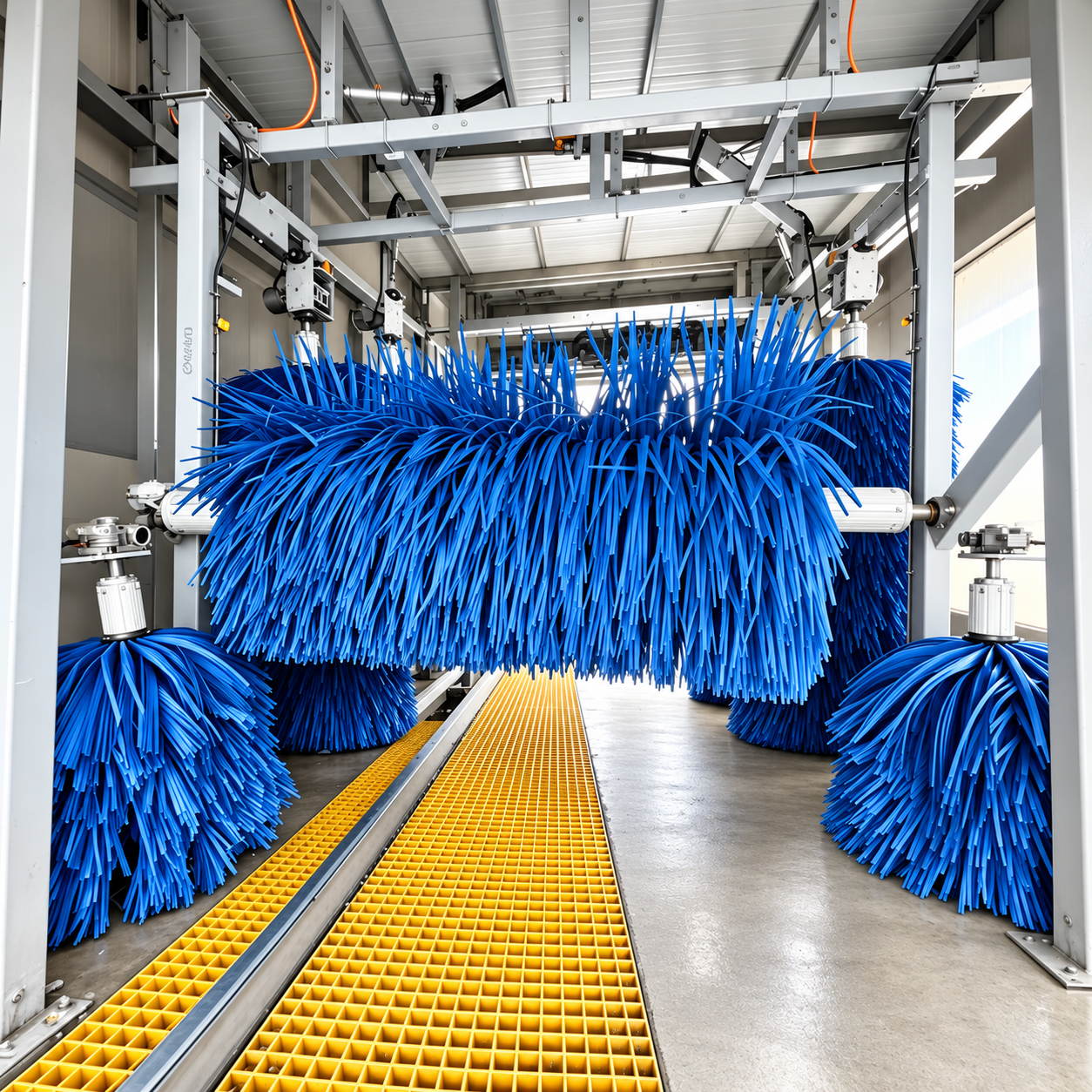
Horizontal-Swipe System
Customer Confidence
Drivers may avoid a wash if they believe it could leave scratches or marks.
Clear operating instructions and good equipment maintenance can help build trust.
Business Reputation
Customers often associate vehicle condition with service quality.
Even when a defect existed before washing, complaints can create difficult conversations.
Repeat Visits
A consistent wash experience may encourage repeat business.
Equipment Choice
The selected washing technology affects the kinds of cleaning contact, water pressure, and chemical exposure involved.
Operating Procedures
Equipment alone is not enough. Staff training, regular inspections, and suitable customer instructions also matter.
For these reasons, automatic car wash paint protection should be part of the purchasing decision from the beginning.
2. Understanding Vehicle Paint and Clear Coat
To understand car wash safety, it helps to know how automotive paint is constructed.
Many modern vehicles use a layered finish.
Primer
Primer helps prepare the surface for later paint layers.
Color Coat
The color layer gives the vehicle its visible color and appearance.
Clear Coat
On many finishes, a transparent top layer provides gloss and helps protect the color below.
However, not every vehicle has the same paint system.
Why Scratches Appear
Fine lines may become visible when dirt or other abrasive material moves across the surface.
Some scratches remain in the clear coat, while deeper damage can reach lower layers.
Different Finish Types
Glossy paint, matte paint, wraps, and certain specialty finishes may have different care requirements.
Therefore, a commercial wash operator should not assume that every vehicle can safely use the same program.
3. What Can Damage Vehicle Paint During Washing?
Paint damage is not caused by one single factor.
Several conditions may increase risk.
Abrasive Dirt
Sand, road grit, and hard particles can scratch a surface if they are rubbed against it.
Dirty Cleaning Materials
Brushes or cloths that retain abrasive particles may transfer them to other vehicles.
Excessive Pressure
Water jets operated too close to sensitive surfaces may damage finishes, trim, or vehicle components.
Unsuitable Chemicals
Strong or incompatible cleaning products may affect certain finishes or materials.
Incorrect Machine Adjustment
Poor positioning or mechanical faults can create unwanted contact.
Weak Maintenance
Worn parts, blocked nozzles, and faulty sensors may reduce wash quality.
Understanding these risks helps manufacturers design suitable controls and allows operators to maintain equipment responsibly.
4. How Automatic Car Wash Paint Protection Works
Automatic car wash paint protection is best understood as a complete cleaning process rather than one individual feature.
A well-designed wash may combine several stages.
First, a pre-rinse helps remove loose dirt.
Next, suitable cleaning chemicals loosen remaining contamination.
Then, the machine uses its intended washing method, such as controlled water jets or compatible contact materials.
Afterward, rinsing removes loosened dirt and chemical residue.
Finally, suitable drying equipment may reduce remaining surface water.
Sensors and control systems coordinate these stages.
However, the actual sequence depends on the machine model and selected wash program.
The most effective approach is to match the process to the vehicle, the operating environment, and the manufacturer’s technical instructions.
5. Pre-Rinsing: An Important First Step
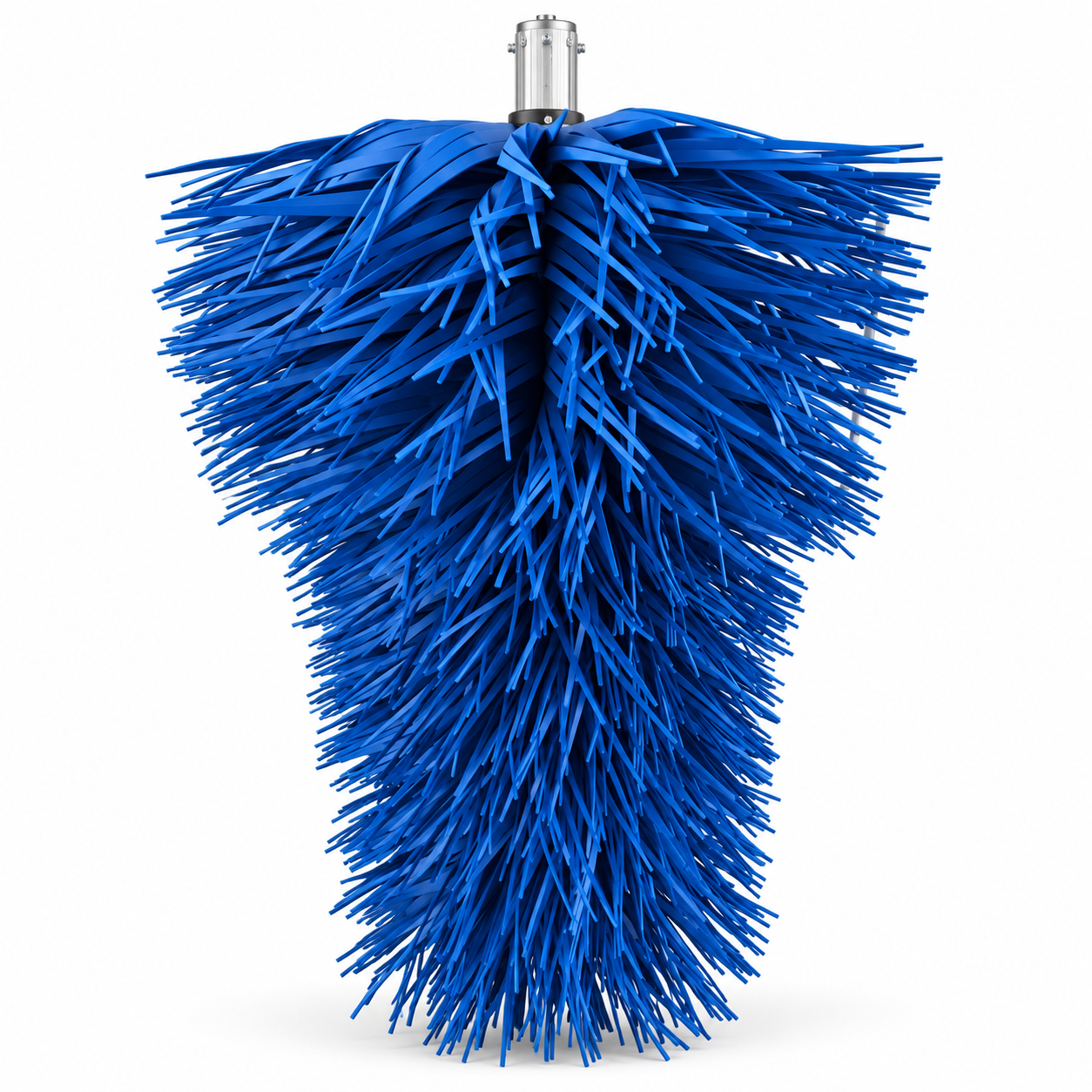
LiShua
Pre-rinsing can help remove loose material before the main cleaning stage.
This is particularly relevant for contact washing systems.
Loose Dirt Removal
Water can carry away some sand, dust, and road debris.
Lower Abrasion Risk
Removing loose grit before brush contact may reduce the chance of particles being dragged across the finish.
Better Chemical Coverage
A properly designed sequence can prepare the vehicle for later cleaning stages.
Nozzle Position
Water should reach the intended surfaces without being directed inappropriately toward vulnerable components.
Water Flow
The selected flow and pressure should match the machine’s design.
Operational Limits
Pre-rinsing cannot guarantee that all abrasive particles have been removed.
Therefore, it should be combined with suitable cleaning materials and regular equipment inspections.
6. Touchless Car Wash Technology and Paint Safety
Touchless washing uses water and cleaning chemicals without contact brushes touching the vehicle body.
This approach removes the direct brush-to-paint contact involved in soft-touch cleaning.
As a result, it can appeal to customers concerned about mechanical contact.
High-Pressure Cleaning
The system uses controlled water jets to loosen and remove dirt.
Chemical Cleaning
Suitable detergents help break down contamination.
Vehicle Coverage
Spray equipment should be positioned to clean the intended surfaces.
Rinsing
Rinse stages remove loosened dirt and remaining chemicals.
Important Limitations
Touchless washing is not automatically harmless.
High-pressure water, unsuitable chemicals, poor nozzle positioning, or vulnerable vehicle components can still create risks.
The operator must follow equipment requirements and relevant vehicle manufacturer guidance.
7. Soft-Touch Car Wash Technology and Paint Safety
Soft-touch systems use brushes or other cleaning materials that make contact with the vehicle.

Small brush
These systems can remove certain types of dirt through controlled mechanical cleaning.
However, the condition and cleanliness of contact materials are important.
Suitable Cleaning Media
Brush and cloth materials should be selected for the intended machine and cleaning process.
Proper Pre-Rinsing
Removing loose grit before contact may help reduce abrasion risk.
Controlled Movement
Brush movement should follow the designed operating sequence.
Correct Adjustment
Mechanical components must be adjusted according to the manufacturer’s instructions.
Routine Cleaning
Cleaning media should be inspected and maintained.
Vehicle Restrictions
Some finishes and accessories are not suitable for rotating-brush washing.
For example, certain vehicle manufacturers advise owners of matte-finish vehicles to avoid automatic washes with rotating brushes.
8. Touchless vs. Soft-Touch: Which Is Better for Paint?
There is no universal answer for every vehicle.
The two systems use different methods and involve different risks.
| Feature | Touchless System | Soft-Touch System |
|---|---|---|
| Brush contact | No contact brushes | Uses contact cleaning media |
| Main cleaning method | Water pressure and chemicals | Mechanical contact with washing solutions |
| Key paint concern | Pressure and chemical compatibility | Abrasive dirt and media condition |
| Pre-rinsing | Important | Especially important before contact |
| Cleaning performance | Depends on dirt and process | Depends on media, process, and maintenance |
| Vehicle restrictions | Manufacturer guidance still applies | Special finishes may restrict use |
| Maintenance focus | Nozzles, pumps, chemicals, sensors | Brushes, drives, chemicals, sensors |
A buyer should evaluate actual machine specifications, maintenance requirements, customer preferences, and vehicle restrictions.
Neither system should be advertised as completely scratch-proof.
9. The Role of Modern Brush Materials
Brush material affects how a contact wash interacts with vehicle surfaces.
However, the material name alone does not prove that a brush is safe for every finish.
Material Selection
Manufacturers may use various synthetic cleaning materials designed for car wash equipment.
Surface Condition
Cleaning media must remain free from harmful contamination.
Flexibility
The behavior of the media depends on its material, shape, and operating conditions.
Wear
Brushes may change as they age or become damaged.
Replacement
Components should be replaced according to relevant inspection and service criteria.
Testing
Commercial buyers should ask about the manufacturer’s validation methods and operating limitations.
The goal is controlled cleaning, not simply using the softest-sounding material in marketing descriptions.
10. How Sensors Help Reduce Unwanted Contact
Sensors can help automatic car wash systems identify vehicles and machine positions.

Tunnel Car Wash Machine
Their exact role depends on the equipment design.
Vehicle Detection
Sensors may identify when a vehicle enters the wash area.
Position Monitoring
The control system may use sensor signals to guide machine movement.
Height and Width Recognition
Some systems detect vehicle dimensions to support selected washing functions.
Movement Control
Position feedback may help equipment follow its intended path.
Fault Detection
The system may stop or report an error when certain conditions are detected.
Limitations
Sensors cannot identify every vulnerable accessory or damaged body component.
Therefore, customers still need to follow vehicle preparation instructions and any restrictions posted by the operator.
11. Intelligent Control Systems and Wash Programs
Many commercial automatic car washes use programmable controllers.
These systems coordinate pumps, motors, sensors, valves, and cleaning stages.
Consistent Sequences
Automatic programs help repeat the intended washing process.
Timing Control
The controller can manage when different components operate.
Equipment Coordination
The machine can coordinate water delivery with movement and cleaning functions.
Alarm Reporting
Certain faults may generate alarm messages.
Program Options
Different wash packages may include different cleaning and finishing stages.
Maintenance
Control systems require suitable testing and technical support.
A programmable controller can improve process consistency, but it does not replace proper mechanical design or preventive maintenance.
12. Water Pressure: Finding the Right Balance
Water pressure is important for removing dirt.
However, higher pressure is not always better.
Cleaning Force
Water jets must provide enough cleaning action for the intended process.
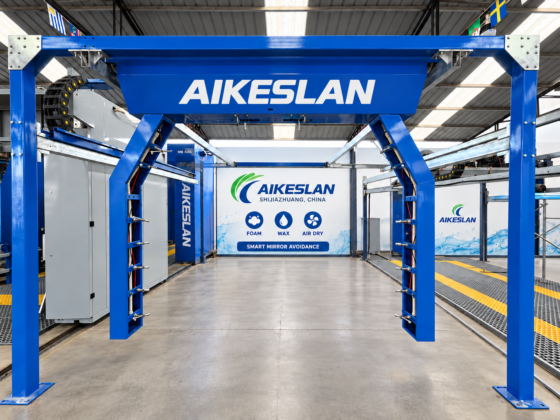
Touchless Car Wash Machine
Nozzle Distance
The distance between the nozzle and vehicle surface affects impact.
Spray Pattern
Different nozzles distribute water in different ways.
Sensitive Areas
Cameras, seals, trim, and certain exterior components may need special care.
Correct Settings
Equipment should operate within its approved specifications.
Vehicle Manufacturer Guidance
Some vehicle manuals warn against directing high-pressure water near sensitive parts.
Therefore, automatic car wash paint protection requires a suitable combination of pressure, distance, flow, and spray direction rather than maximum pressure alone.
13. The Importance of Nozzle Design
Nozzles control how water leaves the spray system.
Their design can affect cleaning coverage and local impact.
Spray Coverage
The selected pattern should reach the intended vehicle surfaces.
Flow Distribution
Nozzles distribute water according to their design.
Movement
Some systems move spray equipment around the vehicle.
Blockage Prevention
Blocked or worn nozzles can change spray behavior.
Routine Inspection
Operators should check nozzle condition and performance.
Replacement Compatibility
Replacement nozzles should match the manufacturer’s specification.
Using a nozzle with a different opening or spray pattern without approval may change system performance.
14. Why Car Wash Chemicals Matter
Cleaning chemistry influences both washing performance and material compatibility.
A suitable detergent helps loosen dirt without relying only on high mechanical force.
Product Selection
Use chemicals approved for the equipment and intended vehicle surfaces.
Concentration
Dosing systems should apply products within the specified range.
Dwell Time
The time a chemical remains on the surface affects the cleaning process.
Rinsing
Chemicals should be removed according to product instructions.
Material Compatibility
Paint, trim, seals, coatings, and decorative components may respond differently.
Staff Training
Operators should understand chemical handling and safety requirements.
No chemical should be described as universally safe for every vehicle finish.
15. Understanding pH and Cleaning Products
The pH of a cleaning product is one factor in its behavior.
However, pH alone does not determine whether the product is suitable.
Acidic Products
Some cleaning tasks use acidic formulations for specific contaminants.
Alkaline Products
Some detergents use alkaline chemistry to remove oily or other soils.
Neutral Products
A neutral formulation may be suitable for certain cleaning applications.
Complete Formula
Surfactants, solvents, concentration, contact time, and additives also matter.
Surface Restrictions
Special paints and protective coatings may have specific care instructions.
Manufacturer Approval
The chemical supplier and equipment manufacturer should confirm suitable products.
For commercial operations, the safest purchasing approach is to ask for clear chemical specifications and operating instructions.
16. How Water Quality Affects Paint Appearance
Water quality can influence the appearance of a vehicle after washing.
For example, dissolved minerals may leave visible deposits when water dries.
Hard Water
Hard water contains minerals that may contribute to spotting.
Sediment
Suspended particles can affect cleaning equipment and surface cleanliness.
Filtration
Filters may remove selected particles from the water supply.
Water Softening
Softening can help manage certain hardness-related problems.
Reverse Osmosis
Some operators use suitable treated water for final rinsing.
Maintenance
Treatment equipment requires periodic inspection and service.
Water quality should be assessed along with cleaning chemicals and the intended wash process.
A high-quality final rinse can improve appearance, but it does not prevent every possible water mark.
17. Rinse Stages and Residue Removal
Rinsing removes loosened dirt and remaining wash chemicals.
It is an important part of the complete cleaning process.
Dirt Removal
Water carries away contamination released by earlier stages.
Chemical Residue
Proper rinsing helps reduce product residue on vehicle surfaces.
Spray Coverage
The rinse should reach the intended areas.
Water Quality
Treated rinse water may help reduce certain mineral deposits.
Program Timing
The rinsing sequence should be sufficient for the selected cleaning process.
Inspection
Operators should review rinse performance when customers report spots or residue.
Effective rinsing depends on water supply, equipment condition, and the products used.
18. Dryer Systems and Vehicle Surface Care
Drying equipment can remove some remaining water after washing.
This may reduce the need for additional manual wiping.
Airflow
Blowers direct air across selected vehicle surfaces.
Outlet Position
The outlet layout affects drying coverage.
Vehicle Clearance
The equipment must maintain appropriate separation from the vehicle.
Control System
The drying stage should operate according to the approved sequence.
Maintenance
Blowers, motors, and supporting components require inspection.
Limitations
Air drying does not remove every water droplet under every condition.
Owners should evaluate dryer performance using realistic operating tests rather than claims of perfect results.
19. Are Car Wash Wax and Sealant Programs Safe?
Some machines offer wax or finishing stages.
These products may improve surface appearance or water behavior when used as intended.
However, they are not a substitute for proper washing.
Suitable Products
Finishing chemicals must be compatible with the equipment and vehicle surfaces.
Application
Dosing should follow the recommended operating range.
Rinse Compatibility
Certain finishing stages use a defined rinse process.
Coated Vehicles
Vehicles with specialist coatings may have product restrictions.
Matte Paint
Some matte finishes should not receive conventional wax products.
Customer Information
Operators should describe the finishing service accurately.
A wax stage cannot repair scratches or guarantee protection from future damage.
20. Special Considerations for Matte Paint
Matte paint requires particular attention.
Unlike many glossy finishes, matte surfaces can be difficult to correct without changing their appearance.
Rotating Brushes
Some automakers advise against automatic washes with rotating brushes for matte-finish vehicles.
Cleaning Products
Strong detergents and unsuitable waxes may be restricted.
Surface Preparation
Loose contamination should be removed using approved methods.
Drying
Follow the vehicle manufacturer’s recommendations.
Owner Instructions
Customers should check their vehicle manual before choosing a wash program.
Operator Policy
Commercial operators should consider clear signs about vehicle finishes that may not be suitable for their equipment.
A responsible car wash business should never promise that every finish is compatible with every washing program.
21. Ceramic Coatings, Paint Protection Film, and Wraps
Some customers use additional exterior protection products.
Examples include ceramic coatings, paint protection film, and vehicle wraps.
These products have different care requirements.
Ceramic Coatings
Coating suppliers may recommend particular wash chemicals or methods.
Paint Protection Film
Film edges, installation quality, and product instructions can affect washing suitability.
Vehicle Wraps
Wrap material and adhesive condition may place limits on pressure, heat, or chemical exposure.
Damaged Materials
Loose or deteriorated protective products can be more vulnerable during washing.
Manufacturer Instructions
Follow the vehicle and protection-product supplier’s care guidelines.
Commercial Policy
Operators should explain any restrictions or exclusions before customers enter the wash.
No automatic system should be described as universally safe for all wraps and coatings.
22. Vehicle Preparation Before Automatic Washing
Some damage risks can be reduced through suitable customer instructions.
These instructions should be easy to understand.
Close Windows
Windows and other openings must be secured.
Check Mirrors
Follow the wash operator’s directions and the vehicle manufacturer’s guidance.
Remove Loose Accessories
Certain roof-mounted or external accessories may not be suitable for the wash.
Secure Antennas
Some vehicles require antenna removal or adjustment.
Follow Vehicle Positioning Instructions
Drivers should follow the approved entry and stopping procedure.
Respect Restrictions
Vehicles with unsuitable height, width, modifications, or damaged components should not enter.
Clear instructions can improve both safety and customer confidence.
23. Brush Cleaning and Preventive Maintenance
Brush maintenance is a central responsibility for contact wash operators.
Even appropriate cleaning media can become problematic if contaminated or damaged.
Regular Inspection
Check for visible wear, damage, and foreign material.
Cleaning Procedures
Follow the manufacturer’s approved cleaning methods.
Replacement Intervals
Use condition-based and scheduled replacement guidance where appropriate.
Mechanical Adjustment
Inspect relevant supports, drives, and movement systems.
Water and Chemical Supply
Ensure the brush cleaning process receives the intended fluids.
Recordkeeping
Keep maintenance records and note recurring issues.
Automatic car wash paint protection depends on maintaining cleaning materials in the condition required for correct operation.
24. Maintaining Touchless Washing Equipment
Touchless equipment avoids contact brushes, but it still needs regular maintenance.
Pumps
Inspect operation and service requirements.
Nozzles
Check for wear, blockage, or incorrect spray patterns.
Hoses
Review visible damage and leakage.
Chemical Dosing
Confirm that chemical delivery follows the intended program.
Sensors
Verify the correct operation of relevant detection systems.
Control Alarms
Investigate recurring alarms or unusual behavior.
Because the cleaning process relies on water and chemistry, poorly maintained equipment may produce disappointing results or create unwanted risks.
25. Does Automatic Washing Cause Swirl Marks?
Swirl marks are fine surface lines that may become visible under direct light.
They can result from abrasive contact with the finish.
However, their presence does not establish which washing event caused them.
Potential Causes
Contaminated brushes, wiping materials, or other abrasive contact may contribute.
Existing Paint Condition
Some vehicles already have fine marks before entering a wash.
Lighting
Bright or directional light can make marks more visible.
Inspection
Operators should document visible conditions when investigating complaints.
Prevention
Proper pre-rinsing, clean contact media, and correct maintenance can help manage relevant risks.
Important Limitation
No operator should promise that a wash will eliminate existing swirl marks or guarantee that none will occur.
26. How to Handle Customer Paint Damage Complaints
A professional complaint process protects both the customer and business.
Listen Carefully
Record the customer’s description of the concern.
Document the Vehicle
Take photographs with the customer’s permission.
Review Wash Records
Check the operating program, date, time, and available equipment logs.
Inspect the Machine
Look for relevant faults, contamination, or unusual conditions.
Review Prior Condition
Where available, consider objective records of the vehicle’s condition before washing.
Avoid Immediate Conclusions
Damage may have several possible causes.
Follow an Agreed Process
Use the company’s documented review, insurance, and dispute procedures.
A respectful, evidence-based approach is more reliable than automatically accepting or rejecting every claim.
27. Why Paint Safety Matters for Gas Station Car Washes
Many gas stations use automatic washing to provide an extra customer service.
In this setting, a single wash problem can affect the wider retail experience.
Customer Trust
Drivers may associate the wash with the fuel station’s overall quality.
Unattended Operation
Clear instructions are important when no specialist employee is present.
Equipment Reliability
A fault may disrupt prepaid washes or customer promotions.
Maintenance
Station operators need a realistic inspection and service plan.
Vehicle Mix
Customers may arrive with different vehicle types and finishes.
Service Communication
Visible restrictions and customer guidance can reduce confusion.
For gas station owners, the right equipment combines practical washing performance with suitable safety controls and manageable maintenance.
28. Paint-Safe Washing for Commercial Operators
Dedicated car wash businesses may process many vehicles each day.
Therefore, process consistency matters.
Standard Operating Procedures
Staff should follow approved wash and maintenance instructions.
Daily Checks
A brief inspection can help identify visible problems.
Customer Feedback
Repeated complaints may indicate an issue worth investigating.
Chemical Control
Use compatible products at the correct concentration.
Parts Replacement
Maintain pumps, brushes, sensors, and mechanical components as required.
Quality Reviews
Periodically inspect wash results using a defined process.
Training
Operators should know when to stop the equipment and request technical support.
A stable maintenance program is more useful than relying only on marketing claims about paint-friendly technology.
29. Choosing Between Rollover and Tunnel Systems
The machine layout influences the washing process and maintenance needs.
Rollover Systems
A gantry or rollover machine typically operates around a stationary vehicle.
It may use touchless, contact, or combined washing methods.
Tunnel Systems
A tunnel moves vehicles through a series of wash stages.
It may include multiple cleaning and drying units.
Paint Safety
Neither layout is automatically safer for paint.
The cleaning method, machine setup, contamination control, and maintenance procedures matter more.
Business Requirements
Buyers should consider vehicle volume, available space, and service programs.
Installation
The machine must match the site’s electrical, water, drainage, and structural conditions.
The chosen system should meet both operational and vehicle-care needs.
30. What Features Should Buyers Request From Manufacturers?
International B2B buyers should request clear technical information.
A suitable supplier should explain how the machine controls its washing process.
Cleaning Method
Is the machine touchless, soft-touch, or hybrid?
Pre-Rinse Program
What steps remove loose contamination before main cleaning?
Pressure Control
How are water pressure and spray position managed?
Sensor System
Which vehicle and machine conditions are detected?
Chemical Compatibility
What cleaning products and dosing arrangements are recommended?
Cleaning Media
For contact systems, what materials are used and how are they maintained?
Safety Information
What warnings, limitations, and operator instructions apply?
Maintenance
What inspections and replacement parts are required?
Ask for specifications and operating documentation rather than accepting broad “scratch-free” claims.
31. Comparing Car Wash Manufacturers for Paint-Conscious Washing
A structured comparison can help buyers make more informed decisions.
| Evaluation Area | Questions to Ask |
|---|---|
| Cleaning technology | How does the machine remove dirt? |
| Pre-rinse | Is a suitable pre-cleaning stage available? |
| Brush system | What cleaning media are used? |
| Pressure | How are spray conditions controlled? |
| Sensors | How are vehicle position and machine motion monitored? |
| Chemicals | Which products are compatible? |
| Special finishes | What restrictions apply? |
| Maintenance | What daily and scheduled checks are required? |
| Documentation | Are technical manuals and instructions available? |
| Spare parts | How are replacement components supplied? |
| Warranty | What coverage and exclusions apply? |
| Technical support | Who handles faults and adjustments? |
The purpose is not to find the manufacturer with the strongest advertising language.
It is to select a machine with clear specifications and realistic operating requirements.
32. North American Buyer Considerations
Buyers in the United States and Canada should review vehicle compatibility, local installation needs, and practical after-sales support.
Vehicle Variety
The local market may include sedans, SUVs, pickup trucks, and other vehicle types.
Dimensions
Confirm acceptable vehicle height, width, and length.
Exterior Accessories
Establish clear restrictions for modified or accessorized vehicles.
Weather Conditions
Snow, salt, mud, and seasonal contamination may influence cleaning needs.
Water and Chemical Systems
Select equipment suited to the intended process and available utilities.
Maintenance Support
Check parts supply and technician availability.
Documentation
Request accurate manuals and suitable technical information.
A supplier should be able to describe its equipment’s capabilities and limitations without suggesting universal paint safety.
33. UK and EU Buyer Considerations
UK and EU customers may place strong emphasis on equipment documentation, operating safety, and environmental management.
Machine Suitability
Confirm the intended vehicle range and washing process.
Safety Controls
Ask for applicable safety information and technical documentation.
Chemical Handling
Cleaning products should be used according to applicable requirements.
Water Management
Review fresh-water demand, wastewater handling, and any relevant treatment needs.
Maintenance
Obtain the manufacturer’s inspection and service instructions.
Import Requirements
Buyers should verify the machinery requirements applicable to their product and market.
Service Arrangements
Confirm how spare parts and technical assistance will be provided.
Paint protection is a product-performance topic, while machinery safety and environmental compliance involve additional responsibilities.
Both should be assessed independently.
34. Can Paint-Conscious Washing Improve Business Performance?
Vehicle-care practices can affect commercial performance.
However, the financial result depends on customer demand and operating costs.
Customer Confidence
Clear explanations of the wash process may reduce uncertainty.
Consistency
Reliable equipment can support a predictable customer experience.
Complaint Management
Good inspection records may help resolve disputes.
Premium Services
Some customers may value suitable wash programs or finishing options.
Maintenance Expenses
Quality cleaning equipment still requires service and replacement parts.
Reputation
A business that responds responsibly to concerns may build long-term trust.
Return on Investment
Buyers should evaluate equipment cost, utilities, maintenance, throughput, and realistic sales assumptions.
There is no sound basis for guaranteeing increased revenue solely from a paint-protection claim.
35. Daily Paint-Safety Inspection Checklist
Operators can use a model-specific checklist before opening.
Check the Wash Area
Look for loose objects and unusual contamination.
Review Cleaning Media
For contact systems, inspect visible brush or cloth condition.
Check Nozzles
Look for blockages, leaks, and abnormal spray behavior.
Review Chemicals
Confirm that the approved products are available and properly connected.
Check Sensors
Investigate visible damage or system warnings.
Review Machine Movement
Observe the approved startup and inspection procedures.
Confirm Signs
Make sure customers can read vehicle restrictions and operating instructions.
Record Problems
Report faults before normal use.
Only trained and authorized personnel should perform relevant inspections or service work.
36. Frequently Asked Questions About Automatic Car Wash Paint Protection
Are automatic car washes safe for vehicle paint?
They can be suitable for many vehicles when the equipment is designed, operated, and maintained correctly. However, risk remains, and some vehicles or finishes have restrictions.
How do automatic car washes reduce paint scratches?
They may use pre-rinsing, controlled cleaning processes, suitable brush materials, correctly managed water pressure, and routine maintenance to reduce relevant risks.
Is a touchless car wash safer for paint?
Touchless washing avoids direct brush contact. However, water pressure, chemicals, and vehicle compatibility still require attention.
Can soft-touch car wash brushes scratch paint?
Yes, especially if abrasive particles are present or cleaning media are damaged. Proper maintenance and pre-rinsing can help reduce risk.
What is the importance of pre-rinsing?
Pre-rinsing helps remove loose dirt and grit before the main cleaning stage.
Does high-pressure water damage car paint?
Improper pressure, distance, or spray direction may damage vulnerable finishes or components. Always follow equipment and vehicle manufacturer guidance.
Are automatic car wash chemicals paint-safe?
Suitable products can be used on compatible finishes when applied as directed. No product should be assumed safe for every surface.
Can automatic car washes damage ceramic coatings?
The result depends on the coating, installation condition, cleaning products, and washing method. Follow the coating supplier’s instructions.
Can matte paint go through an automatic car wash?
Some vehicle manufacturers advise against rotating-brush washes for matte paint. Check the specific vehicle manual before washing.
Do automatic car washes cause swirl marks?
Abrasive contact can contribute to swirl marks. However, any specific marks require careful assessment because they may have existed before washing.
Does water quality affect paint?
Minerals and other water contaminants can affect wash appearance and spotting. Suitable filtration and final-rinse treatment may help.
Do dryer blowers damage paint?
A correctly designed air dryer uses airflow rather than wiping contact. However, its position, condition, and correct operation remain important.
How often should car wash brushes be replaced?
Replacement depends on the manufacturer’s instructions, cleaning media condition, operating volume, and inspection findings.
Which automatic car wash system should a gas station choose?
The decision should consider vehicle types, site dimensions, customer expectations, operating costs, maintenance, and the cleaning process.
What should a buyer ask about paint protection?
Request information about pre-rinsing, cleaning media, water pressure, chemical compatibility, sensor functions, maintenance procedures, and vehicle restrictions.
37. Request Automatic Car Wash Equipment Specifications
Choosing automatic car wash equipment requires a balance between cleaning performance, customer expectations, safety, and commercial value.
For buyers focused on vehicle appearance, the best starting point is to review the washing process in detail.
Tell the Manufacturer About Your Project
When requesting information, provide:
- Country and city of installation
- Type of business
- Preferred touchless or soft-touch technology
- Expected daily vehicle volume
- Common vehicle sizes
- Available wash bay dimensions
- Required wash programs
- Water supply and electrical information
- Local weather and road conditions
- Maintenance and service expectations
- Target project budget
Request Technical Information
Ask for the machine’s cleaning sequence, water-system specifications, brush materials where applicable, sensor functions, safety instructions, and maintenance requirements.
Also request available equipment options, warranty terms, spare-parts information, and a customized commercial quotation.
Compare Automatic Car Wash Systems | Request Technical Specifications | Get a Customized Equipment Quote
Conclusion: Paint Protection Depends on the Complete Wash Process
Automatic car wash paint protection is the result of several connected factors.
Pre-rinsing can remove loose contamination. Suitable cleaning materials and controlled washing processes help manage contact and cleaning force.
Water pressure, chemicals, sensors, and drying equipment also influence the final result.
However, equipment maintenance is essential.
Dirty brushes, faulty sensors, unsuitable detergents, or incorrect machine settings can undermine even a well-designed system.
In addition, not every vehicle is suitable for every wash.
Special finishes, protective films, modifications, and vulnerable accessories may require different care.
For gas station owners, car wash operators, and international equipment buyers, the best approach is to compare real technical specifications and practical service needs.
Choose equipment that matches your customers, site conditions, and long-term maintenance capacity.
A manufacturer should explain both the capabilities and the limits of its washing technology.
Planning a commercial automatic car wash project? Contact our team to compare washing technologies, review available equipment features, and discuss a suitable configuration for your business.
References and Further Reading
- Toyota Owners — Cleaning and Protecting the Vehicle Exterior. Covers automatic wash brushes, high-pressure washing, and precautions for vehicle components.
https://www.toyota.com/owners/warranty-owners-manuals/digital/article/venza-hv/2021/om48k18u/ch06se010401/ - Hyundai — Exterior Care, 2026 Owner’s Manual. Includes cautions about high-pressure washing, sensitive exterior components, and matte finishes.
https://ownersmanual.hyundai.com/full_webhelp/LX3/2026/en_US/id2d99da8e77d.html - 3M — Automotive Paint Finishing and Detailing. Explains automotive finish defects and professional surface-care processes.
https://www.3m.com.sg/3M/en_SG/collision-repair-sg/applications/paint-finishing-and-detail-shop/ - Google Search Central — Creating Helpful, Reliable, People-First Content.
https://developers.google.com/search/docs/fundamentals/creating-helpful-content
Disclaimer: This article provides general information about automatic car wash technology and vehicle surface care. No cleaning system can guarantee zero paint damage. Vehicle compatibility depends on its finish, condition, accessories, and the vehicle manufacturer’s instructions. Equipment features also vary by model and supplier. Confirm all technical and commercial claims before purchasing.